As a supplier of Cco Abrasion Pipe, I often encounter inquiries from customers about the suitability of our products for transporting solids. This blog post aims to delve into this topic comprehensively, providing scientific insights and practical considerations to help you make an informed decision.
Understanding Cco Abrasion Pipe
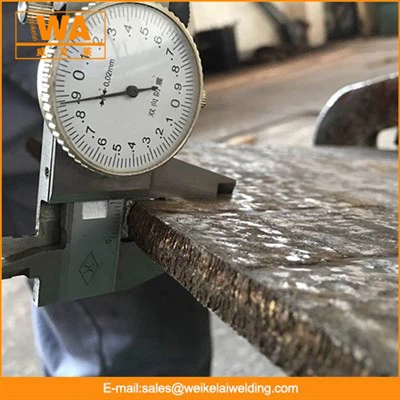
Before discussing its application in solid transportation, let's first understand what Cco Abrasion Pipe is. Cco Abrasion Pipe is a type of pipe designed to withstand high levels of abrasion. It is typically made through a hardfacing process, where a wear - resistant material is applied to the inner surface of the pipe. This hardfacing layer acts as a shield, protecting the base pipe from the erosive effects of the materials flowing through it.
The hardfacing material used in Cco Abrasion Pipe is carefully selected for its superior hardness and toughness. It can resist the impact and scratching forces exerted by solid particles during transportation, ensuring the longevity of the pipe. This makes Cco Abrasion Pipe a popular choice in industries where abrasion is a major concern.
The Feasibility of Using Cco Abrasion Pipe for Transporting Solids
1. Resistance to Abrasion
One of the primary reasons why Cco Abrasion Pipe is suitable for transporting solids is its excellent abrasion resistance. When solids are transported through a pipe, they constantly rub against the inner wall of the pipe. This friction can cause significant wear and tear over time, leading to pipe failure. However, the hardfacing layer in Cco Abrasion Pipe can withstand this abrasion, reducing the rate of wear and extending the service life of the pipe.
For example, in mining operations, where large amounts of ore and other solid materials are transported through pipes, Cco Abrasion Pipe can effectively resist the abrasion caused by the sharp edges of the ore particles. This not only reduces the need for frequent pipe replacements but also minimizes downtime and maintenance costs.
2. Impact Resistance
In addition to abrasion, solid particles can also cause impact damage to the pipe when they are flowing at high speeds or collide with the pipe wall. Cco Abrasion Pipe is designed to have good impact resistance. The hardfacing material has a certain degree of flexibility and toughness, which allows it to absorb the impact energy of the solid particles without cracking or breaking.
In a coal - handling system, coal particles are often transported at high velocities through pipes. The impact of these particles on the pipe wall can be quite significant. Cco Abrasion Pipe can withstand this impact, ensuring the integrity of the pipeline and preventing leaks.
3. Compatibility with Different Solids
Cco Abrasion Pipe is compatible with a wide range of solid materials. Whether it is granular materials like sand, gravel, or powder - like substances such as cement, Cco Abrasion Pipe can effectively transport them. The hardfacing layer can be customized according to the specific characteristics of the solid material, such as its hardness, particle size, and shape.
For instance, if the solid material has a high hardness, a harder hardfacing material can be used in the Cco Abrasion Pipe to ensure better abrasion resistance. On the other hand, if the solid material is sticky, a special coating can be applied to the hardfacing layer to prevent the material from adhering to the pipe wall.
Factors to Consider When Using Cco Abrasion Pipe for Solid Transportation
1. Flow Rate and Velocity
The flow rate and velocity of the solid - carrying fluid are important factors to consider. If the flow rate is too high, the solid particles may cause more severe abrasion and impact on the pipe wall. In this case, it is necessary to select a Cco Abrasion Pipe with a thicker hardfacing layer or a more wear - resistant hardfacing material.
Conversely, if the flow rate is too low, the solid particles may settle at the bottom of the pipe, causing blockages. Therefore, it is crucial to optimize the flow rate and velocity according to the characteristics of the solid material and the pipe diameter.
2. Pipe Bends and Fittings
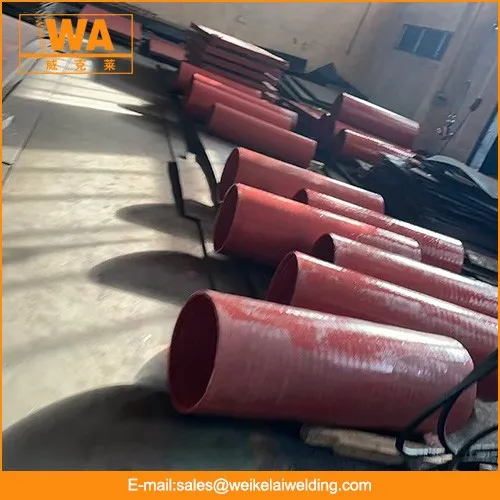
Pipe bends and fittings are areas where the flow of solid particles changes direction, which can increase the abrasion and impact on the pipe. Special attention should be paid to these areas when using Cco Abrasion Pipe for solid transportation. Reinforced hardfacing can be applied to the inner surface of the bends and fittings to enhance their wear resistance.
For example, in a pneumatic conveying system with multiple bends, the Cco Abrasion Pipe at the bends should be carefully designed to withstand the increased abrasion caused by the change in the flow direction of the solid particles.

3. Chemical Compatibility
Some solid materials may contain chemicals that can react with the pipe material. It is essential to ensure the chemical compatibility between the Cco Abrasion Pipe and the solid material. The hardfacing material should be resistant to corrosion and chemical attack to prevent the degradation of the pipe.
In a chemical plant where solid chemical products are transported, the Cco Abrasion Pipe should be made of a material that is chemically inert to the specific chemicals involved to avoid any chemical reactions that could damage the pipe.
Comparison with Other Types of Pipes
1. Comparison with Wear Resistant Straight Pipe
Wear Resistant Straight Pipe is another type of pipe commonly used for transporting solids. While both Cco Abrasion Pipe and Wear Resistant Straight Pipe have good abrasion resistance, Cco Abrasion Pipe has some advantages. The hardfacing process in Cco Abrasion Pipe allows for more precise control of the wear - resistant layer, which can be customized according to different requirements. In contrast, Wear Resistant Straight Pipe may have a more uniform but less customizable wear - resistant structure.
2. Comparison with Hardfacing Abrasion Pipe
Hardfacing Abrasion Pipe is similar to Cco Abrasion Pipe in that they both use hardfacing technology. However, Cco Abrasion Pipe may have unique features in terms of the composition of the hardfacing material and the manufacturing process. Depending on the specific application, Cco Abrasion Pipe may offer better performance in terms of abrasion resistance, impact resistance, or chemical compatibility.
Conclusion
In conclusion, Cco Abrasion Pipe is a viable option for transporting solids. Its excellent abrasion resistance, impact resistance, and compatibility with different solid materials make it suitable for a wide range of applications in industries such as mining, coal handling, and chemical processing. However, several factors such as flow rate, pipe bends, and chemical compatibility need to be carefully considered to ensure the optimal performance of the pipe.
If you are interested in our Cco Abrasion Pipe products or have any questions about using them for solid transportation, we welcome you to contact us for further discussion and procurement negotiation. Our team of experts will be happy to assist you in finding the most suitable solution for your specific needs.
References
- "Handbook of Abrasion and Erosion" by Peter R. Munroe
- "Piping Design for Solid - Liquid Slurry Transport" by N. P. Cheremisinoff