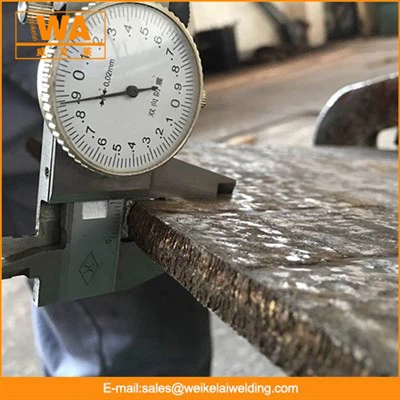
Transporting metallic wear liners safely is crucial for both suppliers like us and our customers. Metallic wear liners are widely used in various industries, such as mining, cement, and power generation, to protect equipment from abrasion, impact, and corrosion. As a supplier of high - quality metallic wear liners, we understand the importance of ensuring that these products reach our customers in perfect condition. In this blog, we will share some key strategies and best practices for the safe transportation of metallic wear liners.
Pre - transport Preparation
Inspection and Quality Check
Before transportation, a thorough inspection of the metallic wear liners is essential. We conduct a comprehensive quality check to ensure that each liner meets our strict standards. This includes checking for any surface defects, cracks, or dimensional inaccuracies. Any liners that do not pass the inspection are either repaired or removed from the shipment. This step not only guarantees the quality of the product but also helps to prevent potential damage during transit.
Packaging Design
Proper packaging is the first line of defense in protecting metallic wear liners during transportation. We use high - quality packaging materials that are specifically designed to withstand the rigors of shipping. For smaller liners, we often use wooden crates or cardboard boxes with internal padding, such as foam or rubber, to absorb shocks and vibrations. Larger liners may be wrapped in protective plastic sheets and secured with steel bands to prevent movement.
In addition to shock absorption, the packaging also needs to protect the liners from environmental factors, such as moisture and dust. We use moisture - resistant materials and seal the packages properly to prevent water ingress. For long - distance or overseas shipments, we may also add desiccants to the packages to control humidity.
Loading and Securing
Loading Equipment
When loading metallic wear liners onto transport vehicles, the right equipment is crucial. We use forklifts, cranes, or other appropriate lifting devices to handle the liners carefully. These equipment are regularly maintained to ensure their safety and reliability. Operators are trained to use the equipment correctly, minimizing the risk of accidental drops or impacts.


Securing the Load
Once the liners are loaded onto the vehicle, they must be properly secured to prevent shifting during transit. We use straps, chains, and other fastening devices to hold the liners in place. The securing points are carefully selected to distribute the load evenly and prevent excessive stress on the liners. For stacked liners, we use spacers or blocking materials to keep them separated and stable.
In addition, we also consider the weight distribution of the load on the vehicle. An unevenly distributed load can cause instability and increase the risk of accidents. We calculate the weight of each liner and plan the loading layout accordingly to ensure that the vehicle's center of gravity remains within safe limits.
Mode of Transportation Selection
Road Transport
Road transport is a common choice for transporting metallic wear liners, especially for short - to medium - distance deliveries. Trucks offer flexibility in terms of delivery locations and schedules. However, road conditions can vary greatly, and factors such as potholes, speed bumps, and sharp turns can pose risks to the liners.
When choosing a road transport provider, we look for companies with a good safety record and experienced drivers. We also ensure that the trucks are equipped with proper suspension systems to reduce vibrations. Additionally, we monitor the progress of the shipment and stay in touch with the driver to address any potential issues promptly.
Rail Transport
For long - distance domestic shipments, rail transport can be a cost - effective and reliable option. Trains are generally more stable than trucks and can handle large volumes of cargo. However, loading and unloading operations at rail terminals require careful planning and coordination.
We work closely with rail operators to ensure that the liners are loaded and unloaded safely. Special attention is paid to the handling equipment at the terminals and the compatibility of the packaging with the railcars. We also consider the transit time and the potential for delays when choosing rail transport.
Sea Transport
For international shipments, sea transport is often the preferred mode. Shipping containers provide a high level of protection for the metallic wear liners. However, sea voyages can be subject to rough weather conditions, which can cause significant movement and stress on the cargo.
We select shipping lines with a good reputation for safety and reliability. The containers are properly secured on the ship to prevent them from shifting during the journey. We also consider the route and the expected weather conditions during the transit. For example, if a shipment is passing through an area prone to storms, we may take additional precautions, such as adding extra securing devices to the containers.
Monitoring and Tracking
Real - time Monitoring
We use advanced tracking and monitoring systems to keep an eye on the location and condition of the metallic wear liners during transportation. GPS technology allows us to track the movement of the transport vehicle or container in real - time. This helps us to provide accurate delivery estimates to our customers and to respond quickly in case of any unexpected delays or deviations from the planned route.
In addition to location tracking, we also monitor other environmental parameters, such as temperature, humidity, and shock levels. Sensors installed in the packaging or on the transport vehicle can send real - time data to our monitoring center. If any abnormal conditions are detected, we can take immediate action to protect the liners.
Communication with Customers
Throughout the transportation process, we maintain open communication with our customers. We provide them with regular updates on the status of their shipments, including the estimated time of arrival and any potential issues. This transparency builds trust and allows our customers to plan their operations accordingly.
Handling at Destination
Unloading Procedures
Upon arrival at the destination, the metallic wear liners need to be unloaded carefully. The same safety precautions used during loading should be followed during unloading. We ensure that the unloading equipment is in good condition and that the operators are trained to handle the liners safely.
Final Inspection
After unloading, a final inspection of the liners is carried out. This is to confirm that the liners have arrived in the same condition as they were shipped. Any damage or discrepancies are documented and reported immediately. We work closely with our customers to resolve any issues and ensure their satisfaction.
Conclusion
Transporting metallic wear liners safely requires a comprehensive approach that encompasses pre - transport preparation, proper loading and securing, appropriate mode of transportation selection, monitoring and tracking, and careful handling at the destination. As a leading supplier of Conveyor Wear Liners, Wear Protection Linings, and Chute Wear Liners, we are committed to providing our customers with high - quality products and ensuring their safe delivery.
If you are in need of metallic wear liners or have any questions about our transportation services, please feel free to contact us for a consultation. We look forward to working with you to meet your wear protection needs.
References
- ASTM International. (20XX). Standard practices for packaging and shipping of industrial products.
- Transportation Safety Administration. (20XX). Guidelines for the safe transport of heavy and bulky goods.
- International Maritime Organization. (20XX). Safety regulations for sea transport of cargo.