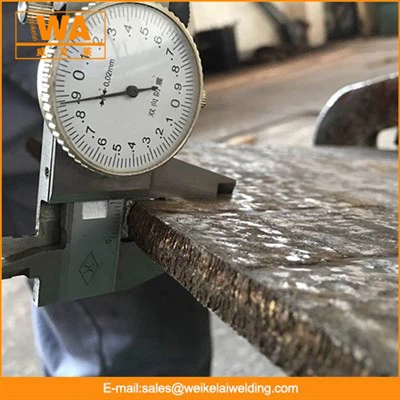
Dynamic wear resistance is a crucial property when it comes to wear steel plates. As a supplier of wear steel plates, I have witnessed firsthand the significance of understanding this characteristic in various industrial applications. In this blog, we will delve into what dynamic wear resistance is, why it matters, and how it impacts the performance of wear steel plates.
Understanding Dynamic Wear Resistance
Dynamic wear resistance refers to the ability of a material, in this case, a wear steel plate, to withstand wear and tear under dynamic or moving conditions. Unlike static wear, which occurs when a material is in contact with another surface without relative motion, dynamic wear involves continuous movement, friction, and impact. This can include scenarios such as abrasion from sliding objects, erosion from flowing particles, or impact from falling materials.
The dynamic wear process is complex and involves multiple factors. One of the primary mechanisms is abrasion, which occurs when hard particles or rough surfaces slide or roll across the steel plate. This can lead to the removal of material from the surface, resulting in wear and a reduction in the plate's thickness over time. Another important mechanism is impact wear, which happens when a solid object strikes the steel plate with a certain force. Impact wear can cause surface deformation, cracking, and even fragmentation of the plate.
Factors Affecting Dynamic Wear Resistance
Several factors influence the dynamic wear resistance of wear steel plates. One of the most significant factors is the hardness of the steel. Hardness is a measure of a material's resistance to indentation or scratching. Generally, the higher the hardness of the wear steel plate, the better its resistance to abrasion. This is because harder materials are less likely to be deformed or worn away by hard particles or rough surfaces.
However, hardness is not the only factor to consider. The microstructure of the steel also plays a crucial role. A fine-grained microstructure with a uniform distribution of carbides and other hard phases can enhance the wear resistance of the steel plate. Carbides are extremely hard particles that can act as barriers to abrasion, preventing the penetration of wear particles into the steel matrix.
The chemical composition of the steel is another important factor. Alloying elements such as chromium, molybdenum, and nickel can improve the wear resistance of the steel by increasing its hardness, toughness, and corrosion resistance. For example, chromium forms chromium carbides, which are very hard and can significantly enhance the abrasion resistance of the steel.
The design and surface finish of the wear steel plate can also impact its dynamic wear resistance. A smooth surface finish can reduce friction and wear, while a well-designed plate shape can minimize stress concentrations and improve the distribution of impact forces.
Measuring Dynamic Wear Resistance
There are several methods for measuring the dynamic wear resistance of wear steel plates. One common method is the abrasive wear test, which involves rubbing the steel plate against an abrasive material under a specified load and speed. The amount of material removed from the plate is then measured, and the wear rate is calculated.
Another method is the impact wear test, which simulates the impact of solid objects on the steel plate. In this test, a striker is dropped onto the plate from a certain height, and the damage to the plate is evaluated. The number of impacts required to cause a certain level of damage can be used as an indicator of the plate's impact wear resistance.
Importance of Dynamic Wear Resistance in Industrial Applications
Dynamic wear resistance is of utmost importance in many industrial applications. In the mining industry, for example, wear steel plates are used in conveyor systems, crushers, and screens to withstand the abrasive action of rocks and minerals. A high dynamic wear resistance ensures that these components have a long service life, reducing downtime and maintenance costs.
In the construction industry, wear steel plates are used in earthmoving equipment, such as bulldozers and excavators. These machines are exposed to harsh working conditions, including abrasive soils and rocks. A wear steel plate with good dynamic wear resistance can protect the equipment from excessive wear and damage, improving its performance and reliability.
In the manufacturing industry, wear steel plates are used in machinery and equipment that process or handle abrasive materials, such as grain, cement, and metal powders. By using wear-resistant steel plates, manufacturers can reduce the frequency of component replacement and improve the efficiency of their production processes.


Our Wear Steel Plate Products
As a supplier of wear steel plates, we offer a wide range of products with excellent dynamic wear resistance. Our Wear Resistant Steel Plate is specifically designed to withstand the most demanding wear conditions. It is made from high-quality steel with a carefully controlled chemical composition and microstructure, ensuring optimal hardness and wear resistance.
Our Cladding Steel Plate is another popular product. It consists of a base plate and a wear-resistant cladding layer, which provides enhanced wear protection. The cladding layer can be customized to meet the specific requirements of different applications, offering superior performance in abrasive and impact environments.
We also offer Wear Resistant Steel in various forms, including sheets, bars, and tubes. Our wear-resistant steel products are widely used in industries such as mining, construction, and manufacturing, providing reliable solutions for wear protection.
Conclusion
Dynamic wear resistance is a critical property of wear steel plates, influencing their performance and service life in various industrial applications. By understanding the factors that affect dynamic wear resistance and choosing the right wear steel plate for the specific application, industries can improve the efficiency and reliability of their equipment, reduce maintenance costs, and increase productivity.
If you are looking for high-quality wear steel plates with excellent dynamic wear resistance, please do not hesitate to contact us. We are committed to providing our customers with the best products and services, and we would be glad to discuss your specific requirements and offer customized solutions.
References
- ASTM International. (20XX). Standard test methods for wear testing.
- ASM Handbook Committee. (20XX). ASM Handbook, Volume 8: Friction, Lubrication, and Wear Technology. ASM International.
- Callister, W. D., & Rethwisch, D. G. (20XX). Materials Science and Engineering: An Introduction. Wiley.