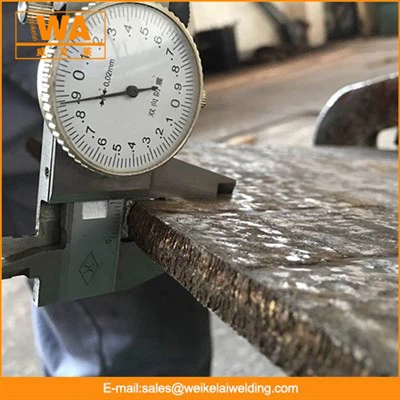
As a supplier of Bimetal Wear Plate, I often receive inquiries about the potential applications of our products. One question that has recently piqued my interest is whether bimetal wear plates can be used in dental equipment manufacturing. In this blog post, I will explore this topic in detail, examining the properties of bimetal wear plates, the requirements of dental equipment, and the feasibility of using bimetal wear plates in this field.
Understanding Bimetal Wear Plates
Bimetal wear plates are composite materials made by fusing two different metals together. Typically, one metal provides high wear resistance, while the other offers good toughness and ductility. This combination allows bimetal wear plates to withstand severe abrasion, impact, and corrosion, making them ideal for applications in industries such as mining, construction, and manufacturing.
The wear-resistant layer of bimetal wear plates is usually made of high-chromium alloy, which has excellent hardness and wear resistance. The base layer, on the other hand, is typically made of mild steel or low-alloy steel, which provides good toughness and weldability. The two layers are bonded together through a special process, ensuring a strong and durable connection.
Requirements of Dental Equipment
Dental equipment is designed to perform a variety of tasks, including cutting, grinding, polishing, and drilling teeth. As such, it must meet several strict requirements to ensure safe and effective use. Some of the key requirements of dental equipment include:
- Biocompatibility: Dental equipment comes into direct contact with the human body, so it must be made of materials that are non-toxic, non-allergenic, and resistant to corrosion.
- Precision and Accuracy: Dental procedures require high precision and accuracy, so dental equipment must be able to perform tasks with minimal error.
- Wear Resistance: Dental equipment is subjected to constant wear and tear during use, so it must be made of materials that can withstand abrasion and erosion.
- Sterilizability: Dental equipment must be able to be sterilized to prevent the spread of infection.
Feasibility of Using Bimetal Wear Plates in Dental Equipment Manufacturing
Based on the properties of bimetal wear plates and the requirements of dental equipment, it is possible to use bimetal wear plates in dental equipment manufacturing. However, several factors need to be considered before making a decision.
Biocompatibility
One of the primary concerns when using bimetal wear plates in dental equipment is biocompatibility. While high-chromium alloys are generally considered to be biocompatible, it is important to ensure that the specific alloy used in the bimetal wear plate meets the strict biocompatibility requirements of the dental industry. This may require additional testing and certification to ensure that the material is safe for use in the human body.
Precision and Accuracy
Dental equipment requires high precision and accuracy, which may be challenging to achieve with bimetal wear plates. The manufacturing process of bimetal wear plates may introduce some variability in the thickness and hardness of the wear-resistant layer, which could affect the precision and accuracy of the dental equipment. Therefore, it is important to ensure that the manufacturing process is carefully controlled to minimize any potential variability.
Wear Resistance
Bimetal wear plates are known for their excellent wear resistance, which makes them a promising candidate for use in dental equipment. However, the specific wear conditions in dental applications may be different from those in other industries, so it is important to conduct wear testing to ensure that the bimetal wear plate can withstand the specific wear mechanisms encountered in dental procedures.
Sterilizability
Dental equipment must be able to be sterilized to prevent the spread of infection. Bimetal wear plates can be sterilized using standard sterilization methods, such as autoclaving and chemical sterilization. However, it is important to ensure that the sterilization process does not affect the properties of the bimetal wear plate, such as its hardness and wear resistance.


Potential Applications of Bimetal Wear Plates in Dental Equipment Manufacturing
If the above factors can be successfully addressed, bimetal wear plates could have several potential applications in dental equipment manufacturing. Some of the possible applications include:
- Cutting and Grinding Tools: Bimetal wear plates could be used to make cutting and grinding tools, such as dental burs and drills. The high wear resistance of the bimetal wear plate would allow the tools to maintain their sharpness and cutting performance for longer periods of time, reducing the need for frequent tool replacement.
- Polishing and Finishing Tools: Bimetal wear plates could also be used to make polishing and finishing tools, such as dental polishers and buffers. The smooth surface of the bimetal wear plate would allow for a high-quality finish on the teeth, while the wear resistance would ensure that the tool lasts longer.
- Dental Implants: Bimetal wear plates could potentially be used in the manufacturing of dental implants. The wear-resistant layer of the bimetal wear plate could provide additional protection against wear and corrosion, while the base layer could provide good mechanical properties and biocompatibility.
Conclusion
In conclusion, while it is possible to use bimetal wear plates in dental equipment manufacturing, several factors need to be carefully considered before making a decision. Biocompatibility, precision and accuracy, wear resistance, and sterilizability are all important factors that need to be addressed to ensure the safe and effective use of bimetal wear plates in dental applications. If these factors can be successfully addressed, bimetal wear plates could have several potential applications in dental equipment manufacturing, offering improved performance and durability.
If you are interested in exploring the potential use of bimetal wear plates in your dental equipment manufacturing process, I encourage you to contact me for more information. I would be happy to discuss your specific requirements and provide you with samples and technical data to help you make an informed decision.
References
- ASTM International. (2023). Standard Specification for Wrought Stainless Steel Bars, Billets, and Forgings. ASTM A276/A276M - 23.
- ISO 10993. (2021). Biological evaluation of medical devices - Part 1: Evaluation and testing within a risk management process.