Can alloy steel plates be used in the automotive industry? You bet they can! As a supplier of Alloy Steel Plates, I've seen firsthand how these versatile materials are revolutionizing the automotive world. In this blog, I'll dive into the ins and outs of using alloy steel plates in cars, trucks, and everything in between.
Let's start with the basics. Alloy steel plates are made by combining iron with other elements like chromium, nickel, and manganese. This creates a material that's stronger, more durable, and more resistant to wear and tear than regular steel. These properties make alloy steel plates ideal for a wide range of automotive applications.


One of the most common uses of alloy steel plates in the automotive industry is in the manufacturing of engine components. Engines are the heart of any vehicle, and they need to be tough and reliable. Alloy steel plates are used to make parts like crankshafts, camshafts, and connecting rods. These components need to withstand high temperatures, pressures, and stresses, and alloy steel plates are up to the task. Their high strength and resistance to fatigue ensure that engines can run smoothly and efficiently for thousands of miles.
Another area where alloy steel plates shine is in the construction of vehicle frames. The frame is the backbone of a vehicle, providing structural support and protecting passengers in the event of a collision. Alloy steel plates are used to make frames that are both lightweight and strong. This not only improves fuel efficiency but also enhances safety. A strong frame can absorb and distribute the force of an impact, reducing the risk of injury to passengers.
Alloy steel plates are also used in the production of suspension systems. Suspension systems are responsible for providing a smooth ride and keeping the wheels in contact with the road. Alloy steel plates are used to make parts like springs, shock absorbers, and control arms. These components need to be able to withstand the constant jolts and vibrations of the road, and alloy steel plates offer the durability and flexibility needed to do the job.
In addition to these applications, alloy steel plates are also used in the manufacturing of brake systems, transmissions, and other critical components. Their high strength, wear resistance, and corrosion resistance make them an ideal choice for these demanding applications.
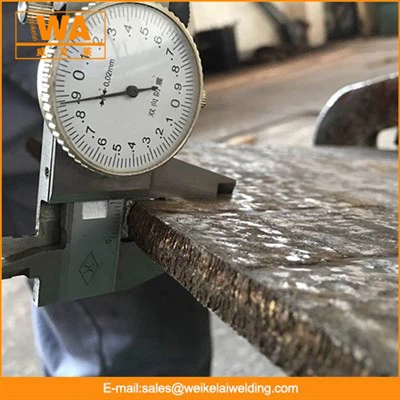
Now, let's talk about some of the specific types of alloy steel plates that are commonly used in the automotive industry. One of the most popular types is Bimetal Wear Plate. Bimetal wear plates are made by bonding two different types of steel together. The outer layer is made of a hard, wear-resistant alloy, while the inner layer is made of a softer, more ductile steel. This combination provides excellent wear resistance and toughness, making bimetal wear plates ideal for use in applications where parts are subject to high levels of abrasion, such as in mining and construction vehicles.
Another type of alloy steel plate that's commonly used in the automotive industry is Wear Resistant Alloys. Wear resistant alloys are designed to resist wear and tear caused by friction, abrasion, and corrosion. These alloys are often used in the manufacturing of engine components, brake systems, and other parts that are subject to high levels of stress and wear.
Hardfacing Wear Plate is another option for automotive applications. Hardfacing is a process of applying a hard, wear-resistant layer to the surface of a metal part. Hardfacing wear plates are used to protect parts from wear and tear, extending their lifespan and reducing maintenance costs.
So, as you can see, alloy steel plates have a wide range of applications in the automotive industry. They offer a number of advantages over other materials, including high strength, durability, wear resistance, and corrosion resistance. Whether you're looking to improve the performance of your vehicle or reduce maintenance costs, alloy steel plates are a great choice.
If you're in the market for alloy steel plates for your automotive applications, I'd love to hear from you. As a supplier of Alloy Steel Plates, I have the expertise and experience to help you find the right product for your needs. We offer a wide range of alloy steel plates in different sizes, grades, and specifications, and we can also provide custom solutions to meet your specific requirements.
Contact us today to learn more about our products and services. We'd be happy to answer any questions you may have and help you find the perfect alloy steel plates for your automotive applications.
References:
- "Automotive Materials Handbook" by ASM International
- "The Science of Steel" by John D. Verhoeven
- "Alloy Steel: Structure and Properties" by George Krauss