As a seasoned supplier of Cco Abrasion Pipe, I am often asked about the various specifications available in the market. In this blog post, I will delve into the details of the specifications of Cco Abrasion Pipe, providing you with comprehensive information to help you make an informed decision for your projects.
Pipe Diameter
One of the primary specifications of Cco Abrasion Pipe is its diameter. The diameter of the pipe can vary significantly depending on the application requirements. For industrial applications such as mining, power generation, and cement production, larger diameter pipes are often required to handle high volumes of abrasive materials. Common diameters range from 2 inches to 36 inches, although custom sizes can also be manufactured to meet specific project needs.
For example, in a coal-fired power plant, large diameter Cco Abrasion Pipe may be used to transport coal ash and other abrasive by-products from the boiler to the storage facilities. On the other hand, smaller diameter pipes may be used in pneumatic conveying systems for the transportation of fine powders and granules.
Wall Thickness
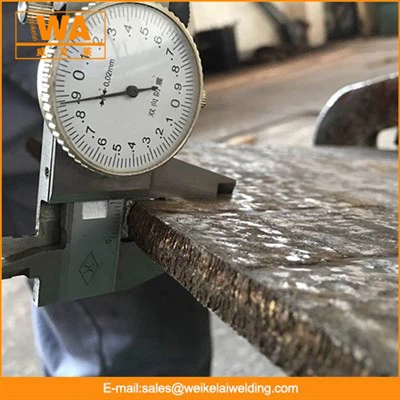
The wall thickness of Cco Abrasion Pipe is another crucial specification that directly affects its durability and performance. The wall thickness is determined by factors such as the type of abrasive material being transported, the flow velocity, and the operating pressure. Thicker walls provide greater resistance to abrasion and erosion, ensuring a longer service life for the pipe.
Typically, the wall thickness of Cco Abrasion Pipe ranges from 3mm to 20mm. In high-abrasion applications, such as the transportation of crushed ore in a mining operation, pipes with thicker walls are preferred to withstand the constant impact and wear. Conversely, in applications where the abrasive material is less severe, thinner walls may be sufficient, reducing the overall cost of the piping system.
Material Composition
The material composition of Cco Abrasion Pipe plays a vital role in its abrasion resistance and mechanical properties. These pipes are typically made from high-quality steel alloys that are specifically designed to withstand the harsh conditions of abrasive environments. The addition of alloying elements such as chromium, nickel, and molybdenum enhances the pipe's hardness, toughness, and corrosion resistance.
One common type of material used in Cco Abrasion Pipe is high-chromium white cast iron. This material offers excellent abrasion resistance due to the presence of hard carbide particles in its microstructure. Another popular option is alloy steel, which provides a good balance between abrasion resistance and toughness.
Pipe Length
The length of Cco Abrasion Pipe can also vary depending on the project requirements and transportation limitations. Standard pipe lengths typically range from 6 meters to 12 meters, although longer lengths can be manufactured upon request. Longer pipes reduce the number of joints in the piping system, minimizing the risk of leakage and improving overall efficiency.
In some cases, custom lengths may be required to fit specific installation configurations. For example, in a tight space where a shorter pipe length is needed to make a turn, our manufacturing capabilities allow us to produce pipes of the exact length required.
End Connections
The end connections of Cco Abrasion Pipe are important for ensuring a secure and leak-free installation. Common end connections include flanged ends, threaded ends, and welded ends. Flanged ends are widely used in industrial applications as they provide a convenient and reliable way to connect pipes to other components such as valves, pumps, and fittings.
Threaded ends are suitable for smaller diameter pipes and are often used in low-pressure applications. Welded ends offer a strong and permanent connection, making them ideal for high-pressure and high-abrasion environments.
Special Features and Configurations
In addition to the standard specifications, Cco Abrasion Pipe can be customized with special features and configurations to meet specific application needs. For example, Hardfacing Abrasion Elbows are available for applications where the pipe needs to make a turn. These elbows are designed with a hardfacing layer on the inner surface to provide enhanced abrasion resistance at the point of maximum wear.


Wear Resistant Pipe can also be lined with various materials such as ceramic or rubber to further improve its abrasion resistance. This is particularly useful in applications where the abrasive material is extremely harsh, such as in the mining of hard rock.
Bent Cladding Pipe is another option for applications that require pipes to be bent or curved. The cladding layer on the outer surface of the pipe provides additional protection against abrasion and corrosion.
Conclusion
In conclusion, Cco Abrasion Pipe comes in a wide range of specifications to meet the diverse needs of different industries. When selecting the right pipe for your project, it is important to consider factors such as pipe diameter, wall thickness, material composition, pipe length, end connections, and any special features or configurations that may be required.
As a trusted supplier of Cco Abrasion Pipe, we have the expertise and capabilities to provide you with high-quality pipes that are tailored to your specific requirements. Our commitment to quality and customer satisfaction ensures that you will receive the best products and services for your projects.
If you are interested in learning more about our Cco Abrasion Pipe or would like to discuss your specific needs, please feel free to contact us. We look forward to working with you and helping you find the perfect piping solution for your application.
References
- "Abrasion Resistance of Metals and Alloys" - ASM International
- "Handbook of Abrasive Wear" - Elsevier