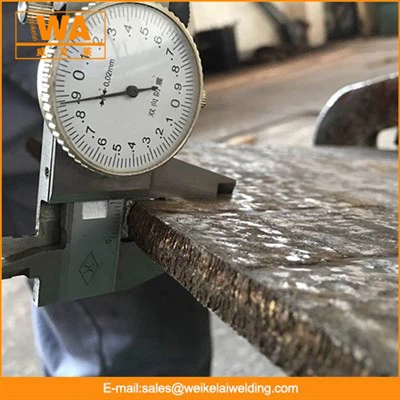
As a seasoned supplier of alloy steel plates, I've been frequently asked about the tolerance for the width of these plates. This topic is not only crucial for manufacturers and end - users but also a key factor in ensuring the quality and functionality of various applications. In this blog, I'll delve into the details of the width tolerance of alloy steel plates, discussing its importance, influencing factors, and industry standards.
Importance of Width Tolerance
The width tolerance of alloy steel plates plays a significant role in different industries. For construction projects, precise width is essential to ensure proper fit and alignment of structural components. A plate with a width outside the acceptable tolerance range may lead to gaps or overlaps, compromising the integrity of the entire structure. In the manufacturing of machinery and equipment, accurate width is necessary for the smooth operation of parts. Any deviation can cause problems such as misalignment, increased wear and tear, and reduced efficiency.
In the automotive industry, alloy steel plates are used for various components like chassis and body parts. Tight width tolerances are required to meet the strict quality and safety standards. A plate that is too wide or too narrow may not fit into the designated assembly, leading to production delays and additional costs.
Influencing Factors
Several factors can influence the width tolerance of alloy steel plates. The manufacturing process is one of the primary factors. Rolling is a common method for producing alloy steel plates. During the rolling process, the temperature, pressure, and speed need to be carefully controlled. Any fluctuations in these parameters can result in variations in the width of the plate. For example, if the rolling temperature is too high, the steel may expand more than expected, leading to a wider plate.
The composition of the alloy also affects the width tolerance. Different alloying elements have different physical and chemical properties, which can influence the behavior of the steel during manufacturing. Some alloying elements may increase the hardness of the steel, making it more difficult to control the width during rolling.


The equipment used in the manufacturing process also plays a role. Outdated or poorly maintained rolling mills may not be able to achieve the desired width accuracy. Additionally, the measuring and inspection equipment used to monitor the width of the plates need to be accurate and calibrated regularly.
Industry Standards
The width tolerance of alloy steel plates is regulated by various industry standards. For example, the American Society for Testing and Materials (ASTM) has established standards for the dimensions and tolerances of steel plates. According to ASTM A568/A568M, the width tolerance for alloy steel plates depends on the specified width of the plate. For plates with a specified width up to 48 inches (1219 mm), the width tolerance is typically ± 1/8 inch (± 3.2 mm). For plates with a specified width over 48 inches (1219 mm), the tolerance may be different, usually expressed as a percentage of the specified width.
In Europe, the European Committee for Standardization (CEN) has also set standards for steel plates. EN 10029 specifies the general tolerances for flat products of non - alloy and fine - grain structural steels. Similar to ASTM standards, the width tolerance in EN 10029 is related to the specified width of the plate.
Our Company's Approach
As a reliable supplier of alloy steel plates, we are committed to meeting and exceeding industry standards. We have invested in state - of - the - art manufacturing equipment and advanced quality control systems. Our rolling mills are equipped with precise temperature, pressure, and speed control devices, ensuring that the width of the plates is within the tightest possible tolerance range.
We also have a team of experienced technicians and quality control inspectors. They conduct regular inspections throughout the manufacturing process, using accurate measuring instruments to monitor the width of the plates. Any plates that do not meet our strict quality standards are rejected and re - processed.
In addition to our high - quality products, we offer a wide range of alloy steel plates to meet the diverse needs of our customers. We supply Bimetal Wear Plate, which is known for its excellent wear resistance. Our Bimetallic Wear Resistant Material is widely used in industries where high - wear environments are common. And our Composite Wear Plates provide a combination of different properties, such as high strength and good wear resistance.
How to Determine the Appropriate Width Tolerance
When selecting alloy steel plates, customers need to consider the specific requirements of their applications. For applications where precise fit is crucial, such as in the aerospace or precision machinery industries, a tighter width tolerance is required. On the other hand, for applications where a small amount of variation in width is acceptable, a wider tolerance may be sufficient.
It is also important to consult with the supplier. As a professional supplier, we have the expertise and experience to help customers choose the most suitable alloy steel plates with the appropriate width tolerance. We can provide technical advice based on the customer's application requirements, ensuring that the plates will perform optimally.
Contact Us for Procurement
If you are in the market for high - quality alloy steel plates, we invite you to contact us for procurement. Our team of experts is ready to assist you in finding the right products for your needs. We offer competitive prices, excellent customer service, and timely delivery. Whether you need a small quantity for a prototype or a large volume for a major project, we can meet your requirements.
References
- American Society for Testing and Materials (ASTM). ASTM A568/A568M - 19 Standard Specification for Steel, Sheet and Strip, Carbon, Structural, High - Strength Low - Alloy, High - Strength Low - Alloy with Improved Formability, Solution - Hardened, and Bake - Hardened, Hot - Rolled and Cold - Rolled, General Requirements for.
- European Committee for Standardization (CEN). EN 10029:2017 Flat products made of steels of non - alloy and fine grain structural steels — Tolerances on dimensions and shape of hot - rolled plates, wide flats and sections.