What is the price range of conveyor wear liners?
As a seasoned supplier of Conveyor Wear Liners, I've had the privilege of working with numerous clients across diverse industries. One of the most frequent questions I receive is about the price range of these essential components. In this blog, I'll delve into the factors that influence the cost of conveyor wear liners and provide a comprehensive overview of the typical price ranges you can expect.
Factors Influencing the Price of Conveyor Wear Liners
1. Material
The material used in the construction of conveyor wear liners plays a significant role in determining their price. Different materials offer varying levels of durability, abrasion resistance, and chemical resistance, which are crucial factors depending on the specific application.
-
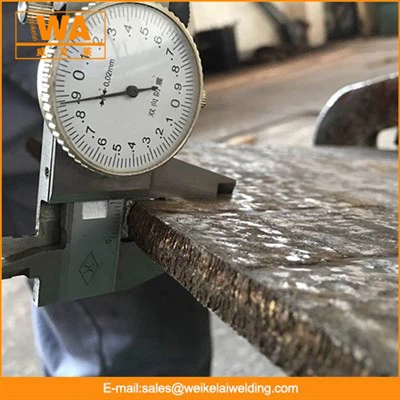
Metallic Wear Liners: Metallic wear liners are known for their high strength and excellent abrasion resistance. Metallic Wear Liners are commonly used in industries such as mining, cement, and steel, where the conveyor systems are exposed to heavy loads and abrasive materials. These liners are typically more expensive than non - metallic options due to the cost of the metals and the manufacturing processes involved.
-
Non - Metallic Wear Liners: Non - metallic wear liners, such as rubber and polyurethane, are often more cost - effective for applications where the abrasion is less severe. They offer good impact resistance and can be molded into various shapes, making them suitable for a wide range of conveyor configurations.
-
Chromium Alloy Steel Mill Liners: Chromium Alloy Steel Mill Liners are a specialized type of metallic liner. The addition of chromium enhances the hardness and corrosion resistance of the steel, making it ideal for use in high - stress applications like ball mills. The cost of these liners is relatively high due to the alloying elements and the precision manufacturing required.
2. Size and Thickness
The size and thickness of the conveyor wear liner directly affect its price. Larger liners require more raw materials and longer production times, which increases the overall cost. Similarly, thicker liners are more expensive as they contain more material and offer greater durability. For example, a large - scale industrial conveyor system may need custom - sized wear liners that are both large and thick, which can significantly drive up the price compared to standard - sized liners for smaller conveyors.
3. Quantity
Economies of scale come into play when purchasing conveyor wear liners. Ordering in large quantities usually results in a lower per - unit cost. This is because the setup costs for production, such as tooling and machine calibration, can be spread over a larger number of units. If you are a large - scale manufacturer or have multiple conveyor systems, buying in bulk can save you a substantial amount of money.
4. Manufacturing Process
The manufacturing process used to produce the conveyor wear liners also impacts the price. Liners that are produced using advanced manufacturing techniques, such as precision machining or injection molding, may be more expensive than those produced by simpler methods. Advanced processes often ensure higher quality, greater precision, and better performance, but they also come with higher production costs.
Typical Price Ranges
Low - End Price Range
For smaller, standard - sized non - metallic wear liners, such as rubber liners for light - duty conveyor applications, the price can start from around $50 to $100 per liner. These liners are suitable for conveyors that handle non - abrasive materials or operate at low speeds. For example, in a food processing plant where the conveyor is used to transport packaged goods, a simple rubber wear liner can provide adequate protection at a relatively low cost.
Mid - Range Price Range
The mid - range price range, typically from $100 to $500 per liner, includes a variety of options. This can cover medium - sized metallic wear liners for general industrial applications or larger non - metallic liners with enhanced properties. For instance, a medium - sized steel wear liner for a conveyor in a manufacturing facility that deals with moderately abrasive materials would fall into this price category. Also, some custom - shaped non - metallic liners with specific performance requirements can be found in this range.
High - End Price Range
High - end conveyor wear liners, which can cost upwards of $500 per liner, are usually made from high - performance materials or are designed for extremely demanding applications. Chromium Alloy Steel Mill Liners and large - scale, custom - engineered metallic liners for heavy - duty mining or cement plants fall into this category. These liners are built to withstand extreme abrasion, high temperatures, and heavy loads, and they often require advanced manufacturing techniques and strict quality control measures.
Making the Right Choice
When considering the price of conveyor wear liners, it's important to look beyond the initial cost. A more expensive liner may offer longer service life, reduced maintenance requirements, and improved productivity, which can result in significant cost savings in the long run. On the other hand, if your application has relatively low demands, a lower - cost liner may be a perfectly acceptable option.
Contact Us for a Quote
At our company, we understand that each conveyor system is unique, and the right wear liner depends on a variety of factors. Whether you need a simple rubber liner for a light - duty application or a high - performance metallic liner for a heavy - duty operation, we have the expertise and product range to meet your needs.
If you're interested in learning more about our Conveyor Wear Liners or getting a personalized quote, please don't hesitate to reach out to us. Our team of experts is ready to assist you in selecting the most suitable wear liners for your conveyor system and providing you with competitive pricing.


References
- "Conveyor Belt Technology Handbook"
- "Materials Science for Engineers"