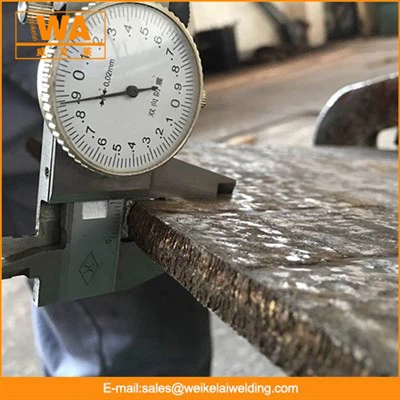
Hey there! I'm a supplier of hardfacing pipes, and I often get asked about the cost of hardfacing a pipe. It's a valid question, and the answer isn't as straightforward as you might think. In this blog post, I'll break down the factors that influence the cost of hardfacing a pipe and give you a better idea of what to expect.
What is hardfacing?
Before we dive into the cost, let's quickly go over what hardfacing is. Hardfacing is a process of applying a wear-resistant material to the surface of a pipe to increase its durability and extend its lifespan. This is particularly useful in industries where pipes are exposed to high levels of abrasion, erosion, or corrosion, such as mining, oil and gas, and power generation.
Factors that influence the cost of hardfacing a pipe
1. Pipe size and diameter
One of the most significant factors that affect the cost of hardfacing a pipe is its size and diameter. Larger pipes require more hardfacing material and more time to complete the process, which can drive up the cost. Additionally, pipes with larger diameters may require specialized equipment to handle and hardface, further increasing the expense.
2. Hardfacing material
The type of hardfacing material used also plays a crucial role in determining the cost. There are several different types of hardfacing materials available, each with its own properties and cost. For example, tungsten carbide is a popular hardfacing material known for its excellent wear resistance but is also relatively expensive. On the other hand, stainless steel is a more affordable option but may not offer the same level of wear resistance as tungsten carbide.
3. Hardfacing thickness
The thickness of the hardfacing layer applied to the pipe is another important factor to consider. A thicker hardfacing layer will provide greater wear resistance but will also require more material and time to apply, increasing the cost. The required thickness of the hardfacing layer will depend on the specific application and the level of wear the pipe is expected to endure.
4. Complexity of the pipe
The complexity of the pipe's shape and design can also impact the cost of hardfacing. Pipes with irregular shapes, bends, or joints may require more time and effort to hardface, as the hardfacing material needs to be applied evenly to all surfaces. This can result in higher labor costs and potentially the need for additional equipment or tooling.
5. Quantity of pipes
The quantity of pipes being hardfaced can also affect the cost. Generally, the more pipes you have, the lower the cost per pipe. This is because there are often economies of scale in the hardfacing process, such as reduced setup time and material costs. If you're looking to hardface multiple pipes, it's worth discussing bulk pricing options with your supplier.
Cost breakdown
To give you a better idea of the cost, let's break it down into its components. The total cost of hardfacing a pipe can be divided into three main categories: material cost, labor cost, and overhead cost.
Material cost
The material cost includes the cost of the hardfacing material itself, as well as any additional materials required for the process, such as flux or shielding gas. As mentioned earlier, the type of hardfacing material used will have a significant impact on the material cost. For example, tungsten carbide can cost anywhere from $20 to $50 per pound, while stainless steel may cost around $5 to $10 per pound.
Labor cost
The labor cost includes the cost of the labor required to perform the hardfacing process. This includes the wages of the hardfacing technicians, as well as any additional labor costs associated with prepping the pipe, handling the equipment, and quality control. The labor cost will depend on the complexity of the job, the experience of the technicians, and the local labor rates.
Overhead cost
The overhead cost includes all of the other costs associated with running a hardfacing business, such as rent, utilities, equipment maintenance, and insurance. These costs are typically spread out over all of the jobs performed by the business and are included in the overall cost of hardfacing a pipe.
Example cost estimate
Let's say you have a 6-inch diameter, 10-foot long pipe that needs to be hardfaced with tungsten carbide to a thickness of 1/8 inch. Based on the factors discussed above, here's a rough estimate of the cost:
- Material cost: Assuming a tungsten carbide cost of $30 per pound and a hardfacing thickness of 1/8 inch, the material cost would be approximately $150.
- Labor cost: Assuming a labor rate of $50 per hour and a total labor time of 4 hours, the labor cost would be approximately $200.
- Overhead cost: Assuming an overhead rate of 20%, the overhead cost would be approximately $70.
Total cost: $150 (material cost) + $200 (labor cost) + $70 (overhead cost) = $420
Keep in mind that this is just a rough estimate, and the actual cost may vary depending on the specific factors involved in your project. It's always a good idea to get a detailed quote from a reputable hardfacing supplier before proceeding with your project.
Our hardfacing pipe products
As a hardfacing pipe supplier, we offer a wide range of hardfacing pipe products to meet the needs of our customers. Our products include Wear Resistant Straight Pipe, Cco Abrasion Pipe, and Abrasion Resistant Elbows.
Our hardfacing pipes are made from high-quality materials and are designed to provide excellent wear resistance and durability. We use the latest hardfacing technology and techniques to ensure that our products meet the highest standards of quality and performance.


Contact us for a quote
If you're interested in hardfacing a pipe or purchasing our hardfacing pipe products, please don't hesitate to contact us. We'd be happy to discuss your specific needs and provide you with a detailed quote. Our team of experts is always available to answer any questions you may have and help you find the best solution for your project.
References
- ASM Handbook, Volume 5: Surface Engineering, ASM International
- Welding Handbook, Volume 2: Welding Processes, American Welding Society
- Hardfacing: Principles and Practice, The Lincoln Electric Company