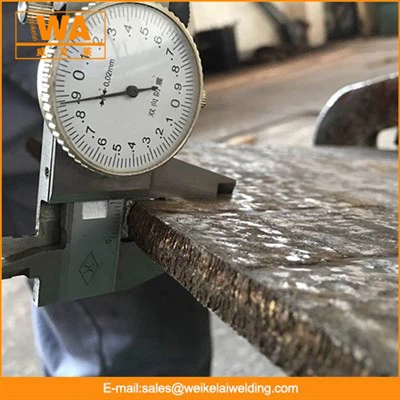
Hey there! As a supplier of Open Arc Welding Wire, I've seen firsthand how the alloy content can have a major impact on the mechanical properties of the wire. In this blog, I'm gonna break down what those impacts are and why they matter.
Let's start with the basics. Open arc welding wire is used in a variety of welding applications, from construction to manufacturing. The alloy content in the wire plays a crucial role in determining how well the wire performs during welding and how the resulting weld joint holds up over time.
One of the key mechanical properties affected by alloy content is strength. Different alloys can increase the strength of the weld joint in different ways. For example, adding elements like manganese and nickel can improve the tensile strength of the wire. This means that the weld joint will be able to withstand higher levels of stress without breaking. When you're working on a project where the welds will be under a lot of pressure, like in a heavy - duty construction or a high - stress machinery part, having a welding wire with the right alloy content for strength is super important.
Another important property is toughness. Toughness refers to the ability of the weld joint to absorb energy and resist cracking. Alloys such as chromium and molybdenum can enhance the toughness of the open arc welding wire. In applications where the welds might be subject to sudden impacts or vibrations, like in automotive or shipbuilding, a tough weld joint is essential. A lack of toughness can lead to weld failures, which can be not only costly but also dangerous.
Ductility is also influenced by alloy content. Ductility is the ability of a material to deform plastically before breaking. Some alloys, like copper, can improve the ductility of the welding wire. This is beneficial in situations where the welded structure might need to be bent or formed after welding. For instance, in the fabrication of metal furniture or decorative metalwork, a wire with good ductility allows for more flexibility in the final product design.
Now, let's talk about corrosion resistance. If you're welding in an environment where the weld joint will be exposed to moisture, chemicals, or other corrosive substances, the alloy content of the wire can make a huge difference. Stainless steel alloys, which typically contain chromium and nickel, are well - known for their excellent corrosion resistance. Using a welding wire with these alloys can ensure that the weld joint remains intact and doesn't rust or corrode over time. This is especially important in industries like marine, food processing, and chemical manufacturing.
When it comes to the different types of open arc welding wires, the alloy content varies. For example, Flux Core Welding Wire often has a specific alloy composition designed to work well with the flux core. The flux core helps to protect the weld from oxidation and other contaminants, and the alloy content in the wire is optimized to complement this function. Some flux core welding wires are also formulated to provide high - strength welds, making them suitable for heavy - duty applications.
Resistant Flux Core Wire takes things a step further. These wires are engineered with alloys that offer enhanced resistance to various factors, such as wear, heat, and corrosion. In industries where the welds are exposed to extreme conditions, like mining or oil and gas, resistant flux core wire can be a game - changer.

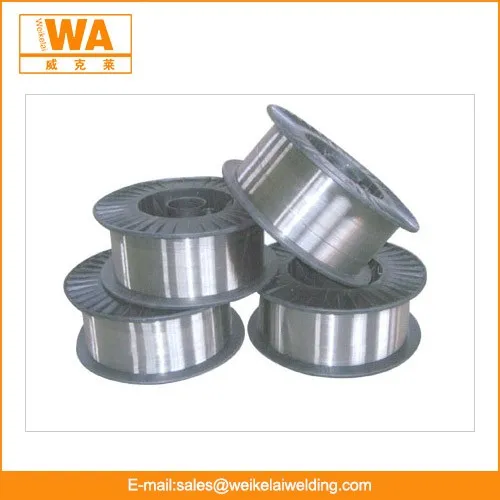
Self Shielded Flux Cored Wire is another option. This type of wire doesn't require an external shielding gas, which can be convenient in some situations. The alloy content in self - shielded flux cored wire is carefully selected to ensure good weld quality without the need for additional shielding. It's often used in outdoor welding applications where it might be difficult to use a shielding gas.
As a supplier of open arc welding wire, I know that choosing the right wire with the appropriate alloy content can be a bit overwhelming. There are so many factors to consider, from the specific application to the environmental conditions. That's why I'm here to help. Whether you're a small - scale welder working on a DIY project or a large - scale manufacturing company, I can assist you in selecting the perfect open arc welding wire for your needs.
If you're interested in learning more about our range of open arc welding wires or if you have any questions about alloy content and its impact on mechanical properties, don't hesitate to reach out. We can have a detailed discussion about your project requirements and find the best solution for you. Let's work together to ensure that your welding projects are successful and your weld joints are of the highest quality.
In conclusion, the alloy content of open arc welding wire has a profound impact on its mechanical properties. From strength and toughness to ductility and corrosion resistance, each alloy element plays a unique role. By understanding these impacts and choosing the right wire, you can achieve better weld quality, longer - lasting weld joints, and ultimately, more successful welding projects. So, if you're in the market for open arc welding wire, give us a shout, and we'll get you sorted.
References
- "Welding Metallurgy" by John C. Lippold and David A. Kotecki
- "The Welding Handbook" published by the American Welding Society