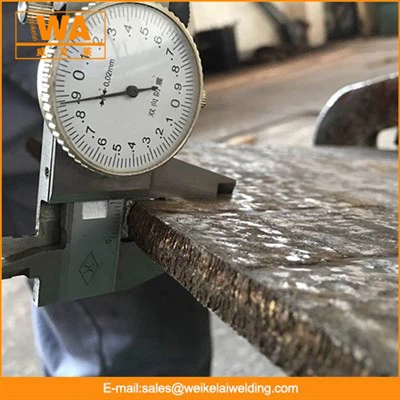
Hey there! As a supplier of Cco Abrasion Pipe, I often get asked whether Cco Abrasion Pipe can be connected to other types of pipes. Well, let's dive right into this topic and find out.
First off, what exactly is Cco Abrasion Pipe? It's a type of pipe that's designed to resist abrasion from the materials flowing through it. Whether it's in mining, power generation, or other industries where there's a lot of abrasive substances like coal, sand, or ore, Cco Abrasion Pipe is a go - to solution. It's made with special materials and manufacturing processes to ensure a long lifespan even under harsh conditions.
Now, can it be connected to other types of pipes? The short answer is yes, but there are a few things to consider.
Compatibility in Material
One of the most important factors is the material compatibility. Different pipes are made from various materials such as steel, plastic, or composite materials. When connecting Cco Abrasion Pipe to other pipes, we need to make sure that the materials are chemically and physically compatible. For example, if we're connecting a Cco Abrasion Pipe made of a certain alloy steel to a plastic pipe, we have to think about how they'll react to each other over time. The temperature, pressure, and the nature of the fluid or solid flowing through the pipes can all affect this compatibility.
If the materials are not compatible, it could lead to corrosion, leakage, or even structural failure. For instance, if a highly reactive chemical is flowing through the pipes and the connection between the Cco Abrasion Pipe and another pipe is made of incompatible materials, the chemical could cause the connection to break down. So, before making any connections, it's crucial to analyze the materials of both pipes and consult with experts if necessary.
Connection Methods
There are several connection methods available when it comes to joining Cco Abrasion Pipe with other types of pipes.
Flange Connections
Flange connections are a popular choice. They're relatively easy to install and allow for easy disassembly for maintenance or replacement. With flange connections, we can connect Cco Abrasion Pipe to other pipes of different types as long as the flange sizes and ratings are compatible. For example, if we have a standard flange size for our Cco Abrasion Pipe, we can look for other pipes with the same flange size and rating to make a secure connection. However, we need to ensure proper gasket selection to prevent leakage. A good quality gasket that can withstand the pressure, temperature, and chemical environment of the pipes is essential.
Welding
Welding is another option, especially when connecting pipes made of similar metals. When welding Cco Abrasion Pipe to other metal pipes, we need to use the appropriate welding techniques and filler materials. The welding process should be carefully controlled to avoid issues like cracking or weakening of the pipes. For example, if we're welding a Cco Abrasion Pipe to a carbon steel pipe, we have to select the right welding rod and follow the correct welding procedure to ensure a strong and durable connection. But keep in mind that welding might not be suitable for all types of pipes, especially those made of non - weldable materials like some plastics.
Threaded Connections
Threaded connections are also used in some cases. They're simple and quick to install. However, they're more suitable for smaller diameter pipes and lower pressure applications. When using threaded connections to connect Cco Abrasion Pipe to other pipes, we need to make sure the threads are properly cut and sealed. Using thread sealant can help prevent leakage. But again, the compatibility of the pipe materials and the pressure - bearing capacity of the threaded connection need to be considered.


Advantages of Connecting Cco Abrasion Pipe to Other Types of Pipes
There are several benefits to connecting Cco Abrasion Pipe to other types of pipes.
Cost - Effectiveness
In some situations, using Cco Abrasion Pipe throughout the entire pipeline system might be expensive. By connecting it to other more cost - effective pipes in areas where abrasion is not a major concern, we can reduce the overall cost of the pipeline project. For example, in a long - distance pipeline, we can use Cco Abrasion Pipe only in the sections where the fluid or solid is highly abrasive, and use regular steel pipes in the less - abrasive sections.
Flexibility in Design
Connecting Cco Abrasion Pipe to other types of pipes gives us more flexibility in pipeline design. We can choose the most suitable pipe for each part of the system based on the specific requirements. For instance, if we need a pipe with high flexibility in a certain area, we can connect a flexible plastic pipe to the Cco Abrasion Pipe. This allows us to optimize the performance of the entire pipeline system.
Examples of Other Pipes for Connection
There are many types of pipes that can be connected to Cco Abrasion Pipe.
Wear Resistant Straight Pipe
The Wear Resistant Straight Pipe is a great option. It shares similar properties with Cco Abrasion Pipe in terms of wear resistance. Connecting them can create a continuous and highly wear - resistant pipeline section. This is especially useful in industries where long - straight runs of pipes are needed to transport abrasive materials.
Bent Cladding Pipe
The Bent Cladding Pipe can be connected to Cco Abrasion Pipe to create bends in the pipeline. These bends are often required in complex pipeline layouts. The cladding on the bent pipe can also provide additional protection against abrasion, making it a good match for Cco Abrasion Pipe.
Abrasion Resistant Elbows
Abrasion Resistant Elbows are another important component. They can be connected to Cco Abrasion Pipe at the corners of the pipeline. Since the flow of abrasive materials tends to cause more wear at the elbows, using abrasion - resistant elbows can significantly extend the lifespan of the pipeline system.
Things to Keep in Mind When Connecting
Before making any connections, it's essential to conduct a thorough inspection of both the Cco Abrasion Pipe and the other pipes. Check for any damage, defects, or dimensional inaccuracies. Make sure the pipes are clean and free from debris. Also, follow all the relevant safety standards and regulations during the installation process.
In conclusion, Cco Abrasion Pipe can definitely be connected to other types of pipes, but it requires careful consideration of material compatibility, connection methods, and the specific requirements of the pipeline system. If you're planning a pipeline project and need Cco Abrasion Pipe or have questions about connecting it to other pipes, don't hesitate to get in touch with us. We're here to provide you with the best solutions and ensure your pipeline system works efficiently and safely.
References
- "Pipeline Engineering Handbook"
- "Materials Science for Pipeline Applications"