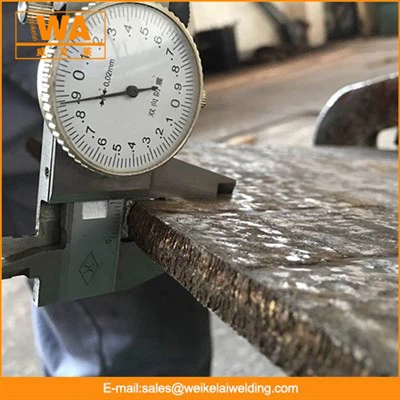
What is the flatness requirement for alloy steel plates?
As a supplier of alloy steel plates, I've encountered numerous inquiries regarding the flatness requirements of these essential materials. Flatness is a critical characteristic that significantly impacts the performance and usability of alloy steel plates in various applications. In this blog, I'll delve into the concept of flatness requirements for alloy steel plates, exploring why they matter, how they are measured, and the factors that influence them.
Why Flatness Matters
The flatness of an alloy steel plate is crucial for several reasons. Firstly, in manufacturing processes such as machining, welding, and forming, a flat plate ensures accurate and consistent results. For example, when machining a flat surface on a steel plate, any deviation from the desired flatness can lead to uneven cuts, poor dimensional accuracy, and increased waste. Similarly, in welding operations, a flat plate provides a stable base for joining components, reducing the risk of distortion and ensuring strong, reliable welds.
Secondly, flatness is essential for the proper fit and function of alloy steel plates in assembled structures. In construction and engineering projects, steel plates are often used as structural components, such as beams, columns, and floors. A flat plate ensures a snug fit with other components, minimizing gaps and misalignments that could compromise the integrity of the structure. In automotive and aerospace applications, flatness is critical for ensuring the smooth operation of moving parts and the aerodynamic performance of vehicles.
Finally, flatness affects the aesthetic appearance of alloy steel plates. In applications where the appearance of the plate is important, such as architectural facades and decorative elements, a flat surface provides a clean, professional look. Any visible waves, warps, or bows in the plate can detract from its overall appearance and reduce its market value.
Measuring Flatness
Flatness is typically measured using a variety of techniques and instruments, depending on the specific requirements of the application and the level of accuracy needed. One common method is the use of a straightedge or a precision ruler. By placing the straightedge on the surface of the plate and measuring the gap between the straightedge and the plate at various points, it is possible to determine the degree of flatness deviation. This method is relatively simple and inexpensive, but it is limited in its accuracy and is best suited for rough measurements.
For more precise measurements, optical measurement systems, such as laser scanners and coordinate measuring machines (CMMs), are often used. These systems use advanced technology to create a detailed 3D map of the plate's surface, allowing for accurate measurement of flatness deviations down to the micrometer level. Laser scanners are particularly useful for measuring large plates, as they can quickly and accurately scan the entire surface of the plate without the need for physical contact. CMMs, on the other hand, are more suitable for measuring small, complex parts with high precision requirements.
In addition to these measurement techniques, flatness is often specified using industry standards and tolerances. These standards define the maximum allowable deviation from a perfectly flat surface and provide a common language for communicating flatness requirements between suppliers and customers. For example, the American Society for Testing and Materials (ASTM) has established standards for flatness tolerances in various types of steel plates, including alloy steel plates. These standards specify the maximum allowable height of waves, warps, and bows in the plate, as well as the measurement methods and inspection procedures to be used.
Factors Affecting Flatness
Several factors can affect the flatness of alloy steel plates during the manufacturing process. One of the primary factors is the rolling process. During rolling, the steel plate is passed through a series of rollers to reduce its thickness and shape it into the desired dimensions. If the rollers are not properly aligned or if the rolling pressure is uneven, it can cause the plate to develop waves, warps, or bows. To minimize these effects, manufacturers use advanced rolling mills with precise control systems to ensure uniform rolling pressure and accurate roller alignment.
Another factor that can affect flatness is the heat treatment process. Heat treatment is often used to improve the mechanical properties of alloy steel plates, such as hardness, strength, and toughness. However, if the heat treatment is not carried out properly, it can cause the plate to distort or warp. For example, if the plate is heated or cooled too quickly, it can create internal stresses that cause the plate to bend or twist. To avoid these problems, manufacturers use carefully controlled heat treatment processes and annealing techniques to relieve internal stresses and ensure the flatness of the plate.
The composition and microstructure of the alloy steel can also have an impact on its flatness. Different alloying elements and microstructures can affect the thermal expansion and contraction properties of the steel, which can lead to dimensional changes and flatness deviations during heating and cooling. For example, some alloy steels may have a higher coefficient of thermal expansion than others, which means they are more likely to expand and contract during heat treatment, increasing the risk of distortion. Manufacturers take these factors into account when selecting the appropriate alloy steel composition and heat treatment process to ensure the desired flatness and dimensional stability of the plate.
Meeting Flatness Requirements
As a supplier of alloy steel plates, we understand the importance of meeting our customers' flatness requirements. That's why we have implemented a comprehensive quality control system to ensure that all of our plates meet the highest standards of flatness and dimensional accuracy. Our manufacturing process begins with the careful selection of high-quality raw materials, which are sourced from reputable suppliers. We then use advanced rolling mills and heat treatment equipment to produce plates with consistent thickness, width, and length, as well as excellent flatness.
During the manufacturing process, we conduct regular inspections and measurements to monitor the flatness of the plates. We use a combination of traditional measurement techniques, such as straightedges and precision rulers, and advanced optical measurement systems, such as laser scanners and CMMs, to ensure that the plates meet the specified flatness tolerances. If any deviations are detected, we take immediate corrective action to ensure that the plates are brought back into compliance.


In addition to our in-house quality control measures, we also work closely with our customers to understand their specific flatness requirements and to provide them with customized solutions. We offer a wide range of alloy steel plates with different flatness tolerances to meet the needs of various applications, from general engineering to high-precision manufacturing. We can also provide additional processing services, such as leveling and stress relieving, to further improve the flatness of the plates.
Related Products
If you're interested in learning more about our alloy steel plates and their applications, we recommend checking out our Chromium Carbide Plate, Wear Resistant Alloys, and Wear Steel Plate. These products are designed to provide excellent wear resistance and durability in harsh environments, making them ideal for a wide range of industries, including mining, construction, and manufacturing.
Contact Us
If you have any questions about the flatness requirements for alloy steel plates or if you're interested in purchasing our products, please don't hesitate to contact us. Our team of experts is available to provide you with detailed information and to help you find the right solution for your specific needs. We look forward to working with you and to helping you achieve your goals.
References
- ASTM International. (20XX). Standard Specification for [Specific Alloy Steel Plate]. ASTM [Standard Number].
- Kalpakjian, S., & Schmid, S. R. (2008). Manufacturing Engineering and Technology (5th ed.). Pearson Prentice Hall.
- Metals Handbook: Properties and Selection: Irons, Steels, and High-Performance Alloys (Vol. 1). (1990). ASM International.