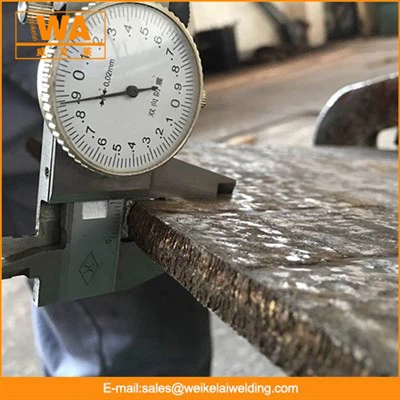
What is the fatigue strength of a wear plate?
Hey there! As a wear plate supplier, I often get asked about the fatigue strength of wear plates. It's a crucial factor to consider when choosing the right wear plate for your application. So, let's dive into what fatigue strength is and why it matters for wear plates.
First off, what's fatigue strength? Fatigue strength refers to the maximum stress that a material can withstand for a specified number of cycles without failing. In simpler terms, it's how well a wear plate can handle repeated loading and unloading without breaking down. When a wear plate is in use, it's constantly being subjected to various forces and stresses, such as impact, abrasion, and vibration. Over time, these repeated stresses can cause microscopic cracks to form in the material. If the fatigue strength of the wear plate is low, these cracks can grow and eventually lead to failure.
Now, why is fatigue strength so important for wear plates? Well, in many industrial applications, wear plates are used in harsh environments where they're exposed to high levels of wear and tear. For example, in mining operations, wear plates are used in conveyor systems, crushers, and hoppers to protect equipment from the abrasive action of rocks and minerals. In the construction industry, wear plates are used in earthmoving equipment, such as bulldozers and excavators, to withstand the impact and abrasion of soil and debris. In these applications, a wear plate with low fatigue strength is likely to fail prematurely, leading to costly downtime and repairs.


So, how do we measure the fatigue strength of a wear plate? There are several methods used to determine the fatigue strength of materials, but one of the most common is the S-N curve method. The S-N curve shows the relationship between the stress level (S) and the number of cycles to failure (N) for a given material. By testing a sample of the wear plate under different stress levels and recording the number of cycles it takes to fail, we can plot the data on an S-N curve and determine the fatigue strength of the material.
Another factor that affects the fatigue strength of a wear plate is its material composition. Different materials have different fatigue properties, and choosing the right material for your application is crucial. For example, Bimetal Wear Plate is a popular choice for many wear applications because it combines the high hardness of a wear-resistant alloy with the toughness of a steel substrate. This combination provides excellent resistance to both abrasion and impact, making it suitable for use in harsh environments.
Chromium Carbide Wear Plate is another type of wear plate that offers high fatigue strength. Chromium carbide is a hard, wear-resistant material that forms a protective layer on the surface of the wear plate, reducing the risk of abrasion and wear. These plates are often used in applications where high levels of abrasion are expected, such as in mining and cement production.
Wear Resistant Alloys are also commonly used in wear plates. These alloys are designed to provide high levels of hardness and wear resistance, making them suitable for use in a wide range of applications. The specific composition of the alloy can be tailored to meet the requirements of the application, allowing for optimal performance.
In addition to material composition, the manufacturing process can also have a significant impact on the fatigue strength of a wear plate. For example, proper heat treatment can improve the hardness and toughness of the material, enhancing its fatigue resistance. Precision machining can also ensure that the wear plate has the correct dimensions and surface finish, reducing the risk of stress concentrations that can lead to fatigue failure.
When selecting a wear plate for your application, it's important to consider not only the fatigue strength but also other factors such as wear resistance, impact resistance, and corrosion resistance. You should also consult with a wear plate supplier or an expert in the field to ensure that you choose the right product for your specific needs.
As a wear plate supplier, I understand the importance of providing high-quality products that meet the needs of our customers. We offer a wide range of wear plates, including Bimetal Wear Plate, Chromium Carbide Wear Plate, and Wear Resistant Alloys, all of which are designed to provide excellent fatigue strength and long service life.
If you're in the market for wear plates and want to learn more about our products or discuss your specific requirements, don't hesitate to get in touch. We're here to help you find the right solution for your application and ensure that you get the best value for your money. Whether you're a small business or a large industrial operation, we have the expertise and the products to meet your needs.
References
- ASM Handbook Volume 19: Fatigue and Fracture. ASM International.
- Wear Control Handbook. Society of Tribologists and Lubrication Engineers.