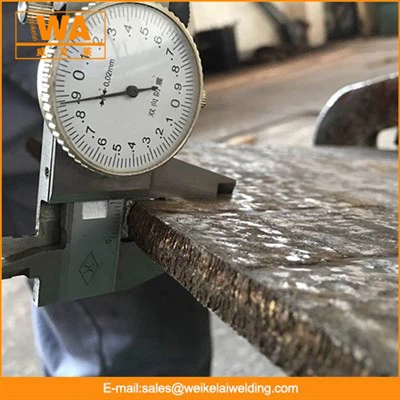
In the realm of industrial materials, wear steel plates and abrasion-resistant steel plates are two commonly encountered products that play crucial roles in various applications. As a supplier of Wear Steel Plate, I've had the opportunity to work closely with these materials and understand their unique characteristics. In this blog, I'll delve into the differences between wear steel plates and abrasion-resistant steel plates, shedding light on their properties, applications, and how to choose the right one for your specific needs.
Understanding Wear Steel Plate
Wear steel plates, as the name suggests, are designed to withstand wear and tear. They are engineered to resist mechanical wear caused by friction, impact, and erosion. These plates are made from high-quality steel alloys that are heat-treated to enhance their hardness and toughness. The Wear Steel Plate I supply is a prime example of such a product, offering excellent performance in harsh environments.
One of the key features of wear steel plates is their high hardness. This hardness allows them to resist the penetration of abrasive particles, reducing the rate of wear. Additionally, wear steel plates often have good impact resistance, which means they can withstand sudden shocks without cracking or breaking. This makes them suitable for applications where they are likely to be subjected to both abrasion and impact, such as in mining equipment, construction machinery, and conveyor systems.
Another important aspect of wear steel plates is their weldability. They can be easily welded to other steel components, allowing for the fabrication of complex structures. This flexibility in fabrication makes them a popular choice for many industries. However, it's important to note that proper welding techniques must be used to ensure the integrity of the weld and the performance of the wear steel plate.
Exploring Abrasion-Resistant Steel Plate
Abrasion-resistant steel plates, on the other hand, are specifically designed to resist abrasion. They are made from special steel alloys that have a high carbon content and are often alloyed with elements such as chromium, molybdenum, and nickel. These alloying elements enhance the hardness and wear resistance of the steel, making it more resistant to abrasion.
The Hardfacing Wear Plate is a type of abrasion-resistant steel plate that is commonly used in applications where extreme abrasion resistance is required. It is typically applied as a hardfacing layer on the surface of a base metal, providing a protective barrier against abrasion. This hardfacing layer can be customized to meet the specific requirements of the application, such as the type of abrasive material, the severity of the abrasion, and the operating conditions.
Abrasion-resistant steel plates are known for their excellent abrasion resistance, but they may not have the same level of impact resistance as wear steel plates. This is because the high hardness of the abrasion-resistant steel can make it more brittle, increasing the risk of cracking or breaking under impact. Therefore, they are more suitable for applications where the primary concern is abrasion, such as in chutes, hoppers, and crushers.
Key Differences between Wear Steel Plate and Abrasion-Resistant Steel Plate
- Composition and Hardness
- Wear steel plates are made from high-quality steel alloys with a balanced combination of hardness and toughness. They typically have a hardness range of 300-500 Brinell hardness (HB).
- Abrasion-resistant steel plates are made from special steel alloys with a high carbon content and alloying elements. They have a higher hardness, usually in the range of 400-600 HB or even higher.
- Impact Resistance
- Wear steel plates have good impact resistance due to their balanced hardness and toughness. They can withstand sudden shocks without cracking or breaking.
- Abrasion-resistant steel plates may have lower impact resistance due to their high hardness, which can make them more brittle. They are more prone to cracking or breaking under impact.
- Abrasion Resistance
- Wear steel plates offer good abrasion resistance, but they may not be as effective as abrasion-resistant steel plates in extreme abrasion conditions.
- Abrasion-resistant steel plates are specifically designed for high abrasion resistance and can provide excellent protection against abrasive wear.
- Weldability
- Wear steel plates are generally more weldable than abrasion-resistant steel plates. They can be easily welded to other steel components using standard welding techniques.
- Abrasion-resistant steel plates may require special welding procedures and preheating to ensure the integrity of the weld and the performance of the plate.
- Applications
- Wear steel plates are suitable for applications where both abrasion and impact are present, such as in mining equipment, construction machinery, and conveyor systems.
- Abrasion-resistant steel plates are more suitable for applications where the primary concern is abrasion, such as in chutes, hoppers, and crushers.
Choosing the Right Plate for Your Application
When choosing between wear steel plates and abrasion-resistant steel plates, it's important to consider the specific requirements of your application. Here are some factors to consider:
- Operating Conditions
- If your application involves both abrasion and impact, such as in a mining environment where rocks and minerals are being transported and processed, wear steel plates may be the better choice.
- If the primary concern is abrasion, such as in a chute where materials are sliding or flowing, abrasion-resistant steel plates may be more suitable.
- Type of Abrasive Material
- Different abrasive materials have different levels of hardness and abrasiveness. If the abrasive material is relatively soft, wear steel plates may provide sufficient protection. However, if the abrasive material is hard and aggressive, abrasion-resistant steel plates may be necessary.
- Budget
- Abrasion-resistant steel plates are generally more expensive than wear steel plates due to their higher alloy content and specialized manufacturing processes. Consider your budget when making a decision.
- Fabrication Requirements
- If you need to fabricate complex structures or weld the plates to other components, wear steel plates may be easier to work with due to their better weldability.
The Role of Bimetallic Wear Resistant Material
In some cases, a Bimetallic Wear Resistant Material can be a good alternative. This material combines the advantages of different metals, typically a hardfacing layer on a softer base metal. The hardfacing layer provides excellent abrasion resistance, while the base metal provides the necessary strength and toughness. Bimetallic wear resistant materials can be customized to meet the specific requirements of the application, offering a cost-effective solution for many wear and abrasion problems.
Conclusion
In conclusion, wear steel plates and abrasion-resistant steel plates are two distinct types of materials with different properties and applications. As a supplier of Wear Steel Plate, I understand the importance of choosing the right material for your specific needs. By considering the operating conditions, type of abrasive material, budget, and fabrication requirements, you can make an informed decision and select the material that will provide the best performance and value for your application.
If you have any questions or need further information about wear steel plates or abrasion-resistant steel plates, please don't hesitate to contact me. I'm here to help you find the right solution for your wear and abrasion challenges. Let's work together to ensure the success of your projects.


References
- ASM Handbook, Volume 1: Properties and Selection: Irons, Steels, and High-Performance Alloys
- Steel Construction Manual, American Institute of Steel Construction
- Welding Handbook, American Welding Society