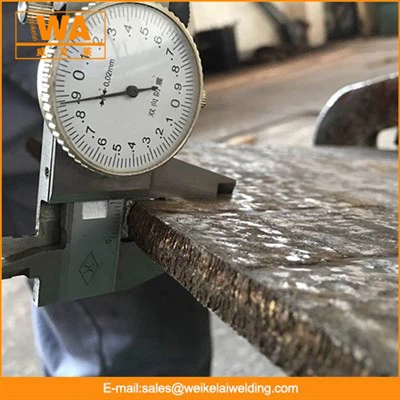
As a supplier of Wear Resistant Pipe, I am often asked whether our products can be effectively used in the water treatment industry. This question is not only relevant but also crucial for those in the water treatment sector looking for reliable piping solutions. In this blog post, I will explore the potential of wear-resistant pipes in water treatment, discussing their advantages, applications, and considerations.
The Water Treatment Industry: A Challenging Environment
The water treatment industry is tasked with the vital job of purifying and treating water to make it safe for various uses, including drinking, industrial processes, and environmental protection. This process involves a series of complex steps, such as filtration, sedimentation, disinfection, and chemical treatment. Each step exposes the pipes used in the system to different types of wear and corrosion, which can significantly impact the efficiency and lifespan of the infrastructure.
Types of Wear in Water Treatment
- Abrasion: Water treatment often involves the movement of water containing suspended solids, such as sand, silt, and debris. These particles can cause abrasion as they flow through the pipes, gradually wearing away the inner surface of the pipes.
- Corrosion: Chemicals used in the water treatment process, such as chlorine, acids, and alkalis, can react with the pipe material, leading to corrosion. Corrosion not only weakens the pipes but also can contaminate the water being treated.
- Erosion: High-velocity water flow can cause erosion, especially at bends, elbows, and valves. Erosion can lead to thinning of the pipe walls and eventually result in leaks or failures.
Advantages of Wear Resistant Pipes in Water Treatment
1. Extended Lifespan
Wear-resistant pipes are designed to withstand the harsh conditions in the water treatment industry. They are made from materials with high hardness and toughness, such as Wear Resistant Straight Pipe and Cco Abrasion Pipe, which can resist abrasion, corrosion, and erosion. By using wear-resistant pipes, the lifespan of the piping system can be significantly extended, reducing the need for frequent replacements and maintenance.
2. Reduced Maintenance Costs
With a longer lifespan, wear-resistant pipes require less frequent maintenance. This means lower costs associated with pipe repairs, replacements, and downtime. In addition, the reduced maintenance also minimizes the disruption to the water treatment process, ensuring a continuous and reliable supply of treated water.
3. Improved Water Quality
Wear-resistant pipes are less likely to corrode or release contaminants into the water. This helps to maintain the quality of the treated water, ensuring that it meets the required standards for its intended use. For example, in drinking water treatment, using wear-resistant pipes can prevent the leaching of harmful substances into the water, protecting public health.
4. Enhanced System Efficiency
The smooth inner surface of wear-resistant pipes reduces friction, allowing for a more efficient flow of water. This can result in lower energy consumption and improved overall system performance. In addition, the resistance to wear and corrosion helps to maintain the integrity of the pipes, preventing blockages and leaks that can disrupt the water treatment process.
Applications of Wear Resistant Pipes in Water Treatment
1. Intake and Outfall Pipes
Wear-resistant pipes are ideal for intake and outfall pipes, which are exposed to the raw water containing suspended solids and debris. These pipes need to be able to withstand the abrasion caused by the flowing water and the impact of the particles. By using wear-resistant pipes, the intake and outfall pipes can operate more efficiently and have a longer lifespan.
2. Chemical Dosing Pipes
Chemical dosing is an important part of the water treatment process. Wear-resistant pipes can be used to transport the chemicals, such as chlorine, acids, and alkalis, without being corroded. This ensures the accurate dosing of chemicals and prevents the contamination of the water treatment system.
3. Filtration and Sedimentation Pipes
In filtration and sedimentation processes, wear-resistant pipes are used to transport the water and the filtered solids. The pipes need to be able to resist the abrasion caused by the solid particles and the corrosion from the chemicals used in the filtration process. Wear-resistant pipes can provide a reliable solution for these applications.
4. Pump Discharge Pipes
Pump discharge pipes are subjected to high-pressure and high-velocity water flow. Wear-resistant pipes can withstand the erosion and abrasion caused by the high-speed water, ensuring the reliable operation of the pumps and the efficient transfer of water within the treatment system.
Considerations When Using Wear Resistant Pipes in Water Treatment
1. Material Selection
The choice of wear-resistant pipe material depends on the specific requirements of the water treatment process. Factors such as the type of water being treated, the chemicals used, the flow rate, and the temperature need to be considered. It is important to select a material that is compatible with the water treatment environment to ensure optimal performance.


2. Installation and Maintenance
Proper installation and maintenance are essential for the effective use of wear-resistant pipes. The pipes should be installed according to the manufacturer's instructions to ensure a tight and leak-free connection. Regular inspections and maintenance should also be carried out to detect any signs of wear or damage early and take appropriate measures.
3. Cost-Benefit Analysis
While wear-resistant pipes offer many advantages, they may also have a higher initial cost compared to traditional pipes. A cost-benefit analysis should be conducted to determine whether the long-term benefits, such as extended lifespan and reduced maintenance costs, outweigh the higher upfront investment.
Conclusion
In conclusion, wear-resistant pipes can be effectively used in the water treatment industry. Their ability to resist abrasion, corrosion, and erosion makes them a reliable choice for various applications in the water treatment process. By using wear-resistant pipes, water treatment plants can improve the efficiency, reliability, and lifespan of their piping systems, while also ensuring the quality of the treated water.
If you are in the water treatment industry and are looking for high-quality wear-resistant pipes, please feel free to contact us for more information. We are committed to providing you with the best products and solutions to meet your specific needs.
References
- "Handbook of Water and Wastewater Treatment Plant Operations" by William C. Sawyer, Perry L. McCarty, and George F. Parkin.
- "Water Treatment Unit Processes: Physical and Chemical" by David W. Hendricks.
- "Corrosion and Protection in the Water Industry" by R. Winston Revie.