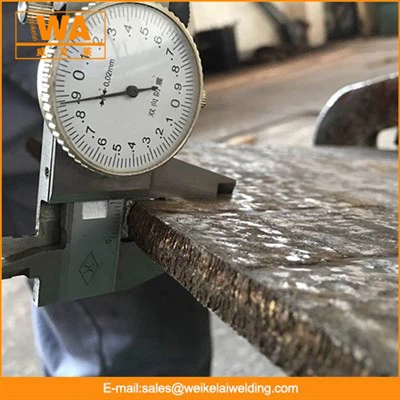
The cost of roller welding repair is a multifaceted topic that involves various factors, from the type of rollers to the complexity of the repair work. As a supplier of Roller Welding Repair, I have witnessed firsthand how different elements can influence the overall cost. In this blog, I will delve into the key aspects that determine the cost of roller welding repair and provide insights to help you understand this crucial process better.
Types of Rollers and Their Impact on Cost
Rollers come in a wide range of types, each with its own characteristics and requirements for welding repair. Industrial rollers used in manufacturing plants, for example, are often subject to high levels of wear and tear due to continuous operation. These rollers may require more extensive repair work, including Welding Rebuild On Roller, which can significantly increase the cost.
On the other hand, smaller rollers used in less demanding applications may only need minor repairs, such as surface welding to address small cracks or dents. The material of the roller also plays a vital role. Rollers made of high - strength alloys or specialized materials are more expensive to repair because the welding process requires specific techniques and materials that are compatible with the roller's composition.
Complexity of the Repair Work
The complexity of the repair work is another major factor in determining the cost. Simple repairs, such as filling small holes or cracks, can be completed relatively quickly and with less labor and materials. However, more complex repairs, such as rebuilding a severely damaged roller or restoring its original dimensions and surface finish, can be time - consuming and require a high level of skill.
For instance, if a roller has multiple deep cracks that extend into its core, the repair process may involve cutting out the damaged areas, pre - heating the roller to prevent cracking during welding, and then carefully welding new material in place. This type of repair requires advanced welding techniques and experienced welders, which increases the labor cost. Additionally, the need for post - welding heat treatment to relieve stress and ensure the integrity of the weld can also add to the overall expense.
Labor Costs
Labor costs are a significant component of the total cost of roller welding repair. The hourly rate of the welders and technicians involved in the repair process can vary depending on their level of experience, expertise, and the region where the repair is being carried out. Highly skilled welders who are certified in specialized welding processes, such as TIG (Tungsten Inert Gas) or MIG (Metal Inert Gas) welding, typically command higher rates.
Moreover, the time required to complete the repair also affects labor costs. Complex repairs may take several days or even weeks to finish, especially if the roller needs to be disassembled, transported to a repair facility, and then reassembled after the repair. The cost of labor also includes the time spent on inspection, planning, and quality control to ensure that the repair meets the required standards.
Materials and Equipment
The materials used in roller welding repair, such as welding rods, filler metals, and shielding gases, contribute to the cost. The choice of materials depends on the type of roller and the welding process. For example, some rollers may require high - alloy welding rods to ensure a strong and durable weld, which are more expensive than standard welding rods.


In addition to materials, the cost of equipment used in the repair process also needs to be considered. Welding machines, pre - heating equipment, post - welding heat treatment furnaces, and inspection tools all have a cost associated with their use. The maintenance and calibration of this equipment are also important factors, as poorly maintained equipment can lead to sub - standard repairs and additional costs in the long run.
Quantity of Rollers to be Repaired
The quantity of rollers to be repaired can also impact the cost. If you need to repair a large number of rollers at once, there may be economies of scale. Suppliers may offer volume discounts because the setup costs, such as preparing the workspace and equipment, can be spread over a larger number of units.
However, if the rollers are of different types or require different repair processes, the cost calculation becomes more complex. In some cases, the supplier may need to adjust the pricing based on the specific requirements of each roller, even when dealing with a large quantity.
Quality Assurance and Certification
Quality assurance is an essential part of roller welding repair. Reputable suppliers invest in quality control measures, such as non - destructive testing (NDT) methods like ultrasonic testing or magnetic particle testing, to ensure the integrity of the welds. These testing procedures add to the cost but are necessary to guarantee the safety and reliability of the repaired rollers.
Certification is also important, especially in industries with strict regulations. If the repaired rollers need to meet certain industry standards or specifications, the supplier may need to conduct additional tests and provide documentation to prove compliance. This process can increase the cost but is crucial for ensuring that the rollers can be safely used in their intended applications.
Cost - Saving Strategies
While the cost of roller welding repair can be significant, there are some strategies that can help reduce the expense. Regular maintenance and inspection of rollers can prevent minor issues from developing into major problems. By identifying and addressing small cracks or signs of wear early, you can avoid more extensive and costly repairs in the future.
Another strategy is to work with a reliable and experienced supplier who can provide accurate cost estimates and offer cost - effective solutions. A good supplier will be able to assess the damage to the roller and recommend the most appropriate repair method, which may save you money in the long run. Additionally, comparing quotes from different suppliers can help you find the best value for your money.
The Importance of Investing in Quality Repairs
Although it may be tempting to choose the cheapest repair option, investing in high - quality roller welding repair is essential. A poorly repaired roller can fail prematurely, leading to production downtime, equipment damage, and potential safety hazards. High - quality repairs ensure that the roller will perform reliably and have a longer service life, which can ultimately save money in the long term by reducing the need for frequent repairs and replacements.
In industries such as mining, where Coal Pulverizer Tables and rollers are critical components of the production process, the cost of a roller failure can be extremely high. A failed roller can cause a coal pulverizer to shut down, disrupting the entire production line and resulting in significant financial losses. Therefore, it is worth paying a reasonable price for a high - quality repair to avoid these potential problems.
Conclusion
The cost of roller welding repair is influenced by a variety of factors, including the type of rollers, the complexity of the repair work, labor costs, materials and equipment, the quantity of rollers to be repaired, and quality assurance. As a supplier of roller welding repair services, I understand the importance of providing accurate cost estimates and high - quality repairs.
If you are in need of roller welding repair services, I encourage you to contact us for a detailed assessment of your requirements. We have the expertise and experience to handle all types of roller repair jobs, and we are committed to providing cost - effective solutions that meet your needs. Whether you have a single roller or a large quantity of rollers that need repair, we can offer you a competitive quote and ensure that the repair work is completed to the highest standards.
References
- ASME Boiler and Pressure Vessel Code.
- AWS (American Welding Society) Standards for Welding Processes.
- Industry - specific guidelines for roller maintenance and repair.