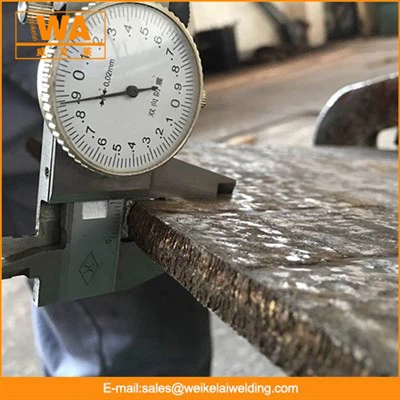
As a supplier of wear liners, I've encountered numerous inquiries regarding the chemical stability of these essential components. Chemical stability is a crucial aspect when it comes to wear liners, as it directly impacts their performance, longevity, and suitability for various applications. In this blog post, I'll delve into what chemical stability means for wear liners, its influencing factors, and why it matters in different industries.
Understanding Chemical Stability in Wear Liners
Chemical stability refers to the ability of a material to resist chemical reactions under specific environmental conditions. For wear liners, this means withstanding exposure to various chemicals, such as acids, alkalis, solvents, and corrosive gases, without significant degradation. A chemically stable wear liner maintains its structural integrity, mechanical properties, and wear resistance over time, even when in contact with aggressive substances.
The chemical stability of wear liners is determined by their composition and microstructure. Different materials have varying degrees of resistance to chemical attack. For instance, metallic wear liners Metallic Wear Liners are commonly made from alloys like chromium alloy steel, which offer good resistance to abrasion and corrosion. The addition of elements such as chromium, nickel, and molybdenum can enhance the chemical stability of these liners by forming a protective oxide layer on the surface.
Factors Affecting Chemical Stability
Several factors can influence the chemical stability of wear liners. Understanding these factors is essential for selecting the right liner material for a particular application.
Chemical Composition
The chemical composition of the wear liner is the primary factor determining its chemical stability. Different elements and alloys have unique chemical properties that affect their resistance to corrosion and chemical attack. For example, stainless steel liners contain chromium, which forms a passive oxide layer on the surface, protecting the underlying metal from further oxidation and corrosion. In contrast, carbon steel liners are more susceptible to rust and corrosion in the presence of moisture and oxygen.
Temperature
Temperature plays a significant role in the chemical stability of wear liners. Higher temperatures can accelerate chemical reactions, increasing the rate of corrosion and degradation. In addition, some chemicals may become more reactive at elevated temperatures, posing a greater threat to the liner material. Therefore, it's crucial to consider the operating temperature range when selecting wear liners for high-temperature applications.
pH Level
The pH level of the environment can also affect the chemical stability of wear liners. Acids and alkalis can react with the liner material, causing corrosion and degradation. For example, acidic environments can dissolve the protective oxide layer on stainless steel liners, exposing the underlying metal to further attack. On the other hand, alkaline environments can cause stress corrosion cracking in some metals. Therefore, it's important to choose a wear liner that is compatible with the pH level of the application.
Exposure Time
The duration of exposure to chemicals is another important factor. Prolonged exposure to aggressive substances can gradually degrade the wear liner, reducing its performance and lifespan. In some cases, even a short exposure to highly corrosive chemicals can cause significant damage to the liner. Therefore, it's essential to minimize the exposure time and take appropriate measures to protect the liners from chemical attack.
Importance of Chemical Stability in Different Industries
Chemical stability is crucial in various industries where wear liners are used. Here are some examples:
Mining and Minerals Processing
In the mining and minerals processing industry, wear liners are used to protect equipment such as crushers, mills, and conveyors from abrasion and corrosion. These liners are often exposed to harsh chemicals, including acids, alkalis, and abrasive slurries. A chemically stable wear liner can withstand these conditions, ensuring the reliable operation of the equipment and reducing maintenance costs. For example, Chromium Alloy Steel Mill Liners are commonly used in ball mills due to their excellent wear and corrosion resistance.
Chemical Processing
The chemical processing industry involves the handling and processing of a wide range of chemicals, many of which are highly corrosive. Wear liners are used in reactors, storage tanks, and pipelines to prevent corrosion and contamination. Chemical stability is essential in this industry to ensure the safety and efficiency of the processes. For instance, ceramic wear liners are often used in chemical processing equipment due to their high resistance to chemical attack.
Power Generation
In the power generation industry, wear liners are used in coal-fired boilers, ash handling systems, and flue gas desulfurization plants. These liners are exposed to high temperatures, abrasive particles, and corrosive gases. A chemically stable wear liner can withstand these conditions, reducing the risk of equipment failure and improving the overall efficiency of the power plant.
Testing and Evaluation of Chemical Stability
To ensure the chemical stability of wear liners, it's important to conduct thorough testing and evaluation. There are several methods available for testing the chemical resistance of materials, including immersion tests, salt spray tests, and electrochemical tests.
Immersion tests involve immersing the wear liner sample in a chemical solution for a specified period and then evaluating the changes in its weight, appearance, and mechanical properties. Salt spray tests are used to simulate the effects of corrosion in a marine environment by exposing the sample to a salt spray mist. Electrochemical tests measure the electrical properties of the material to determine its corrosion resistance.
In addition to laboratory testing, field testing is also essential to evaluate the performance of wear liners in real-world conditions. Field testing involves installing the wear liners in the actual equipment and monitoring their performance over time. This allows for the identification of any potential issues and the optimization of the liner design and material selection.
Selecting the Right Wear Liners for Chemical Stability
When selecting wear liners for applications where chemical stability is a concern, it's important to consider the following factors:
Chemical Compatibility
Choose a wear liner material that is compatible with the chemicals present in the application. Consult with the liner manufacturer or a materials expert to determine the best material for your specific needs.


Operating Conditions
Consider the temperature, pH level, and exposure time of the application. Select a wear liner that can withstand these conditions without significant degradation.
Wear Resistance
In addition to chemical stability, wear resistance is also an important factor. Choose a wear liner that offers good abrasion and impact resistance to ensure long-term performance.
Cost
Consider the cost of the wear liners, including the initial purchase price, installation costs, and maintenance costs. Balance the cost with the performance and durability of the liners to achieve the best value for your investment.
Conclusion
Chemical stability is a critical aspect of wear liners, as it directly impacts their performance, longevity, and suitability for various applications. By understanding the factors affecting chemical stability, conducting thorough testing and evaluation, and selecting the right wear liner material, you can ensure the reliable operation of your equipment and reduce maintenance costs.
If you're in need of wear liners with excellent chemical stability, we're here to help. Our company offers a wide range of Wear Protection Linings that are designed to meet the specific needs of different industries. Contact us today to discuss your requirements and explore the best solutions for your application.
References
- ASM Handbook, Volume 13A: Corrosion: Fundamentals, Testing, and Protection. ASM International.
- Callister, W. D., & Rethwisch, D. G. (2017). Materials Science and Engineering: An Introduction. Wiley.
- Fontana, M. G. (1986). Corrosion Engineering. McGraw-Hill.