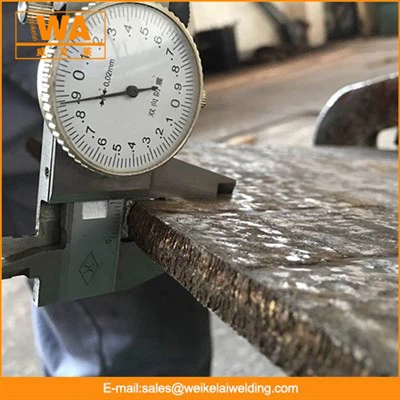
Hey there! I'm a supplier of Bimetal Wear Plates, and today I want to dig into a super important topic: how the friction coefficient of bimetal wear plates affects their wear performance.
Let's start with the basics. A bimetal wear plate is made by combining two different metals, usually a hard - facing alloy and a mild steel backing. This combination gives the plate the strength and toughness it needs to withstand harsh working conditions. The friction coefficient, on the other hand, is a measure of how much resistance there is when two surfaces slide against each other.
Now, you might be wondering, why does the friction coefficient matter so much? Well, it plays a huge role in determining how well the wear plate can resist wear and tear. When the friction coefficient is high, there's more force acting between the wear plate and the material it's in contact with. This can lead to increased heat generation, which in turn can cause the plate to wear out faster.
For example, in a mining operation, the bimetal wear plate might be used to line the inside of a chute where rocks and ore are being transported. If the friction coefficient is too high, the rocks will rub against the plate with a lot of force, generating heat and causing the plate to wear down quickly. This not only means more frequent replacements but also higher costs for the operation.
On the flip side, a low friction coefficient can be beneficial. When there's less friction between the wear plate and the material, there's less heat generated, and the plate is likely to last longer. A lower friction coefficient can also reduce the energy required to move the material over the plate. In a conveyor system, for instance, a bimetal wear plate with a low friction coefficient will allow the conveyed material to slide more easily, reducing the power consumption of the conveyor.
But it's not as simple as just aiming for the lowest friction coefficient possible. There are other factors to consider. For one, the application environment matters a great deal. In some cases, a slightly higher friction coefficient might be necessary to ensure proper grip. In a crusher, for example, the wear plate needs to have enough friction to hold the material in place during the crushing process. If the friction coefficient is too low, the material might slip, reducing the efficiency of the crusher.
The surface finish of the bimetal wear plate also has an impact on the friction coefficient. A smooth surface generally has a lower friction coefficient compared to a rough surface. Our Smooth And Crack Free Wear Plate is designed to have an optimal surface finish. The smoothness helps to reduce friction, which in turn improves the wear performance of the plate.
Another type of wear plate we offer is the Manganese Wear Plate. Manganese wear plates have unique properties that can affect the friction coefficient. Manganese is known for its work - hardening ability. When the plate is subjected to impact and abrasion, the surface of the manganese wear plate hardens, which can change the friction coefficient over time. In the initial stages of use, the friction coefficient might be relatively low. But as the plate hardens due to wear, the friction coefficient could increase, which might require careful monitoring to ensure optimal performance.
The Smooth Wear Plate is also a great option for applications where low friction is crucial. Its smooth surface reduces the contact area between the plate and the material, minimizing friction and wear. This type of plate is often used in applications where high - speed movement of materials is involved, such as in high - speed conveyor belts.
To control the friction coefficient of bimetal wear plates, we use advanced manufacturing techniques. We carefully select the alloys used in the plate and control the heat treatment process. Heat treatment can change the microstructure of the metals, which in turn affects the surface properties and the friction coefficient. By fine - tuning these processes, we can produce wear plates with the desired friction coefficient for different applications.
In addition to the manufacturing process, the operating conditions also need to be considered. Factors like temperature, humidity, and the type of material in contact with the wear plate can all influence the friction coefficient. In a hot and dry environment, for example, the friction coefficient might be different compared to a cold and wet environment. We work closely with our customers to understand their specific operating conditions so that we can recommend the most suitable wear plates.

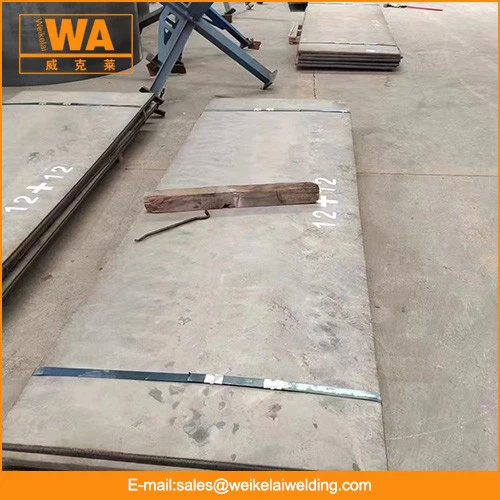
If you're in the market for bimetal wear plates, it's important to understand how the friction coefficient affects the wear performance. You need to consider the application, the operating conditions, and the desired lifespan of the plate. By choosing the right wear plate with the appropriate friction coefficient, you can save on costs in the long run by reducing the frequency of replacements and improving the efficiency of your operations.
We're here to help you make the best choice. Our team of experts has years of experience in the industry and can provide you with all the information you need. Whether you need a wear plate for a mining operation, a manufacturing plant, or any other application, we've got you covered.
If you're interested in learning more about our bimetal wear plates or want to discuss your specific requirements, don't hesitate to reach out. We're always happy to have a chat and help you find the perfect solution for your needs. Let's work together to improve the performance and longevity of your equipment with our high - quality bimetal wear plates.
References
- Some general textbooks on materials science and engineering related to wear and friction.
- Industry reports on the performance of bimetal wear plates in different applications.