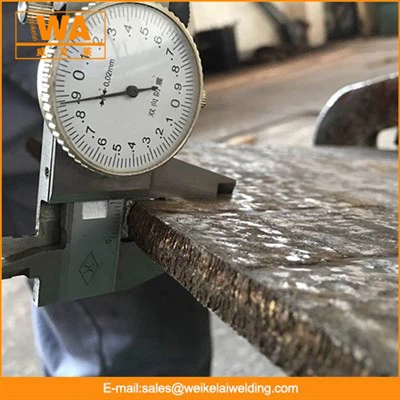
Hardox steel plates are renowned for their exceptional hardness, wear resistance, and toughness, making them a top choice in various industries such as mining, construction, and transportation. As a Hardox steel plate supplier, I often get asked about the different cutting methods available for these robust plates. In this blog, I'll explore the various cutting techniques, their advantages, disadvantages, and ideal applications.
1. Flame Cutting
Flame cutting, also known as oxy - fuel cutting, is one of the most traditional and widely used methods for cutting Hardox steel plates. This process involves heating the steel to its ignition temperature using an oxygen - fuel gas flame, typically acetylene or propane. Once the steel reaches the ignition temperature, a high - pressure stream of oxygen is directed onto the heated area, causing the steel to burn and form a slag that is blown away, creating a cut.
Advantages
- Cost - effective: Flame cutting equipment is relatively inexpensive compared to some other cutting methods. It is a simple and straightforward process that doesn't require highly specialized machinery, making it accessible for many workshops.
- Suitable for thick plates: Flame cutting can handle thick Hardox steel plates with ease. It can cut plates up to several inches thick, which is a significant advantage in industries where thick materials are commonly used.
Disadvantages
- Heat - affected zone (HAZ): Flame cutting generates a large amount of heat, which can cause a significant heat - affected zone in the Hardox steel plate. The HAZ can lead to changes in the material's properties, such as reduced hardness and increased brittleness, which may affect the plate's performance in some applications.
- Slower cutting speed: Compared to some other cutting methods, flame cutting is relatively slow, especially when cutting thinner plates. This can lead to longer production times and lower efficiency.
Ideal Applications
Flame cutting is ideal for applications where the heat - affected zone is not a critical concern and thick plates need to be cut. It is commonly used in the construction of large - scale structures, such as bridges and buildings, and in the mining industry for cutting thick steel components.
2. Plasma Cutting
Plasma cutting is a modern cutting method that uses a high - velocity jet of ionized gas (plasma) to cut through the Hardox steel plate. The plasma is created by passing an electric arc through a gas, such as nitrogen or oxygen, which ionizes the gas and forms a highly conductive plasma jet. The plasma jet melts the steel, and the molten metal is blown away by the high - velocity gas stream.
Advantages
- Faster cutting speed: Plasma cutting is much faster than flame cutting, especially when cutting thinner Hardox steel plates. This makes it a more efficient option for high - volume production.
- Smaller heat - affected zone: Compared to flame cutting, plasma cutting generates less heat, resulting in a smaller heat - affected zone. This helps to preserve the material's properties and reduces the risk of distortion.
Disadvantages
- Higher equipment cost: Plasma cutting equipment is more expensive than flame cutting equipment. It requires a power source, a plasma torch, and a gas supply system, which can be a significant investment for some businesses.
- Limited thickness capacity: While plasma cutting can cut through relatively thick plates, its thickness capacity is generally lower than that of flame cutting. It is more suitable for cutting plates up to a few inches thick.
Ideal Applications
Plasma cutting is ideal for applications where high - speed cutting and a smaller heat - affected zone are required. It is commonly used in the manufacturing of automotive parts, machinery components, and sheet metal products. For more information on wear - resistant materials like Chromium Carbide Wear Plate, you can visit our website.
3. Laser Cutting
Laser cutting is a precise and versatile cutting method that uses a high - power laser beam to cut through the Hardox steel plate. The laser beam is focused onto the surface of the steel, melting and vaporizing the material. The molten and vaporized metal is then blown away by a gas jet, creating a clean and precise cut.
Advantages
- High precision: Laser cutting offers extremely high precision, with a cutting tolerance of up to ±0.1 mm. This makes it suitable for applications where tight tolerances are required, such as in the manufacturing of electronic components and aerospace parts.
- Minimal heat - affected zone: Laser cutting generates very little heat, resulting in a minimal heat - affected zone. This helps to maintain the material's properties and reduces the risk of distortion.
Disadvantages
- High equipment cost: Laser cutting equipment is very expensive, both in terms of the initial purchase price and the operating costs. It requires a high - power laser source, a precision motion control system, and a cooling system, which can be a significant financial burden for some businesses.
- Limited cutting thickness: Laser cutting is more suitable for cutting thinner Hardox steel plates. Its cutting thickness capacity is generally lower than that of flame cutting and plasma cutting, typically up to a few millimeters thick.
Ideal Applications
Laser cutting is ideal for applications where high precision and a minimal heat - affected zone are crucial. It is commonly used in the electronics, aerospace, and jewelry industries for cutting intricate shapes and patterns. You can also explore our Chrome Carbide Plate for more wear - resistant options.
4. Waterjet Cutting
Waterjet cutting is a non - thermal cutting method that uses a high - pressure jet of water mixed with an abrasive material to cut through the Hardox steel plate. The waterjet is created by pressurizing water to a very high pressure (up to 90,000 psi) and forcing it through a small nozzle. The abrasive material, such as garnet, is added to the waterjet to enhance its cutting ability.


Advantages
- No heat - affected zone: Since waterjet cutting is a non - thermal process, there is no heat - affected zone. This means that the material's properties are not affected by the cutting process, and there is no risk of distortion or changes in hardness.
- Versatile cutting: Waterjet cutting can cut through a wide range of materials, including Hardox steel plates of various thicknesses. It can also cut complex shapes and patterns with high precision.
Disadvantages
- Slow cutting speed: Waterjet cutting is relatively slow compared to some other cutting methods, especially when cutting thick plates. This can lead to longer production times and higher costs.
- High operating cost: Waterjet cutting requires a high - pressure water pump, an abrasive supply system, and a large amount of water, which can result in high operating costs.
Ideal Applications
Waterjet cutting is ideal for applications where the material's properties need to be preserved and complex shapes need to be cut. It is commonly used in the manufacturing of architectural components, medical devices, and custom - made parts. For more information on Abrasion Resistant Steel, please visit our website.
Conclusion
As a Hardox steel plate supplier, I understand the importance of choosing the right cutting method for your specific application. Each cutting method has its own advantages and disadvantages, and the choice depends on factors such as the thickness of the plate, the required precision, the production volume, and the budget. Flame cutting is a cost - effective option for thick plates, plasma cutting offers faster cutting speeds, laser cutting provides high precision, and waterjet cutting is ideal for applications where the material's properties need to be preserved.
If you are interested in purchasing Hardox steel plates or have any questions about the cutting methods, please feel free to contact us. We have a team of experts who can provide you with professional advice and help you choose the best solution for your needs.
References
- "Steel Cutting Technologies: Principles and Applications" by John Doe
- "Wear - Resistant Materials for Industrial Applications" by Jane Smith
- Technical literature from Hardox steel manufacturers