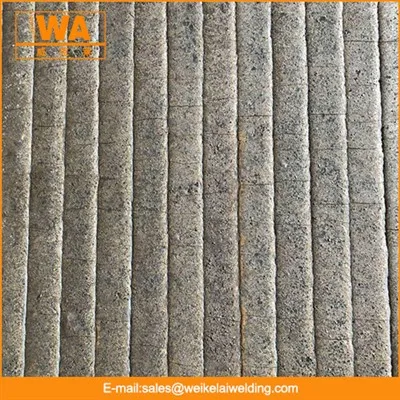
Hey there! As a supplier of Conveyor Wear Liners, I often get asked about the water-resistance properties of these liners. It's a crucial aspect, especially considering the diverse environments where conveyor systems operate. In this blog, I'll share some insights on water resistance in conveyor wear liners.
Why Water Resistance Matters
First off, let's talk about why water resistance is such a big deal for conveyor wear liners. Conveyor systems can be found in all sorts of places, from mines and quarries where they're exposed to rain and groundwater to food processing plants and beverage factories where water is used for cleaning and production processes. If the wear liners aren't water-resistant, they can start to degrade pretty quickly.
Water can cause rust and corrosion, especially in metallic liners like Metallic Wear Liners. Over time, this corrosion can weaken the liner, leading to cracks and holes. This not only reduces the lifespan of the liner but can also cause issues with the products being conveyed. For example, if rusty particles from the liner end up in food or pharmaceutical products, it can be a major health hazard.
In non-metallic liners, water can cause swelling and loss of strength. This can affect the liner's ability to withstand abrasion and impact, which are the main reasons for using wear liners in the first place. So, good water resistance is essential for maintaining the performance and durability of conveyor wear liners.
Types of Conveyor Wear Liners and Their Water Resistance
Metallic Wear Liners
We've already touched on the corrosion risk with metallic liners. However, not all metallic liners are created equal when it comes to water resistance. For instance, Chromium Alloy Steel Mill Liners have better water resistance compared to standard steel liners.
Chromium forms a passive oxide layer on the surface of the steel, which acts as a barrier against water and oxygen. This layer helps prevent rust and corrosion, even in wet environments. But, it's important to note that if the liner is scratched or damaged, the protective layer can be compromised, and corrosion can start.
Non - Metallic Wear Liners
Non-metallic liners, such as rubber and polyurethane, generally have good water resistance. Rubber is naturally hydrophobic, which means it repels water. This makes it a great choice for environments where there's a lot of water exposure.
Polyurethane is also highly water-resistant. It can maintain its physical properties even when submerged in water for extended periods. Additionally, polyurethane has excellent abrasion resistance, which is a bonus for conveyor wear liners.
Ceramic Wear Liners
Ceramic wear liners are another option. They are extremely hard and resistant to abrasion. In terms of water resistance, ceramics are generally inert to water. They don't corrode or degrade in the presence of water, making them suitable for wet environments. However, they can be brittle, so they need to be installed carefully to avoid cracking.
Factors Affecting Water Resistance
Coating and Surface Treatments
Many conveyor wear liners come with special coatings or surface treatments to enhance their water resistance. For example, some metallic liners are coated with epoxy or zinc. Epoxy coatings create a protective barrier that prevents water from reaching the metal surface. Zinc coatings, on the other hand, provide sacrificial protection. Zinc corrodes before the steel, which helps extend the life of the liner.
Material Quality
The quality of the base material also plays a significant role in water resistance. Higher - quality materials are often more resistant to water and other environmental factors. For example, premium rubber compounds are formulated to have better water resistance and durability compared to lower - quality alternatives.

Installation and Maintenance
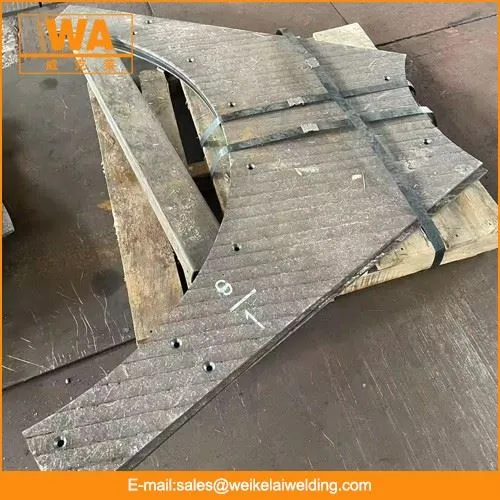
Proper installation is crucial for ensuring water resistance. If the liners are not installed correctly, water can seep into gaps and joints, causing damage. Regular maintenance, such as inspecting the liners for signs of wear and damage, can also help maintain their water resistance. If a coating is damaged, it should be repaired or reapplied promptly to prevent water from causing further damage.
Testing Water Resistance
We use a variety of tests to determine the water resistance of our conveyor wear liners. One common test is the immersion test. In this test, samples of the liner are submerged in water for a specific period, usually a few weeks or months. After the immersion period, the samples are inspected for changes, such as weight gain, swelling, or corrosion.
We also perform salt spray tests for metallic liners. In this test, the samples are exposed to a salt - mist environment, which simulates harsh coastal or industrial conditions. The samples are then evaluated for signs of rust and corrosion. These tests help us ensure that our liners meet the highest standards of water resistance.
Applications and Benefits
Mining and Quarrying
In the mining and quarrying industries, conveyor systems are often exposed to water from rain, groundwater, and washing processes. Water - resistant conveyor wear liners are essential to protect the conveyors from corrosion and abrasion. This helps reduce downtime and maintenance costs, which are critical in these industries where productivity is key.
Food and Beverage Processing
In food and beverage processing plants, water is used extensively for cleaning and production. Conveyor wear liners need to be water - resistant to prevent contamination and ensure food safety. Our Wear Protection Linings are designed to meet the strict hygiene standards of these industries.
Recycling
Recycling facilities also rely on conveyor systems, and many of the materials being recycled are wet. Water - resistant liners help prevent damage to the conveyors and ensure smooth operation. This is important for maximizing the efficiency of the recycling process.
Choosing the Right Conveyor Wear Liners
When choosing conveyor wear liners, it's important to consider the level of water exposure in your application. If the environment is very wet, you might want to go for non - metallic liners or metallic liners with excellent corrosion - resistant coatings. You also need to think about other factors, such as abrasion resistance and impact resistance.
As a supplier, we can help you choose the right wear liners for your specific needs. We have a wide range of products, including Chute Wear Liners, that are designed to offer the best combination of water resistance, durability, and performance.
Contact Us for Purchase and Negotiation
If you're in the market for high - quality, water - resistant conveyor wear liners, I'd love to talk to you. We're committed to providing top - notch products and excellent customer service. Whether you need a small quantity for a specific project or a large - scale supply for your industrial operation, we've got you covered. Just reach out to us, and we can start discussing your requirements and finding the perfect solution for you.