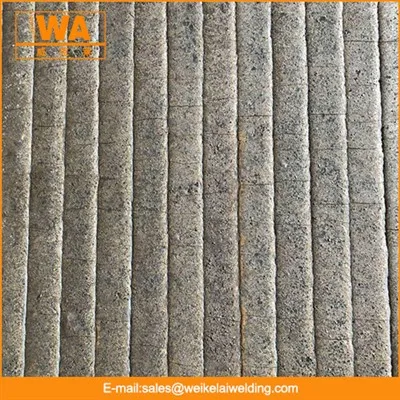
When we talk about construction, mining, manufacturing, or any industry that deals with heavy-duty operations, wear steel plates are often a crucial component. As a wear steel plate supplier, I'm frequently asked about the tensile strength of wear steel plates. So, let's delve into what tensile strength is and how it applies to wear steel plates.
What is Tensile Strength?
Tensile strength is a fundamental mechanical property of materials. It refers to the maximum stress that a material can withstand while being stretched or pulled before necking, which is the point where the material starts to thin down locally. Measured in units like megapascals (MPa) or pounds per square inch (psi), tensile strength is determined through a standardized test called the tensile test.
During the tensile test, a sample of the material is placed in a testing machine. The machine then applies a gradually increasing pulling force on the sample until it breaks. The highest value of stress recorded before the breakage is the ultimate tensile strength (UTS) of the material. Another important value related to tensile strength is the yield strength. The yield strength indicates the stress at which the material begins to deform plastically, meaning it won't return to its original shape after the force is removed.
Tensile Strength of Wear Steel Plates
Wear steel plates are engineered to resist abrasion, impact, and other forms of wear in harsh environments. The tensile strength of these plates can vary significantly depending on their composition, manufacturing process, and heat treatment.
Most wear steel plates have high tensile strengths. For instance, some common grades of wear - resistant steel plates can have an ultimate tensile strength ranging from 1000 MPa to 1800 MPa. High - grade wear steel plates used in extremely demanding applications might even exceed 1800 MPa.
The high tensile strength of wear steel plates is a result of the addition of various alloying elements. Elements like manganese, nickel, chromium, and molybdenum are commonly added to the steel. These alloying elements form different phases within the steel microstructure, which enhances its strength and hardness.
For example, chromium is often used in wear steel plates. It not only increases the hardness but also improves the corrosion resistance of the plate. Chromium Carbide Plate is a type of wear steel plate where the chromium forms carbides, which are extremely hard and provide excellent wear resistance. The presence of chromium carbides also has an impact on the tensile strength. The fine - dispersed chromium carbides act as obstacles to the movement of dislocations within the steel, thereby increasing the stress required to deform the material and enhancing its tensile strength.
Factors Affecting the Tensile Strength of Wear Steel Plates
1. Chemical Composition
As mentioned earlier, the alloying elements play a crucial role in determining the tensile strength. The amount and ratio of these elements can be finely tuned during the steel - making process. For example, an increase in the carbon content generally leads to higher hardness and strength. However, too much carbon can make the steel brittle. Therefore, a careful balance of alloying elements is required to achieve the desired combination of strength, hardness, and toughness.
The High Wear Resistant Steel we offer is precisely engineered with an optimized chemical composition. The carefully selected alloying elements interact with each other to form a microstructure that provides both high wear resistance and tensile strength.
2. Heat Treatment
Heat treatment is another important factor. Processes like quenching and tempering can significantly alter the steel's microstructure and, consequently, its tensile strength. Quenching involves rapidly cooling the steel from a high temperature, which causes the formation of a hard microstructure called martensite. However, martensite is very brittle. Tempering is then carried out to reduce the brittleness and improve the toughness while still maintaining a high level of strength.


Our Hardfacing Wear Plate undergoes a precise heat - treatment process. This ensures that the plate has a consistent and optimal microstructure, resulting in high tensile strength and excellent wear resistance.
3. Manufacturing Process
The manufacturing process, such as rolling, also affects the tensile strength. Rolling can refine the grain structure of the steel. A finer grain structure generally leads to higher strength and better ductility. During hot rolling, the steel is deformed at high temperatures, which helps in homogenizing the microstructure and reducing internal stresses. Cold rolling, on the other hand, can further increase the strength by inducing strain hardening.
Importance of Tensile Strength in Wear Steel Plates
1. Structural Integrity
In applications where wear steel plates are used in load - bearing structures, high tensile strength is essential for maintaining the structural integrity. For example, in mining equipment like haul trucks or excavators, the wear - resistant plates are subjected to heavy loads and impacts. A plate with sufficient tensile strength can withstand these forces without failing, ensuring the safe and efficient operation of the equipment.
2. Resistance to Cracking
High tensile strength helps the wear steel plate resist cracking. When the plate is subjected to external forces, the high strength prevents the propagation of cracks. This is especially important in applications where the plate is exposed to abrasive materials. If a crack were to form and propagate, it could lead to the failure of the plate and disrupt the entire operation.
3. Long - term Performance
A wear steel plate with good tensile strength is more likely to have a longer service life. It can better withstand the repeated stresses and wear over time. This reduces the need for frequent replacements, saving both time and money for our customers in the long run.
Our Offerings in Wear Steel Plates
We offer a wide range of wear steel plates, including Chromium Carbide Coating and Chromium Carbide Wear Plate. Each of our products is designed and manufactured to meet the highest standards of quality. Our team of experts carefully monitors every step of the production process, from the selection of raw materials to the final heat treatment, to ensure that the plates have the optimal tensile strength and wear - resistant properties.
Whether you are in the mining, construction, or any other industry that requires wear - resistant solutions, we can provide you with the right wear steel plates for your specific needs. Our plates are not only known for their high tensile strength but also for their excellent wear resistance, impact resistance, and toughness.
Get in Touch
If you are interested in learning more about our wear steel plates or would like to discuss your specific requirements, please feel free to contact us. We are more than happy to provide you with detailed product information, technical support, and competitive quotes. Our team of professionals is ready to assist you in finding the best wear - resistant solutions for your business.