In the realm of industrial operations, chute systems play a pivotal role in the seamless transfer of materials. These chutes are constantly subjected to high - speed impacts, abrasion, and corrosion from the materials they convey. To ensure their longevity and efficient performance, chute wear liners are essential. As a supplier of chute wear liners, I have witnessed firsthand the importance of these liners and the need for clear standards. In this blog, I will delve into the standards for chute wear liners, which are crucial for both manufacturers and end - users.
1. Material Quality
The choice of material for chute wear liners is the cornerstone of their performance. Different materials have distinct properties that make them suitable for various applications.
Non - metallic Materials
- Ceramics: Ceramic liners are renowned for their exceptional hardness and wear resistance. They can withstand high - impact forces and are highly effective against abrasive materials such as coal, ore, and sand. For instance, alumina ceramics have a high alumina content, which provides excellent wear protection. The purity of the ceramic material is a key standard. High - purity ceramics generally offer better performance. According to industry research, ceramics with an alumina content of over 95% are preferred for heavy - duty applications.
- Polymer - based Materials: Materials like ultra - high - molecular - weight polyethylene (UHMWPE) are popular due to their self - lubricating properties and low coefficient of friction. They are ideal for applications where material flow needs to be smooth, reducing the risk of blockages. The density and molecular weight of UHMWPE are important standards. A higher molecular weight typically results in better wear resistance and impact strength.
Metallic Materials
Metallic wear liners, such as those described on the Metallic Wear Liners page, also have their place in the market. Hardened steels are commonly used. The hardness of the steel is a critical standard. It is usually measured on the Rockwell or Brinell scale. For applications involving high - impact loads, steels with a hardness of 40 - 60 HRC (Rockwell Hardness C) are often specified. Additionally, the chemical composition of the steel, including elements like chromium, nickel, and molybdenum, affects its corrosion resistance and wear properties.
2. Physical Dimensions and Tolerances
Accurate physical dimensions are essential for the proper installation and performance of chute wear liners.
Thickness
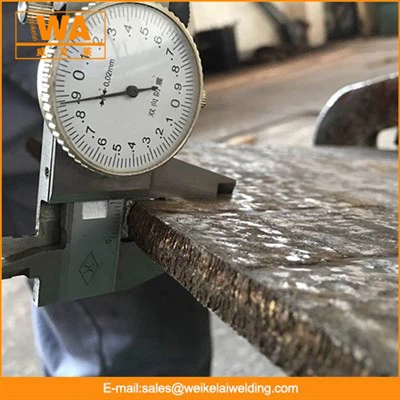
The thickness of the liner is determined by the severity of the wear conditions. In high - abrasion environments, thicker liners are required. For example, in a coal - handling chute, liners with a thickness of 10 - 20 mm may be used, while in less demanding applications, a thickness of 5 - 10 mm could suffice. The tolerance for thickness should be within a narrow range. A common standard is a tolerance of ± 0.5 mm for thinner liners and ± 1 mm for thicker ones.
Length and Width
The length and width of the liner must match the dimensions of the chute. Standard sizes are often available, but custom - sized liners can also be manufactured. The tolerance for length and width is typically ± 2 - 3 mm to ensure a proper fit.
Flatness and Straightness
The liner should be flat and straight to ensure uniform contact with the chute surface. Deviations from flatness and straightness can lead to uneven wear and installation problems. A standard for flatness is often specified as a maximum deviation of 1 - 2 mm per meter of length.
3. Wear Resistance
Wear resistance is perhaps the most important standard for chute wear liners. It can be evaluated through various testing methods.
Abrasion Resistance
Abrasion is one of the most common forms of wear in chute systems. Tests such as the ASTM G65 dry - sand/rubber - wheel abrasion test are used to measure the abrasion resistance of liners. The test measures the volume loss of the material under a specified abrasive condition. A lower volume loss indicates better abrasion resistance. For example, a high - quality ceramic liner may have a volume loss of less than 0.1 cm³ after a specified number of abrasion cycles.
Impact Resistance
Chutes often experience high - impact forces when materials are dropped or flow at high speeds. Impact resistance is measured using tests like the Charpy or Izod impact test. These tests measure the energy absorbed by the material during impact. A higher impact energy indicates better resistance to impact - induced wear. For instance, UHMWPE liners typically have good impact resistance, with an impact energy of 50 - 100 kJ/m².
4. Chemical Resistance
In some industrial applications, chute wear liners may be exposed to chemicals, such as acids or alkalis. Chemical resistance is therefore an important standard.
Resistance to Corrosion
For metallic liners, corrosion resistance is crucial. The liner should be able to withstand the corrosive effects of the materials being conveyed and the environment. Stainless steels are often used in corrosive environments due to their high chromium content, which forms a passive oxide layer on the surface. The corrosion rate of the liner can be measured through immersion tests in corrosive solutions. A low corrosion rate, typically less than 0.1 mm/year, is desirable.
Resistance to Chemical Attack
Non - metallic liners also need to be resistant to chemical attack. For example, ceramic liners are generally resistant to most chemicals, but polymer - based liners may be affected by certain solvents. The liner should be tested for compatibility with the specific chemicals it will encounter in the application.
5. Installation and Maintenance
The ease of installation and maintenance is another important aspect of the standards for chute wear liners.
Installation - friendly Design
Liners should be designed for easy installation. They may have pre - drilled holes for bolting or interlocking edges for a seamless fit. A standard for installation could be that the liner can be installed by a trained technician within a specified time frame, for example, within 1 - 2 hours per square meter.
Maintenance Requirements
Low - maintenance liners are preferred. Some liners, like UHMWPE, require little to no lubrication and are easy to clean. The maintenance standard could be defined as the need for maintenance only once every few months or years, depending on the application.
6. Safety
Safety is a top priority in industrial operations, and chute wear liners are no exception.
Fire Resistance
In some applications, there is a risk of fire. Liners should have a certain level of fire resistance. For example, polymer - based liners can be treated to be flame - retardant. A standard for fire resistance could be that the liner meets the requirements of relevant fire safety standards, such as UL 94 V - 0 for plastic materials.
Slip Resistance
To prevent accidents during maintenance or operation, the surface of the liner should have a certain level of slip resistance. The coefficient of friction of the liner surface can be measured. A coefficient of friction of at least 0.5 is often recommended for safe walking and working conditions.


As a supplier of Chute Wear Liners, we understand the importance of meeting these standards. Our products are designed and manufactured to adhere to the highest industry standards, ensuring optimal performance and longevity. If you are in need of high - quality chute wear liners for your industrial application, we invite you to explore our Wear Protection Linings page and contact us for further information and to discuss your specific requirements. We are committed to providing you with the best solutions for your wear - protection needs.
References
- ASTM International. (Year). ASTM G65 - Standard Test Method for Measuring Abrasion Using the Dry Sand/Rubber Wheel Apparatus.
- Manufacturer's technical documents on chute wear liners.
- Industry research reports on wear - resistant materials.