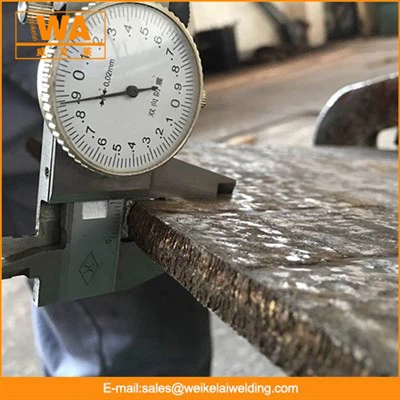
Hey there, welding enthusiasts! As a supplier of flux cored wire, I've seen firsthand the importance of getting the gap size right in flux cored wire welding. It can make a huge difference in the quality of your welds, so today I'm going to share some tips on how to adjust that gap size like a pro.
Understanding the Basics of Flux Cored Wire Welding
Before we dive into adjusting the gap size, let's quickly go over what flux cored wire welding is all about. Flux cored wire welding is a popular welding process that uses a tubular wire filled with flux. The flux helps to protect the weld from contaminants in the air, and it also provides some additional shielding gas. It's a great option for both beginners and experienced welders because it's relatively easy to learn and can be used on a variety of materials.
One of the key factors in getting a good weld with flux cored wire is the gap size between the two pieces of metal you're joining. If the gap is too small, the weld may not penetrate properly, and you could end up with a weak joint. On the other hand, if the gap is too large, the weld may be uneven, and you could have problems with porosity or other defects.
Factors Affecting the Gap Size
There are several factors that can affect the ideal gap size for flux cored wire welding. Here are some of the most important ones to consider:
Material Thickness
The thickness of the materials you're welding is one of the biggest factors in determining the gap size. Generally speaking, thicker materials will require a larger gap to ensure proper penetration. For example, if you're welding two pieces of 1/8-inch thick steel, you might need a gap of around 1/16 inch. But if you're welding two pieces of 1/2-inch thick steel, you could need a gap of up to 1/4 inch.
Welding Position
The position in which you're welding can also affect the gap size. When welding in the flat position, you have more control over the weld pool, and you can usually get away with a smaller gap. However, when welding in the vertical or overhead position, gravity can cause the weld pool to sag, so you may need a larger gap to compensate.
Wire Diameter
The diameter of the flux cored wire you're using can also play a role in determining the gap size. Thicker wires generally require a larger gap to ensure proper fusion. For example, if you're using a 0.035-inch diameter wire, you might need a smaller gap than if you're using a 0.045-inch diameter wire.
Welding Current and Voltage
The welding current and voltage settings can also affect the gap size. Higher current and voltage settings will result in a hotter weld pool, which can help to penetrate thicker materials and larger gaps. However, if the settings are too high, you could end up with excessive spatter or other problems.
How to Measure the Gap Size
Before you start welding, it's important to measure the gap size between the two pieces of metal you're joining. You can use a variety of tools to do this, including feeler gauges, calipers, or a simple ruler. Just make sure to measure the gap at several points along the joint to ensure that it's consistent.
Once you've measured the gap size, you can compare it to the recommended gap size for the materials, wire diameter, and welding position you're using. If the gap is too small, you may need to use a grinder or other tool to increase the gap. If the gap is too large, you can try using shims or other methods to reduce the gap.
Adjusting the Gap Size
Now that you understand the factors that affect the gap size and how to measure it, let's talk about how to adjust it. Here are some tips to help you get the gap size just right:
Use a Welding Fixture
A welding fixture can be a great tool for ensuring that the gap size is consistent along the entire joint. You can use a simple fixture made from scrap metal or purchase a more sophisticated one from a welding supply store. Just make sure to position the fixture correctly and secure it tightly to prevent any movement during welding.
Use Shims
If the gap is too large, you can try using shims to reduce it. Shims are thin pieces of metal that you can place between the two pieces of metal to fill the gap. You can use a variety of materials for shims, including steel, aluminum, or brass. Just make sure to choose a material that is compatible with the materials you're welding.
Grind the Edges
If the gap is too small, you can use a grinder or other tool to increase it. Just be careful not to grind too much, as this could weaken the joint. You can also use a file or other hand tool to make small adjustments to the gap size.
Adjust the Welding Parameters
In some cases, you may be able to adjust the welding parameters to compensate for a slightly incorrect gap size. For example, if the gap is a little too small, you can increase the welding current or voltage to help the weld penetrate better. However, this should only be done as a last resort, as it can affect the quality of the weld.
Tips for Getting the Best Results
Here are some additional tips to help you get the best results when adjusting the gap size in flux cored wire welding:
Practice on Scrap Metal
Before you start welding on your actual project, it's a good idea to practice on some scrap metal. This will allow you to experiment with different gap sizes and welding parameters to see what works best for you.
Clean the Materials
Make sure to clean the surfaces of the materials you're welding before you start. This will help to remove any dirt, oil, or other contaminants that could affect the quality of the weld. You can use a wire brush, grinder, or other tool to clean the surfaces.


Use the Right Wire and Gas
Using the right flux cored wire and shielding gas is essential for getting a good weld. Make sure to choose a wire and gas that are compatible with the materials you're welding and the welding position you're using. You can find more information about different types of flux cored wire and shielding gas on our website: Flux Core Welding Wire.
Pay Attention to the Weld Pool
As you're welding, pay close attention to the weld pool. The shape and size of the weld pool can give you clues about whether the gap size is correct. If the weld pool is too small or doesn't seem to be penetrating properly, the gap may be too small. If the weld pool is too large or seems to be sagging, the gap may be too large.
Conclusion
Adjusting the gap size in flux cored wire welding is an important skill that can make a big difference in the quality of your welds. By understanding the factors that affect the gap size, measuring it accurately, and using the right techniques to adjust it, you can ensure that your welds are strong, consistent, and free of defects.
If you're looking for high-quality flux cored wire for your welding projects, look no further. We're a leading supplier of Hardfacing Flux Cored Wire and other welding products. Our wires are made from the finest materials and are designed to provide excellent performance and reliability.
If you have any questions or would like to learn more about our products, please don't hesitate to contact us. We're here to help you find the right solutions for your welding needs. Let's start a conversation and explore how we can work together to meet your requirements.
References
- AWS Welding Handbook, Volume 1: Welding Science and Technology
- Lincoln Electric Welding Guide
- Miller Electric Welding Tips and Tricks