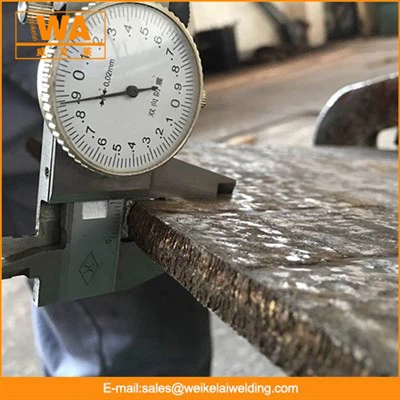
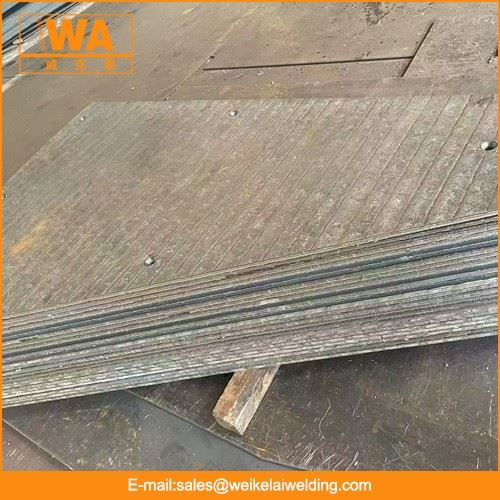
As a supplier of Metallic Wear Liners, I've witnessed firsthand the critical role these components play in various industrial applications. Metallic wear liners are indispensable in environments where equipment is exposed to high levels of abrasion, impact, and corrosion. They protect vital machinery parts, extending their lifespan and ensuring smooth operation. However, like all components, metallic wear liners eventually show signs of wear. Understanding these signs is crucial for timely replacement and maintenance, which can prevent costly downtime and equipment damage.
Surface Abrasion
One of the most obvious signs of wear in metallic wear liners is surface abrasion. This occurs when the liner comes into contact with abrasive materials such as rocks, minerals, or granular substances. Over time, the constant friction wears away the surface of the liner, reducing its thickness. You can often identify surface abrasion by visually inspecting the liner. Look for smooth, shiny areas where the material has been worn down. In severe cases, the surface may become pitted or grooved.
Surface abrasion not only affects the liner's thickness but also its performance. As the liner wears down, it loses its ability to protect the underlying equipment effectively. This can lead to increased wear on the machinery, potentially causing breakdowns and costly repairs. Regular inspection of the liner's surface can help you detect abrasion early and take appropriate action. If you notice significant surface abrasion, it may be time to consider replacing the liner. You can find high - quality Metallic Wear Liners that are designed to resist abrasion and provide long - lasting protection.
Impact Damage
In industrial settings, metallic wear liners are often subjected to high - impact forces. For example, in mining operations, large rocks or ore may fall onto the liners in chutes or conveyors. Impact damage can cause cracks, fractures, or dents in the liner. Cracks are particularly concerning as they can propagate over time, leading to complete failure of the liner.
To check for impact damage, carefully examine the liner for any visible cracks or dents. You may also notice loose pieces of the liner that have broken off due to impact. Impact - damaged liners are more likely to fail under normal operating conditions, so it's essential to address this issue promptly. If you find signs of impact damage, it's advisable to replace the liner as soon as possible. Our Chute Wear Liners are engineered to withstand high - impact forces, providing reliable protection in demanding environments.
Corrosion
Corrosion is another common form of wear in metallic wear liners, especially in environments where the liners are exposed to moisture, chemicals, or corrosive gases. Corrosion can cause the metal to rust, weaken, and eventually break down. Signs of corrosion include the presence of rust, discoloration, or a powdery substance on the surface of the liner.
The effects of corrosion can be insidious. It starts on the surface and gradually penetrates deeper into the metal, compromising its structural integrity. In some cases, corrosion can cause holes to form in the liner, rendering it ineffective. To prevent corrosion, it's important to choose the right type of metal for the specific environment. For example, stainless steel liners are more resistant to corrosion than carbon steel liners. Regular cleaning and maintenance can also help slow down the corrosion process. If you notice signs of corrosion on your metallic wear liners, it's crucial to replace them to avoid further damage to the equipment. Our Conveyor Wear Liners are available in corrosion - resistant materials to ensure long - term performance in harsh environments.
Deformation
Deformation is another sign of wear in metallic wear liners. This can occur due to high temperatures, excessive pressure, or a combination of both. For example, in high - temperature industrial processes, the liner may expand and contract, leading to warping or bending. Deformed liners may not fit properly in their designated positions, which can affect the overall performance of the equipment.
You can detect deformation by checking the liner's shape and alignment. If the liner appears to be bent, warped, or out of shape, it's a clear indication of deformation. Deformed liners can cause uneven wear on the equipment and may also lead to leaks or other operational issues. In such cases, replacing the liner is the best solution. Our metallic wear liners are manufactured to strict quality standards to resist deformation and maintain their shape under various operating conditions.
Erosion
Erosion is similar to abrasion but is typically caused by the flow of fluids or gases containing abrasive particles. In applications such as pipelines or ventilation systems, the constant flow of abrasive - laden fluids can wear away the surface of the metallic wear liner. Erosion often results in a smooth, rounded surface and can gradually thin the liner.
To identify erosion, look for areas where the liner appears to be worn in a pattern consistent with the flow of the fluid or gas. Eroded liners may also show signs of reduced thickness. If erosion is left untreated, it can lead to leaks and equipment failure. Regular inspection and replacement of eroded liners are necessary to ensure the safe and efficient operation of the equipment. We offer a wide range of metallic wear liners that are specifically designed to resist erosion in different industrial applications.
Loss of Adhesion
In some cases, metallic wear liners are attached to the underlying equipment using adhesives or mechanical fasteners. Loss of adhesion can occur over time due to factors such as vibration, temperature changes, or chemical exposure. When the liner loses adhesion, it may become loose or detached from the equipment.

You can check for loss of adhesion by gently tapping on the liner. If you hear a hollow sound or notice that the liner moves slightly, it may be a sign of poor adhesion. Loose liners can cause noise, vibration, and uneven wear on the equipment. To address this issue, you may need to re - attach the liner or replace it if the adhesion cannot be restored. Our technical team can provide guidance on the best methods for attaching metallic wear liners to ensure long - lasting adhesion.
Conclusion
Recognizing the signs of wear in metallic wear liners is essential for maintaining the efficiency and reliability of industrial equipment. By regularly inspecting your liners for surface abrasion, impact damage, corrosion, deformation, erosion, and loss of adhesion, you can detect problems early and take appropriate action. Timely replacement of worn liners can prevent costly downtime, equipment damage, and safety hazards.
As a leading supplier of metallic wear liners, we are committed to providing high - quality products that meet the diverse needs of our customers. Whether you need Conveyor Wear Liners for your material handling system or Chute Wear Liners for your mining operation, we have the right solution for you. If you have any questions about our products or need assistance with wear liner selection, please don't hesitate to contact us. We look forward to working with you to ensure the optimal performance of your industrial equipment.
References
- ASTM International. (20XX). Standards related to metallic materials and wear testing.
- Industrial Wear and Corrosion Handbook. (20XX). A comprehensive guide to wear and corrosion in industrial settings.
- Manufacturer's technical documentation on metallic wear liners.