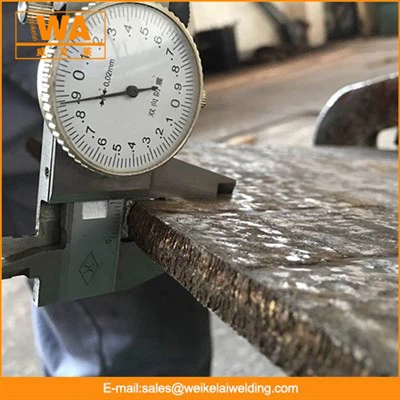
When it comes to the industrial world, metallic wear liners play a crucial role in protecting equipment and ensuring its optimal performance. As a leading supplier of Metallic Wear Liners, I understand the significance of these components and the importance of handling them safely. In this blog post, I'll share some essential safety precautions that should be taken when handling metallic wear liners.
Understanding Metallic Wear Liners
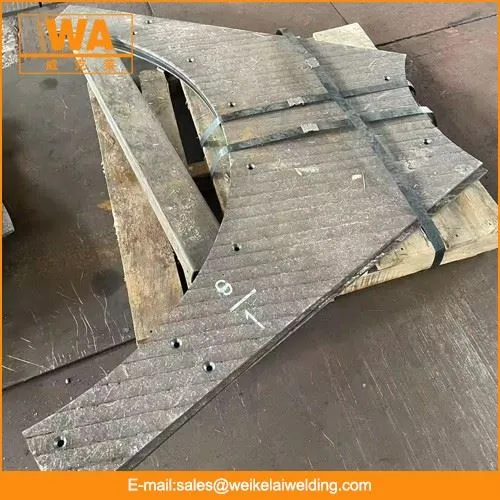
Before delving into the safety precautions, it's important to understand what metallic wear liners are. Metallic wear liners are typically made from high - quality metals such as steel, alloy, or other wear - resistant materials. They are designed to protect equipment from abrasion, impact, and corrosion. These liners are used in a wide range of industries, including mining, cement, power generation, and more. For instance, Chromium Alloy Steel Mill Liners are commonly used in ball mills to reduce the wear and tear of the mill walls, while Conveyor Wear Liners are used in conveyor systems to protect them from the harsh friction of the conveyed materials.
Personal Protective Equipment (PPE)
The first and most basic step in handling metallic wear liners safely is wearing the appropriate Personal Protective Equipment (PPE).
- Safety Gloves: Metallic wear liners can have sharp edges, which can cause cuts and lacerations. High - quality safety gloves made of puncture - resistant materials should be worn at all times. These gloves not only protect your hands from cuts but also provide a better grip on the liners, reducing the risk of dropping them.
- Safety Glasses: When handling liners, there is always a risk of small metal fragments or dust being released into the air. Safety glasses or goggles protect your eyes from these potential hazards. It is recommended to use safety glasses with side shields for maximum protection.
- Safety Boots: The weight of metallic wear liners is often significant. Safety boots with steel toes can protect your feet from being crushed if a liner accidentally falls on them. They also provide good traction, which is important when moving around in an industrial environment.
- Hearing Protection: If you are involved in the process of installing or removing the liners, and tools such as hammers or power drills are used, hearing protection like earplugs or earmuffs should be worn. Prolonged exposure to high - decibel noise can cause permanent hearing damage.
- Respiratory Protection: In some cases, handling metallic wear liners may generate dust, especially if grinding or cutting is involved. A respirator should be worn to prevent inhalation of harmful dust particles, which can cause respiratory problems such as silicosis or metal fume fever.
Lifting and Handling
Lifting heavy metallic wear liners can be a strenuous and dangerous task if not done correctly.
- Assess the Weight: Before attempting to lift a wear liner, check its weight. If the liner is too heavy to be lifted manually, use mechanical lifting equipment such as cranes, hoists, or forklifts. Over - exertion during manual lifting can lead to back injuries, muscle strains, and even fractures.
- Use Proper Lifting Techniques: If you need to lift a liner manually, use your legs instead of your back. Bend your knees, keep your back straight, and lift the liner smoothly. Avoid twisting your body while lifting, as this can put excessive stress on your spine.
- Secure the Load: When using mechanical lifting equipment, make sure the liner is properly secured. Use appropriate slings, chains, or hooks to prevent the liner from slipping or falling during the lifting process. Check the lifting equipment regularly for any signs of wear or damage.
- Clear the Path: Before moving a lifted liner, ensure that the path is clear of obstacles. This includes removing any debris, tools, or other equipment that could cause a tripping hazard. A clear path reduces the risk of accidents and ensures a smooth transfer of the liner.
Storage
Proper storage of metallic wear liners is also essential for safety.
- Choose the Right Location: Store the wear liners in a dry, well - ventilated area. Moisture can cause corrosion, which weakens the liners and reduces their effectiveness. Avoid storing them in areas prone to flooding or with high humidity.
- Stacking: When stacking the liners, ensure that the stack is stable. The bottom layer should be placed on a flat and solid surface. Do not stack the liners too high, as a tall and unstable stack can easily topple over, causing injury.
- Labeling: Clearly label the stored liners with information such as their type, size, and batch number. This not only helps in inventory management but also ensures that the correct liner is selected when needed.
Installation and Maintenance
During the installation and maintenance of metallic wear liners, safety should be a top priority.
- Follow Manufacturer's Instructions: Always follow the manufacturer's installation instructions carefully. These instructions provide specific details on how to install the liners correctly, including the use of appropriate fasteners and the correct torque settings. Incorrect installation can lead to premature failure of the liners and pose a safety risk.
- Inspect the Liners: Before installation, inspect the liners for any signs of damage or defects. Cracked, deformed, or corroded liners should not be installed, as they may not provide the required level of protection and can be a safety hazard.
- Lockout/Tagout Procedures: If the equipment where the liners are being installed or maintained is connected to a power source, use lockout/tagout procedures. This means disconnecting the power supply and applying a lock and a tag to prevent accidental energization of the equipment during the work.
- Regular Maintenance: Conduct regular maintenance checks on the installed liners. Look for signs of wear, loose fasteners, or any other issues that may affect the performance of the liners. Replace worn - out liners promptly to ensure continuous protection of the equipment.
Training
All personnel involved in handling metallic wear liners should receive proper training.
- Safety Training: Provide comprehensive safety training that covers all aspects of handling, including the use of PPE, lifting techniques, storage, installation, and maintenance. The training should be updated regularly to keep up with the latest safety standards and best practices.
- Equipment Training: Ensure that employees are trained to use the lifting and installation equipment correctly. Improper use of equipment can lead to serious accidents.
Conclusion
Handling metallic wear liners safely is of utmost importance in industrial settings. By following these safety precautions, companies can protect their employees from injuries and ensure the long - term performance of their equipment. As a supplier of high - quality metallic wear liners, I am committed to providing not only the best products but also valuable information on how to handle them safely.
If you are in the market for metallic wear liners, or if you have any questions regarding their handling and safety, I encourage you to reach out to us for a detailed discussion. Our team of experts is ready to assist you in selecting the right liners for your specific needs and providing guidance on their proper handling and installation.

References
- Industrial Safety Handbook, Third Edition. Wiley.
- OSHA Guidelines on Handling Heavy Materials.
- Manufacturer's Manuals for Metallic Wear Liners.