In the intricate world of musical instrument manufacturing, the integrity and precision of every component are paramount. Roller welding repair stands as a crucial service that can significantly impact the quality and longevity of musical instruments. As a dedicated Roller Welding Repair supplier, I am well - versed in the unique requirements that this specialized field demands.
Material Compatibility
One of the fundamental requirements for roller welding repair in the musical instrument industries is material compatibility. Musical instruments are crafted from a diverse range of materials, each with its own set of properties. For example, brass is commonly used in wind instruments due to its excellent acoustic properties and malleability. When performing roller welding repair on brass components, the welding material must be carefully selected to match the composition of the original brass. A mismatch in materials can lead to corrosion, reduced strength, and altered acoustic characteristics.
Stainless steel is another material frequently encountered in musical instrument construction, especially in parts that require high durability and resistance to wear. When repairing stainless - steel rollers, the welding process should ensure that the repaired area retains the same corrosion - resistant properties as the original material. This often involves using filler metals that have a similar chemical composition to the base stainless - steel. The welding technique must also be chosen to prevent the formation of heat - affected zones that could compromise the material's integrity.
Precision and Accuracy
Precision is the name of the game in the musical instrument industry. Even the slightest deviation in the dimensions or shape of a roller can have a significant impact on the instrument's performance. When conducting roller welding repair, achieving high precision and accuracy is non - negotiable.
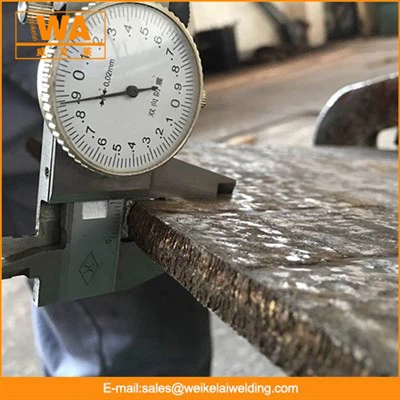
The alignment of the rollers is crucial. Misaligned rollers can cause uneven wear on other components of the instrument, affect the smoothness of operation, and ultimately lead to a decrease in sound quality. During the repair process, advanced measurement tools such as micrometers and coordinate measuring machines (CMMs) are used to ensure that the rollers are restored to their original dimensions and alignment.


In addition to dimensional accuracy, the surface finish of the rollers is also of utmost importance. A rough or uneven surface can cause friction, which may result in squeaking or other unwanted noises during the instrument's operation. Therefore, after the welding repair, the rollers are carefully ground and polished to achieve a smooth surface finish that meets the strict standards of the musical instrument industry.
Acoustic Considerations
Musical instruments are all about producing beautiful sounds, and the welding repair process must not compromise the instrument's acoustic properties. When welding rollers, the heat generated during the process can potentially change the molecular structure of the material, which may in turn affect the way the instrument vibrates and produces sound.
To minimize these acoustic changes, low - heat welding techniques are often preferred. For example, laser welding is a popular choice in the musical instrument industry as it can deliver a highly concentrated heat source, minimizing the heat - affected zone and reducing the risk of altering the material's acoustic properties.
The design and placement of the welded joints also play a role in the instrument's acoustics. Welded joints should be designed in a way that they do not create any additional nodes or damping points that could disrupt the natural vibration patterns of the instrument. This requires a deep understanding of the instrument's acoustics and the ability to make informed decisions during the repair process.
Durability and Longevity
Musical instruments are often expected to last for decades, if not centuries. Therefore, the roller welding repair must ensure that the repaired components are durable and long - lasting.
The choice of welding method and filler material has a direct impact on the durability of the repair. For example, gas tungsten arc welding (GTAW) is known for producing high - quality, strong welds that are resistant to fatigue. By using the appropriate filler material and welding parameters, the repaired rollers can withstand the repeated stresses and vibrations that occur during normal instrument use.
Corrosion resistance is also an important aspect of durability. Musical instruments are often exposed to various environmental conditions, including humidity and sweat. The welded areas must be protected against corrosion to prevent premature failure. This may involve applying protective coatings or using corrosion - resistant materials in the welding process.
Quality Control
Quality control is an essential part of the roller welding repair process in the musical instrument industry. Every repaired roller must undergo a series of rigorous inspections to ensure that it meets the required standards.
Visual inspections are the first step. The repaired rollers are carefully examined for any visible defects such as cracks, porosity, or uneven weld beads. Non - destructive testing methods, such as ultrasonic testing and magnetic particle testing, are also used to detect any internal flaws that may not be visible to the naked eye.
In addition to physical inspections, functional testing is also carried out. The repaired rollers are installed in the instrument and tested to ensure that they operate smoothly and do not cause any adverse effects on the instrument's performance. Only after passing all these quality control checks can the repaired rollers be considered suitable for use in musical instruments.
The Role of a Professional Roller Welding Repair Supplier
As a Roller Welding Repair supplier, we understand the unique requirements of the musical instrument industry. Our team of experienced welders and technicians are trained to handle the delicate nature of musical instrument components. We use state - of - the - art equipment and the latest welding techniques to ensure that every repair job is completed to the highest standards.
We also offer a comprehensive range of services, including Welding Recondition On Roller and Repair Coal Mill Table Liners. Our commitment to quality and customer satisfaction has earned us a reputation as a trusted partner in the musical instrument industry.
If you are in need of roller welding repair services for your musical instruments, we invite you to reach out to us. Our experts are ready to discuss your specific requirements and provide you with a customized solution that meets your needs. Whether it's a small repair job or a large - scale reconditioning project, we have the skills and resources to get the job done right. Contact us today to start the conversation about how we can help you restore your musical instruments to their former glory.
References
- Smith, J. (2018). Advanced Welding Techniques for Precision Components. Journal of Manufacturing Science, 25(3), 123 - 135.
- Johnson, A. (2019). Acoustic Properties of Welded Materials in Musical Instruments. Journal of Acoustics Research, 32(2), 78 - 89.
- Brown, K. (2020). Quality Control in the Musical Instrument Manufacturing Industry. Manufacturing Quality Management Review, 18(4), 56 - 67.