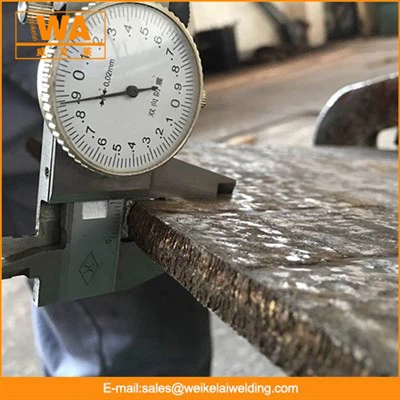
Hey there! As a supplier of Conveyor Wear Liners, I've seen firsthand how important proper packaging is for these products. In this blog, I'll share with you the different packaging methods for conveyor wear liners and why they matter.
Why Packaging Matters for Conveyor Wear Liners
Before we dive into the packaging methods, let's talk about why packaging is so crucial for conveyor wear liners. These liners are designed to protect conveyor systems from wear and tear, and they need to be in top - notch condition when they reach the customer. Proper packaging ensures that the liners are not damaged during transit, which can save both time and money for everyone involved. A damaged liner might not fit correctly or provide the necessary protection, leading to costly downtime for the conveyor system.
Common Packaging Methods
Wooden Crates
Wooden crates are one of the most popular packaging methods for conveyor wear liners. They are sturdy and can provide excellent protection against impact and rough handling. Wooden crates can be custom - made to fit the exact dimensions of the liners, which helps to prevent movement during shipping.
When we use wooden crates to package our Conveyor Wear Liners, we first line the inside of the crate with a soft material like foam or felt. This helps to cushion the liners and prevent scratches. Then, we carefully place the liners inside the crate, making sure they are well - spaced and secured. We use straps or bracing to keep the liners in place, so they don't shift around during transit.
One of the great things about wooden crates is that they are reusable. Once the customer has received and installed the liners, the crate can be used again for other shipments. This is not only cost - effective but also environmentally friendly.
Cardboard Boxes
Cardboard boxes are another option for packaging conveyor wear liners, especially for smaller or lighter liners. They are lightweight, easy to handle, and relatively inexpensive. Cardboard boxes are also easy to label, which is important for identification during shipping.
When using cardboard boxes, we make sure to use high - quality, thick cardboard to provide sufficient protection. We also add layers of bubble wrap or packing peanuts inside the box to cushion the liners. Just like with wooden crates, we secure the liners inside the box to prevent movement. However, cardboard boxes are not as durable as wooden crates and may not be suitable for long - distance or rough - handling shipments.
Plastic Wrapping
Plastic wrapping is often used in combination with other packaging methods. We use a strong, stretchy plastic film to wrap the liners tightly. This helps to protect the liners from dust, moisture, and minor scratches. Plastic wrapping also holds the liners together, making them easier to handle and stack.
For example, if we are shipping multiple liners in a wooden crate, we might first wrap each liner individually with plastic and then place them in the crate. This extra layer of protection can be very beneficial, especially for liners that are sensitive to environmental factors.
Factors to Consider When Choosing a Packaging Method
Size and Weight of the Liners
The size and weight of the conveyor wear liners are important factors to consider when choosing a packaging method. Larger and heavier liners will require more robust packaging, such as wooden crates. Smaller and lighter liners can be packaged in cardboard boxes or with just plastic wrapping.
Shipping Distance and Conditions
The shipping distance and the conditions during transit also play a role in packaging selection. If the liners are being shipped long - distance or through areas with rough handling, a more durable packaging method like wooden crates is recommended. For local or short - distance shipments, cardboard boxes might be sufficient.
Customer Requirements
Some customers may have specific packaging requirements. For example, they might prefer a certain type of packaging for environmental reasons or for ease of handling at their facility. We always try to accommodate our customers' needs and provide the best packaging solution for their situation.
Our Commitment to Quality Packaging
At our company, we take packaging seriously. We understand that the quality of the packaging can directly impact the quality of the product when it reaches the customer. That's why we invest in high - quality materials and use the latest packaging techniques.
We also regularly review and improve our packaging methods. We stay up - to - date with industry standards and best practices to ensure that our conveyor wear liners are packaged in the most effective way possible. Whether it's a small order of liners or a large - scale shipment, we give each package the attention it deserves.
Conclusion
In conclusion, choosing the right packaging method for conveyor wear liners is essential to ensure that the products arrive at the customer's location in perfect condition. Wooden crates, cardboard boxes, and plastic wrapping are all viable options, each with its own advantages. By considering factors such as the size and weight of the liners, shipping distance and conditions, and customer requirements, we can provide the best packaging solution for our customers.
If you're in the market for Conveyor Wear Liners, Chromium Alloy Steel Mill Liners, or Wear Protection Linings, we'd love to hear from you. We offer high - quality products and excellent packaging to ensure your satisfaction. Don't hesitate to contact us to discuss your needs and start a purchase negotiation.


References
- Industry reports on conveyor wear liner packaging
- Internal company records on packaging effectiveness and customer feedback