Do chute wear liners have an impact on the color of the conveyed materials?
Hey there! I'm a supplier of chute wear liners, and I've been getting a bunch of questions lately about whether these liners can actually affect the color of the materials they're transporting. It's a pretty interesting topic, so I thought I'd dive in and share what I've learned.
First off, let's talk about what chute wear liners are and why they're important. Chute wear liners are basically protective layers that are installed inside chutes to prevent them from getting worn down by the materials that pass through them. These materials can be anything from coal and ore to grains and chemicals, and they can cause a lot of damage to the chute over time. By using wear liners, you can extend the lifespan of the chute and reduce maintenance costs.
Now, back to the question at hand: Do chute wear liners have an impact on the color of the conveyed materials? The answer is, it depends. There are a few factors that can come into play, such as the type of liner material, the properties of the conveyed material, and the operating conditions of the chute.
Let's start with the type of liner material. There are several different types of chute wear liners available on the market, each with its own unique properties and characteristics. Some of the most common materials include Metallic Wear Liners, ceramic liners, rubber liners, and plastic liners.
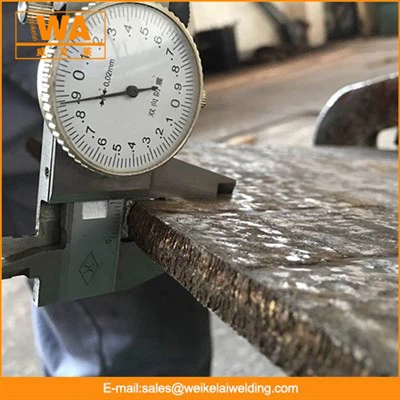
Metallic wear liners, like Chromium Alloy Steel Mill Liners, are made from metals such as steel and iron. These liners are known for their high hardness and wear resistance, but they can also be prone to corrosion. If the conveyed material is acidic or contains corrosive substances, the metallic liner may corrode over time, which can cause discoloration of the material. Additionally, if the metallic liner is scratched or damaged, it can expose the underlying metal, which can also lead to corrosion and discoloration.
Ceramic liners are made from materials such as alumina and zirconia. These liners are extremely hard and wear-resistant, and they are also resistant to corrosion and chemical attack. However, ceramic liners can be brittle and prone to cracking, especially if they are subjected to high impact or thermal stress. If a ceramic liner cracks, it can expose the underlying chute, which can cause contamination of the conveyed material and potentially affect its color.
Rubber liners are made from natural or synthetic rubber. These liners are flexible and have good shock absorption properties, which makes them ideal for applications where the conveyed material is abrasive or has a high impact. Rubber liners are also resistant to corrosion and chemical attack, but they can be affected by heat and sunlight. If the rubber liner is exposed to high temperatures or sunlight for extended periods of time, it can degrade and become brittle, which can cause it to release particles into the conveyed material and potentially affect its color.
Plastic liners are made from materials such as polyethylene and polypropylene. These liners are lightweight, flexible, and easy to install, and they are also resistant to corrosion and chemical attack. However, plastic liners can be affected by heat and UV radiation, and they can also be prone to scratching and abrasion. If a plastic liner is scratched or damaged, it can expose the underlying chute, which can cause contamination of the conveyed material and potentially affect its color.
The properties of the conveyed material can also play a role in whether chute wear liners have an impact on its color. For example, if the conveyed material is highly reactive or has a strong color, it may be more likely to interact with the liner material and cause discoloration. Additionally, if the conveyed material is moist or contains a lot of moisture, it can promote corrosion of the liner material, which can also lead to discoloration.
The operating conditions of the chute can also affect whether chute wear liners have an impact on the color of the conveyed material. For example, if the chute is operating at high temperatures or under high pressure, it can cause the liner material to degrade or wear down more quickly, which can increase the likelihood of discoloration. Additionally, if the chute is exposed to a lot of dust or debris, it can cause the liner material to become dirty or contaminated, which can also affect the color of the conveyed material.
So, what can you do to minimize the risk of chute wear liners having an impact on the color of the conveyed material? Here are a few tips:
- Choose the right liner material: When selecting a chute wear liner, it's important to choose a material that is compatible with the properties of the conveyed material and the operating conditions of the chute. For example, if the conveyed material is acidic or contains corrosive substances, you may want to consider using a ceramic or rubber liner. If the conveyed material is abrasive or has a high impact, you may want to consider using a metallic or rubber liner.
- Install the liner properly: Proper installation of the chute wear liner is essential to ensure its effectiveness and longevity. Make sure the liner is installed according to the manufacturer's instructions and that it is properly secured to the chute.
- Maintain the liner regularly: Regular maintenance of the chute wear liner can help to prevent it from becoming worn down or damaged. This includes cleaning the liner regularly to remove any dust or debris, inspecting the liner for signs of wear or damage, and replacing the liner if necessary.
- Monitor the color of the conveyed material: It's a good idea to monitor the color of the conveyed material regularly to detect any changes or discoloration. If you notice any changes in the color of the material, it's important to investigate the cause and take appropriate action to prevent further discoloration.
In conclusion, chute wear liners can have an impact on the color of the conveyed material, but the extent of the impact depends on a variety of factors. By choosing the right liner material, installing the liner properly, maintaining the liner regularly, and monitoring the color of the conveyed material, you can minimize the risk of discoloration and ensure that your chute operates efficiently and effectively.
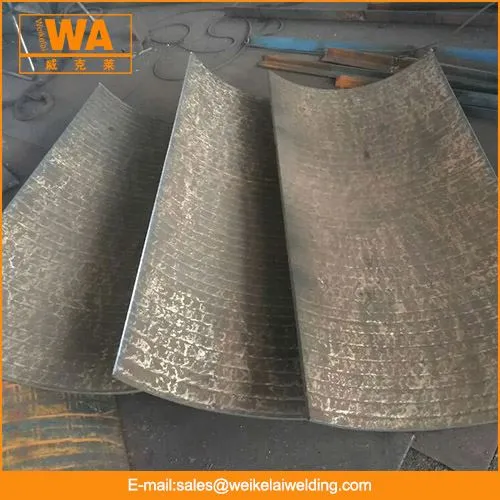

If you're in the market for chute wear liners, I'd love to chat with you. We offer a wide range of Wear Protection Linings to suit your specific needs and requirements. Whether you're looking for metallic wear liners, ceramic liners, rubber liners, or plastic liners, we've got you covered. Contact us today to learn more!
References
- "Wear Liners for Chutes and Hoppers." Martin Engineering.
- "Chute Liner Materials: A Comparison." ASGCO Corporation.
- "Factors Affecting the Color of Conveyed Materials." Industrial Minerals Association - North America.