Wear liners play a crucial role in various industries by protecting equipment from the harsh effects of abrasion, corrosion, and impact. As a wear liners supplier, I've had the privilege of working with a wide range of clients and understanding the diverse needs for different types of wear liners. In this blog, I'll delve into the different types of wear liners available in the market, their applications, and their unique features.
1. Rubber Wear Liners
Rubber wear liners are one of the most commonly used types of wear liners. They are made from high - quality rubber compounds that offer excellent resistance to abrasion, impact, and corrosion. Rubber wear liners are flexible, which allows them to conform to the shape of the equipment they are protecting. This flexibility also helps in absorbing shock and reducing noise during operation.
One of the key advantages of rubber wear liners is their ability to dampen vibrations. In industries such as mining, where heavy machinery generates a lot of vibrations, rubber liners can significantly reduce noise pollution and extend the lifespan of the equipment. They are also resistant to a wide range of chemicals, making them suitable for use in chemical processing plants.
Rubber wear liners are often used in chutes, hoppers, and conveyor systems. In chutes, they prevent material from sticking to the walls and reduce the risk of blockages. In hoppers, they protect the walls from the impact of falling materials. And in conveyor systems, they provide a smooth surface for material transfer and reduce wear on the conveyor belts.
2. Ceramic Wear Liners
Ceramic wear liners are known for their extreme hardness and excellent wear resistance. They are made from advanced ceramic materials such as alumina, silicon carbide, and zirconia. These materials have a high melting point and are highly resistant to abrasion, corrosion, and high temperatures.
Ceramic wear liners are ideal for applications where high - wear resistance is required, such as in the mining, cement, and power generation industries. In mining, they are used in ball mills, cyclones, and slurry pipelines to protect against the abrasive action of minerals and slurries. In the cement industry, ceramic liners are used in kilns and crushers to withstand the high temperatures and abrasive nature of cement production.
The high hardness of ceramic wear liners means that they can withstand the most severe wear conditions. However, they are also brittle, which means they need to be carefully installed to avoid cracking or chipping. Special installation techniques, such as using adhesives or mechanical fasteners, are often required to ensure the proper functioning of ceramic liners.
3. Chromium Alloy Steel Mill Liners
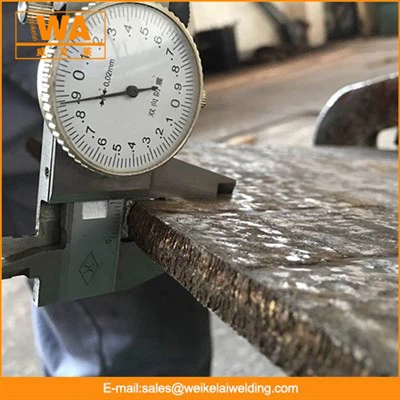
Chromium Alloy Steel Mill Liners are a popular choice for mill applications. They are made from a special alloy of steel that contains chromium, which enhances the hardness and wear resistance of the material. Chromium alloy steel mill liners are designed to withstand the high - impact and abrasive forces generated in ball mills, rod mills, and autogenous mills.
These liners have a long service life and can significantly reduce the maintenance costs associated with mill operations. They are also relatively easy to install and replace. The chromium alloy provides a hard surface that resists the abrasion caused by the grinding media and the material being processed.
In addition to their wear resistance, chromium alloy steel mill liners also have good toughness, which means they can withstand the impact forces without breaking. This makes them suitable for use in both wet and dry milling applications.
4. Chute Wear Liners
Chute Wear Liners are specifically designed to protect chutes from the wear and tear caused by the flow of materials. Chutes are used in a variety of industries, including mining, agriculture, and manufacturing, to transfer materials from one point to another.
Chute wear liners can be made from different materials, such as rubber, ceramic, and steel, depending on the specific requirements of the application. Rubber chute liners are flexible and can absorb the impact of falling materials, while ceramic chute liners offer high - wear resistance in high - abrasion applications. Steel chute liners are strong and durable and are suitable for applications where heavy - duty protection is needed.
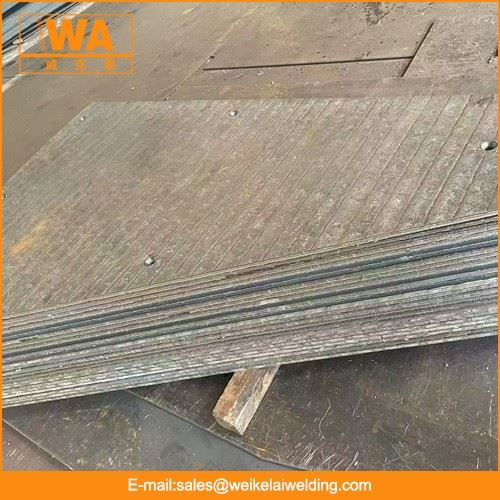

The design of chute wear liners is also important. They are often designed with a smooth surface to reduce friction and prevent material from sticking. Some chute liners also have a special profile or pattern to guide the flow of materials and improve the efficiency of the chute system.
5. Conveyor Wear Liners
Conveyor Wear Liners are used to protect conveyor belts and other components of conveyor systems from wear and damage. Conveyor systems are widely used in industries such as mining, food processing, and logistics to transport materials over long distances.
Conveyor wear liners can be made from a variety of materials, including rubber, polyurethane, and steel. Rubber conveyor liners are flexible and provide a good grip on the conveyor belt, while polyurethane liners offer excellent wear resistance and are resistant to oil and chemicals. Steel conveyor liners are strong and durable and are suitable for heavy - duty applications.
Conveyor wear liners are typically installed on the idlers, pulleys, and skirting of conveyor systems. They protect these components from the abrasive action of the materials being transported and reduce the risk of damage to the conveyor belt. By using conveyor wear liners, the lifespan of the conveyor system can be significantly extended, and maintenance costs can be reduced.
6. Polyurethane Wear Liners
Polyurethane wear liners are a versatile option that combines the properties of rubber and plastic. They are known for their high - wear resistance, flexibility, and chemical resistance. Polyurethane wear liners can be customized to meet the specific requirements of different applications.
In the food processing industry, polyurethane wear liners are popular because they are non - toxic and comply with food safety regulations. They are used in conveyor systems, chutes, and mixing tanks to protect against wear and contamination. In the mining industry, polyurethane liners are used in slurry pumps and hydrocyclones to withstand the abrasive action of slurries.
Polyurethane wear liners are also easy to install and can be cut to size on - site. They have a long service life and can be cost - effective in the long run, especially in applications where frequent replacement is required.
7. Composite Wear Liners
Composite wear liners are made by combining different materials to take advantage of their unique properties. For example, a composite wear liner may consist of a rubber base with a ceramic or steel insert. This combination allows the liner to have the flexibility of rubber and the high - wear resistance of ceramic or steel.
Composite wear liners are often used in applications where a combination of properties is required. In the power generation industry, composite liners are used in coal handling systems to protect against the abrasive action of coal and the impact of falling materials. The rubber base provides shock absorption, while the ceramic or steel insert provides wear resistance.
The design and manufacturing of composite wear liners require advanced engineering techniques to ensure the proper bonding of the different materials. However, when properly designed and installed, composite wear liners can offer superior performance compared to single - material liners.
Conclusion
As a wear liners supplier, I understand that choosing the right type of wear liner is crucial for the efficient and cost - effective operation of industrial equipment. Each type of wear liner has its own unique properties and applications, and the selection should be based on factors such as the type of material being handled, the operating conditions, and the budget.
Whether you need rubber wear liners for a chute system, ceramic wear liners for a high - temperature application, or chromium alloy steel mill liners for a ball mill, we have the expertise and products to meet your needs. If you are looking for high - quality wear liners for your industrial equipment, I encourage you to contact us for a detailed discussion about your requirements. Our team of experts will work with you to select the most suitable wear liners and provide you with a customized solution. Let's work together to protect your equipment and improve its performance.
References
- Wear Materials Handbook, Edited by various experts in the field of wear technology.
- Industrial Equipment Maintenance and Wear Protection, Published by a leading industrial research institute.
- Technical Papers on Wear Liners from international conferences on materials science and engineering.