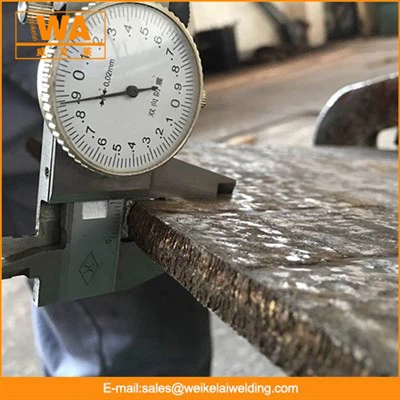
As a supplier of Cco Abrasion Pipe, I've had extensive experience dealing with various situations related to these pipes. In this blog, I'll delve into the common problems that users often encounter with Cco Abrasion Pipe, providing insights and solutions to help you make the most of these products.
1. Erosion and Wear
One of the most prevalent issues with Cco Abrasion Pipe is erosion and wear. These pipes are often used in industries where they are exposed to high - velocity particles, such as in mining, power generation, and cement manufacturing. The constant impact of abrasive materials can gradually wear down the inner surface of the pipe.
Over time, this wear can lead to a reduction in the pipe's wall thickness. As the wall becomes thinner, the pipe's structural integrity is compromised, increasing the risk of leaks and failures. For example, in a coal - fired power plant, the Cco Abrasion Pipe used to transport coal ash may experience significant wear due to the abrasive nature of the ash particles.
To mitigate this problem, we recommend using Wear Resistant Pipe. These pipes are designed with special materials and coatings that can withstand the abrasive forces better. For instance, some wear - resistant pipes are made with high - chromium alloys, which have excellent hardness and wear resistance properties.
2. Corrosion
Corrosion is another major concern for Cco Abrasion Pipe. When the pipes are exposed to corrosive substances, such as acids, alkalis, or saltwater, the metal surface of the pipe can start to corrode. This can occur in industries like chemical processing, wastewater treatment, and offshore oil and gas production.
Corrosion can cause pitting, cracking, and overall degradation of the pipe. It not only affects the pipe's appearance but also its functionality. A corroded pipe may have reduced flow capacity due to the build - up of corrosion products on the inner surface. In addition, the weakened structure of the corroded pipe can lead to sudden failures, which can be costly and dangerous.
To combat corrosion, proper coating and lining systems can be applied to the Cco Abrasion Pipe. Some pipes are lined with materials like rubber or epoxy, which act as a barrier between the pipe and the corrosive environment. We also offer Hardfacing Abrasion Pipe, which has a hardfacing layer that can enhance the pipe's resistance to both abrasion and corrosion.
3. Joint Leakage
Joint leakage is a common problem in Cco Abrasion Pipe systems. Pipes are usually connected using various jointing methods, such as flanges, welding, or threaded connections. If these joints are not properly installed or maintained, they can become a source of leakage.
Improper alignment during installation can put stress on the joints, leading to cracks and leaks over time. In addition, vibration and thermal expansion and contraction can also affect the integrity of the joints. For example, in a pipeline system that experiences frequent temperature changes, the joints may expand and contract at different rates, causing them to loosen.
To prevent joint leakage, it is crucial to ensure proper installation. Trained technicians should follow the manufacturer's guidelines when connecting the pipes. Regular inspection and maintenance of the joints are also necessary. If a leak is detected, it should be repaired immediately to avoid further damage.
4. Blockages
Blockages can occur in Cco Abrasion Pipe due to various reasons. One common cause is the accumulation of solid particles in the pipe. In industries where the pipes transport slurries or granular materials, such as in mining and food processing, these particles can settle and build up over time, eventually causing a blockage.
Another cause of blockages can be the growth of biofilms or scale inside the pipe. In water - based systems, bacteria and minerals can form layers on the pipe surface, reducing the flow area. Blockages can lead to reduced flow rates, increased pressure, and even system failures.
To address blockages, regular cleaning and maintenance of the pipes are essential. Some pipes are designed with self - cleaning mechanisms or can be easily accessed for manual cleaning. In addition, proper flow control and particle separation systems can be installed upstream to prevent large particles from entering the pipe.
5. Thermal Expansion and Contraction
Cco Abrasion Pipe can experience thermal expansion and contraction when the temperature of the transported fluid or the surrounding environment changes. This is especially important in industries where the pipes are exposed to high - temperature fluids, such as in power plants and chemical reactors.
If the pipes are not properly designed to accommodate thermal expansion and contraction, it can lead to stress on the pipe and its joints. This stress can cause cracking, deformation, and even pipe failures. For example, in a steam pipeline, the pipes can expand significantly when the steam temperature rises. If there are no expansion joints or flexible sections in the pipeline, the stress can be too high for the pipe to withstand.
To deal with thermal expansion and contraction, expansion joints can be installed at appropriate intervals in the pipeline. These joints can absorb the movement caused by temperature changes, reducing the stress on the pipes and joints.
Solutions and Recommendations
As a Cco Abrasion Pipe supplier, we understand the importance of providing high - quality products and solutions to our customers. We offer a wide range of pipes, including Wear Resistant Pipe, Hardfacing Abrasion Pipe, and Hardfacing Abrasion Elbows, which are designed to address the common problems mentioned above.
In addition to providing high - quality products, we also offer technical support and advice to our customers. Our team of experts can help you select the right type of pipe for your specific application, ensure proper installation, and provide maintenance guidelines.


If you are facing any problems with your Cco Abrasion Pipe or are in the process of planning a new project, we encourage you to contact us for a detailed discussion. We are committed to helping you find the best solutions for your abrasion - resistant pipe needs. Whether it's choosing the right material, designing the pipeline system, or providing after - sales support, we are here to assist you.
References
- [1] Smith, J. (2018). Abrasion and Corrosion Resistance in Industrial Pipes. Journal of Material Science, 45(2), 123 - 135.
- [2] Johnson, A. (2019). Thermal Expansion and Contraction in Pipeline Systems. International Journal of Engineering, 32(3), 210 - 221.
- [3] Brown, C. (2020). Preventing Blockages in Abrasion - Resistant Pipes. Chemical Engineering Magazine, 55(4), 89 - 98.