Hey there! As a hardfacing pipe supplier, I've seen firsthand the importance of getting hardfacing right. Hardfacing pipes in a workshop involves a bunch of steps and best practices to ensure the pipes are tough and durable. In this blog, I'll share some top - notch tips and techniques that I've gathered over the years.
1. Pre - Work Planning
Before you even start hardfacing, proper planning is key. First off, you need to understand the requirements of the project. What kind of environment will the pipes be used in? Is it a high - abrasion area, or maybe it'll face some corrosion? This info helps you choose the right hardfacing materials.
For example, if the pipes are going to be used in a place with a lot of abrasion, you might want to check out Wear Resistant Pipe. These pipes are designed to handle rough conditions and can be a great option for your project.
Next, measure the pipes accurately. You need to know the diameter, length, and wall thickness. This data is crucial for determining the amount of hardfacing material you'll need. A miscalculation here can lead to either running out of material in the middle of the job or having a lot of waste.
2. Surface Preparation
The surface of the pipe has to be in tip - top shape before hardfacing. Start by cleaning the pipe thoroughly. Remove any dirt, rust, oil, or paint. You can use a wire brush, sandblasting, or chemical cleaners. Sandblasting is often a great choice as it not only cleans the surface but also creates a rough texture, which helps the hardfacing material bond better.
After cleaning, inspect the pipe for any cracks or defects. If you find any, you'll need to repair them before proceeding. Cracks can weaken the hardfacing and lead to premature failure. Once the pipe is clean and free of defects, it's ready for the next step.
3. Selecting the Right Hardfacing Material
There are a bunch of hardfacing materials out there, and picking the right one depends on the application. For pipes that will face abrasion, materials like tungsten carbide or chromium carbide are popular choices. They're super hard and can withstand a lot of wear.
If corrosion is a concern, you might want to go for stainless - steel - based hardfacing materials. These materials offer good corrosion resistance while still providing some level of hardness.
Another factor to consider is the welding process. Some materials are better suited for certain welding methods. For instance, some materials work great with shielded metal arc welding (SMAW), while others are more compatible with gas tungsten arc welding (GTAW).
If you're dealing with elbows, Hardfacing Abrasion Elbows are specifically designed to handle the extra stress and wear that elbows typically face.
4. Welding Process
The welding process is where the magic happens. First, set up your welding equipment correctly. Make sure the welding machine is adjusted to the right settings based on the hardfacing material and the pipe's thickness.
When you start welding, maintain a consistent travel speed. Too fast, and the hardfacing might not bond properly. Too slow, and you could overheat the pipe and cause distortion. Keep a steady hand and a consistent angle.
Also, pay attention to the bead pattern. A good bead pattern helps distribute the hardfacing material evenly and ensures a strong bond. Overlap the beads slightly to avoid any gaps.
During the welding process, it's important to control the heat input. Excessive heat can lead to cracking and other issues. You might need to use techniques like pre - heating or post - heating to manage the temperature.
5. Post - Welding Treatment
Once the hardfacing is done, don't just call it a day. The pipes need some post - welding treatment. First, let the pipes cool down slowly. Rapid cooling can cause stress and cracking in the hardfacing.
After cooling, inspect the hardfacing for any defects. Check for cracks, porosity, or incomplete fusion. If you find any issues, you'll need to repair them.
You might also want to perform some heat treatment to improve the hardness and toughness of the hardfacing. This could involve annealing or tempering, depending on the material.
6. Quality Control
Quality control is an ongoing process throughout the hardfacing. Before starting, check the quality of the raw materials. Make sure the hardfacing material and the base pipe meet the required standards.
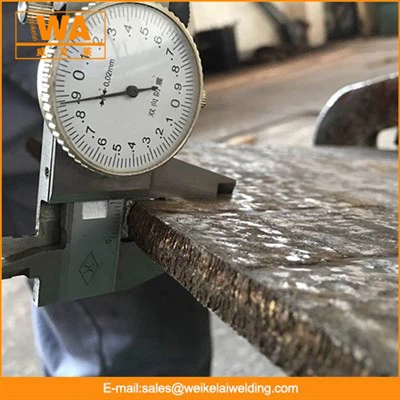
During the process, conduct regular inspections. Check the weld quality, the thickness of the hardfacing, and the bond strength. You can use non - destructive testing methods like ultrasonic testing or magnetic particle testing to detect any internal flaws.
After the post - welding treatment, perform final inspections. Measure the hardness of the hardfacing and check for any surface defects. Only release the pipes for use if they pass all the quality checks.
If you're looking for high - quality Hardfacing Abrasion Pipe, we've got you covered. Our pipes are made with the best materials and go through strict quality control.
7. Safety Measures
Safety should always be a top priority in the workshop. Wear proper protective gear, including welding helmets, gloves, and aprons. The welding process produces a lot of heat, light, and fumes, so you need to protect yourself.
Make sure the workshop is well - ventilated to get rid of the fumes. Also, have fire - extinguishing equipment nearby in case of any welding - related fires.
Train your workers on the proper handling of welding equipment and the hardfacing process. A well - trained workforce is less likely to have accidents.
8. Storage and Handling
Once the hardfacing pipes are ready, proper storage and handling are important. Store the pipes in a dry place to prevent rusting. If possible, stack them in a way that they won't get damaged.
When handling the pipes, use appropriate lifting equipment. Avoid dropping or hitting the pipes, as this can damage the hardfacing.
Contact for Procurement
If you're in the market for high - quality hardfacing pipes, we're here to help. We've got a wide range of products that are made with the best practices and materials. Whether you need wear - resistant pipes, abrasion elbows, or hardfacing abrasion pipes, we can provide them. Reach out to us to start a procurement discussion and find the perfect solution for your project.


References
-ASM Handbook Volume 6: Welding, Brazing, and Soldering.
-Oxford Handbook of Piping Engineering.
-Welding Metallurgy by John C. Lippold and David L. Kotecki.