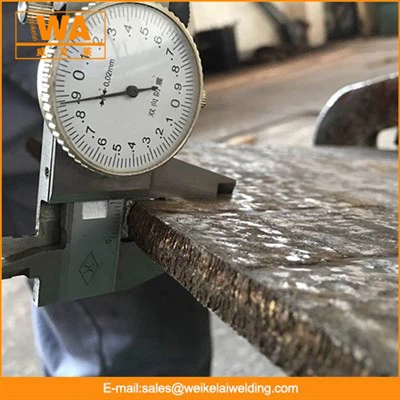
In the wood - processing industry, the efficiency and durability of equipment are of utmost importance. One often - overlooked yet highly beneficial solution is the use of bimetal wear plates. As a bimetal wear plate supplier, I have witnessed firsthand how these plates can revolutionize wood - processing operations. In this blog, I will delve into the numerous benefits of incorporating bimetal wear plates in wood - processing.
1. Exceptional Wear Resistance
Wood - processing involves a variety of abrasive processes such as cutting, sanding, and chipping. These operations subject equipment components to significant wear and tear. Bimetal wear plates are specifically designed to withstand such abrasion. They are composed of two different metals: a hard - facing alloy on the working surface and a tough backing material.
The hard - facing alloy is engineered to resist the constant friction and impact caused by wood particles. For example, when used in saw blades or chipper knives, the bimetal wear plate can significantly extend the lifespan of these tools. This is in contrast to traditional materials that may wear out quickly, leading to frequent replacements and increased downtime. According to industry studies, bimetal wear plates can offer up to 5 - 10 times longer service life compared to conventional steel plates in wood - processing applications.
If you want to learn more about the wear - resistant alloys used in these plates, you can visit Wear Resistant Alloys.


2. Improved Cutting Performance
In wood - cutting operations, the sharpness and precision of the cutting tools are crucial. Bimetal wear plates contribute to enhanced cutting performance in several ways. Firstly, the hard - facing layer maintains its sharp edge for a longer time. This means that the cuts are cleaner and more precise, reducing the need for secondary finishing operations.
Secondly, the tough backing material provides stability to the cutting edge. It prevents the blade from deflecting during the cutting process, ensuring that the wood is cut accurately along the desired line. This is especially important in high - volume wood - processing where consistency is key. For instance, in the production of furniture components, the use of bimetal wear plates in cutting tools can result in parts that fit together perfectly, improving the overall quality of the final product.
3. Cost - Effectiveness
Although the initial cost of bimetal wear plates may be higher than that of traditional materials, they offer significant cost savings in the long run. As mentioned earlier, their extended service life reduces the frequency of replacements. This not only saves on the cost of purchasing new parts but also minimizes the labor and downtime associated with changing worn - out components.
In addition, the improved cutting performance and reduced need for secondary finishing operations lead to increased productivity. With fewer interruptions and higher - quality output, wood - processing companies can produce more products in less time, ultimately increasing their profitability. For example, a medium - sized furniture manufacturing plant that switches to bimetal wear plates in its cutting equipment can expect to see a reduction in production costs by up to 20% within a year.
4. Enhanced Equipment Reliability
Wood - processing equipment operates under harsh conditions, and breakdowns can be extremely costly. Bimetal wear plates enhance the reliability of equipment by reducing the risk of component failure. Their wear - resistant properties prevent premature wear, which can lead to malfunctions and safety hazards.
For example, in a wood - chipping machine, if the chipper knives are made with bimetal wear plates, they are less likely to break or become damaged during operation. This ensures that the machine can run smoothly for longer periods, reducing the need for emergency repairs and maintenance. The reliability of equipment is also crucial for meeting production schedules and customer demands in the wood - processing industry.
5. Customizability
As a bimetal wear plate supplier, I understand that different wood - processing applications have unique requirements. Bimetal wear plates can be customized to meet these specific needs. The composition of the hard - facing alloy and the backing material can be adjusted to optimize performance for different types of wood and processing operations.
For instance, if the wood - processing involves cutting hard - wood species, a bimetal wear plate with a higher concentration of carbide in the hard - facing layer can be used to provide even greater wear resistance. On the other hand, for applications where impact resistance is more important, the backing material can be selected to have better toughness. You can find more information about custom - made hardfacing wear plates on Hardfacing Wear Plate.
6. Resistance to Corrosion
Wood - processing environments can be humid, which can lead to corrosion of equipment components. Bimetal wear plates can be designed to have excellent corrosion resistance. The hard - facing alloy can be formulated to resist the effects of moisture and chemicals commonly found in wood - processing operations.
This is particularly important for equipment that is exposed to the elements or used in outdoor wood - processing facilities. For example, in a sawmill located in a coastal area where the air is salty and humid, bimetal wear plates on the saw blades can prevent rusting and maintain their performance over time. If you are interested in a type of bimetal wear plate with high corrosion resistance, the Chromium Carbide Plate is a great option.
Contact for Purchase and Discussion
The benefits of using bimetal wear plates in wood - processing are clear. They offer exceptional wear resistance, improved cutting performance, cost - effectiveness, enhanced equipment reliability, customizability, and corrosion resistance. If you are in the wood - processing industry and are looking to upgrade your equipment or improve your production processes, I encourage you to consider using bimetal wear plates.
I am more than happy to discuss your specific needs and provide you with the best solutions. Whether you need small - scale plates for a workshop or large - scale industrial applications, I can offer the right products at competitive prices. Please feel free to reach out to me to start a conversation about how bimetal wear plates can transform your wood - processing operations.
References
- Industry reports on wear - resistant materials in wood - processing
- Case studies of wood - processing companies using bimetal wear plates
- Technical specifications of bimetal wear plates from leading manufacturers