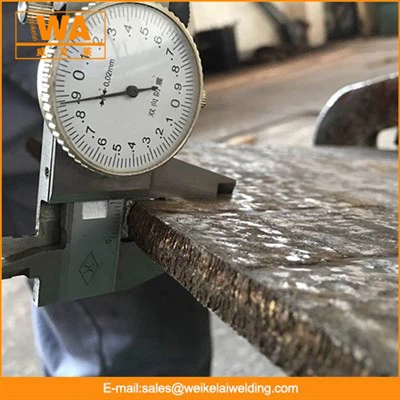
Are there any restrictions on the use of bent cladding pipes? Well, that's a question I get asked a lot as a bent cladding pipe supplier. In this blog, I'll share some insights based on my experience in the industry.
First off, let's talk about what bent cladding pipes are. These pipes are essentially regular pipes that have been bent and then clad with a special material. The cladding is usually done to enhance the pipe's performance in specific environments. For example, it can improve the pipe's resistance to abrasion, corrosion, or high temperatures.
Now, to answer the big question: Are there restrictions on their use? The short answer is yes, but it depends on several factors.
1. Environmental Conditions
One of the main restrictions on the use of bent cladding pipes is the environmental conditions. If the pipe is going to be used in an extremely corrosive environment, the cladding material needs to be able to withstand that corrosion. For instance, in a chemical plant where there are high levels of acids or alkalis, a cladding material with high chemical resistance is required. Otherwise, the cladding may deteriorate over time, reducing the pipe's performance and lifespan.
Similarly, in high - temperature environments, like in a power plant boiler, the cladding must be able to maintain its integrity at elevated temperatures. Some cladding materials may start to lose their properties or even melt at high temperatures, which can lead to pipe failure.
2. Pressure and Flow Requirements
Another important factor is the pressure and flow requirements of the system. Bent cladding pipes are often used in systems where fluids or gases are being transported under pressure. If the pressure is too high, the pipe may experience stress that can cause the cladding to delaminate from the base pipe.
Also, the flow rate of the fluid or gas in the pipe matters. High - velocity flows can cause erosion of the cladding, especially if the cladding material is not designed to handle such high - speed impacts. For example, in a mining operation where slurries are being pumped through the pipes, the high - velocity slurry can quickly wear down the cladding if it's not abrasion - resistant enough.
3. Compatibility with Other Components
Bent cladding pipes need to be compatible with other components in the system. For example, if the pipe is going to be connected to valves or fittings, the cladding material should not react with the materials of these components. Otherwise, it can lead to corrosion or other forms of degradation at the connection points.


4. Regulatory Requirements
There are also regulatory requirements that can restrict the use of bent cladding pipes. In some industries, like the oil and gas industry, there are strict regulations regarding the materials and construction of pipes. The cladding material must meet certain standards in terms of its chemical composition, mechanical properties, and manufacturing processes.
Now, let's take a look at some of the benefits of using bent cladding pipes despite these restrictions.
Benefits of Bent Cladding Pipes
- Enhanced Durability: The cladding provides an extra layer of protection, which can significantly increase the pipe's lifespan. This is especially important in applications where the pipes are exposed to harsh conditions.
- Improved Performance: By choosing the right cladding material, the pipe can perform better in terms of abrasion resistance, corrosion resistance, and temperature resistance.
- Cost - Effectiveness: In the long run, using bent cladding pipes can be more cost - effective. Since they last longer, there is less need for frequent pipe replacements, which can save on maintenance and replacement costs.
If you're in the market for bent cladding pipes, you might also be interested in related products like Cco Abrasion Pipe, Abrasion Resistant Elbows, and Wear Resistant Pipe. These products can complement your bent cladding pipe system and provide even better performance in your specific application.
In conclusion, while there are restrictions on the use of bent cladding pipes, understanding these restrictions and choosing the right pipe and cladding material for your application can help you get the most out of these pipes. If you have any questions about bent cladding pipes or need help choosing the right product for your project, don't hesitate to reach out. I'm here to assist you in making the best decision for your needs. Whether it's determining the right cladding material for your environmental conditions or ensuring compatibility with your existing system, I've got the expertise to guide you through the process.
If you're interested in purchasing bent cladding pipes or any of the related products I mentioned, feel free to contact me for a detailed discussion. We can talk about your specific requirements, and I'll do my best to provide you with a solution that meets your needs and budget.
References
- Pipe Engineering Handbook
- Industrial Pipe Materials and Applications Journal
- Regulatory Guidelines for Pipe Manufacturing in the Oil and Gas Industry