Wear resistant alloys play a crucial role in the chemical industry, where equipment is often exposed to harsh environments that can cause significant wear and tear. As a supplier of Wear Resistant Alloys, I've seen firsthand how these materials can transform the performance and longevity of industrial equipment. In this blog, I'll explore the various applications of wear-resistant alloys in the chemical industry and explain why they're such a valuable asset.
Chemical Processing Equipment
In chemical processing plants, a wide range of equipment is used to handle corrosive and abrasive substances. Reactors, mixers, pumps, and valves are just a few examples of components that are constantly exposed to chemicals, high temperatures, and pressures. Wear-resistant alloys are essential for protecting these components from damage and ensuring their reliable operation.
One of the most common wear-resistant alloys used in chemical processing is Wear Resistant Stainless Steel. This type of alloy combines the corrosion resistance of stainless steel with the high hardness and wear resistance needed to withstand the harsh conditions in chemical plants. Wear-resistant stainless steel is often used in the construction of reactors, storage tanks, and piping systems, where it provides excellent protection against corrosion and erosion.


Another popular choice for chemical processing equipment is Chromium Carbide Coating. Chromium carbide coatings are applied to the surface of metal components to provide a hard, wear-resistant layer that can withstand extreme abrasion and corrosion. These coatings are commonly used on pumps, valves, and other components that come into contact with abrasive slurries or corrosive chemicals.
Conveying and Handling Systems
In the chemical industry, materials such as powders, granules, and liquids need to be transported and handled efficiently. Conveying and handling systems, such as belt conveyors, screw conveyors, and pneumatic conveying systems, are used to move these materials from one location to another. However, these systems are often subject to wear and damage caused by the abrasive nature of the materials being transported.
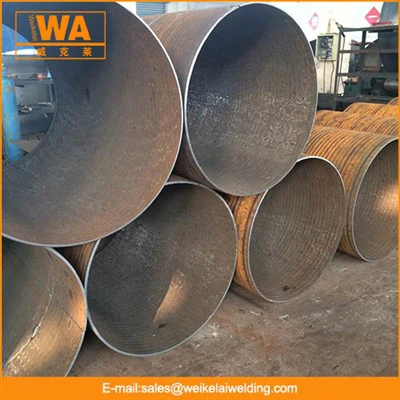
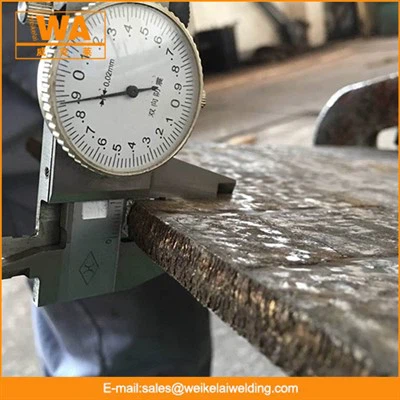
Wear-resistant alloys are used in the construction of conveying and handling systems to reduce wear and extend the lifespan of the equipment. For example, Overlay Wear Plate is a popular choice for lining the interior of conveyor chutes and hoppers. Overlay wear plates are made by welding a layer of wear-resistant alloy onto a base plate, providing a durable and cost-effective solution for protecting against abrasion.
Another application of wear-resistant alloys in conveying and handling systems is in the manufacture of conveyor belts and chains. These components are often exposed to high levels of friction and wear, which can lead to premature failure. By using wear-resistant alloys in the manufacturing process, the lifespan of conveyor belts and chains can be significantly extended, reducing downtime and maintenance costs.
Grinding and Milling Equipment
Grinding and milling are important processes in the chemical industry, used to reduce the particle size of raw materials and improve their reactivity. However, these processes generate a lot of heat and friction, which can cause significant wear and damage to the equipment.
Wear-resistant alloys are used in the construction of grinding and milling equipment to withstand the high levels of wear and tear. For example, ball mills, which are commonly used for grinding and mixing chemicals, often use Anti Wear Steel liners to protect the interior of the mill from abrasion. Anti-wear steel liners are designed to be highly resistant to wear and impact, ensuring the long-term performance of the mill.
In addition to liners, wear-resistant alloys are also used in the manufacture of grinding balls and media. These components are used to grind and crush the raw materials in the mill, and they need to be able to withstand the high forces and abrasion generated during the grinding process. By using wear-resistant alloys in the manufacturing of grinding balls and media, the efficiency and productivity of the grinding process can be improved.
Benefits of Using Wear Resistant Alloys in the Chemical Industry
The use of wear-resistant alloys in the chemical industry offers several benefits, including:
- Increased Equipment Lifespan: Wear-resistant alloys can significantly extend the lifespan of industrial equipment, reducing the need for frequent replacements and repairs. This can lead to substantial cost savings over the long term.
- Improved Performance: By reducing wear and tear, wear-resistant alloys can improve the performance and efficiency of industrial equipment. This can result in increased productivity and reduced downtime.
- Enhanced Safety: Equipment that is protected by wear-resistant alloys is less likely to fail or malfunction, reducing the risk of accidents and injuries in the workplace.
- Cost-Effectiveness: Although wear-resistant alloys may have a higher upfront cost than traditional materials, their long lifespan and improved performance can make them a cost-effective solution in the long run.
Conclusion
Wear-resistant alloys are an essential component in the chemical industry, providing protection against wear, corrosion, and abrasion in a wide range of applications. As a supplier of Wear Resistant Alloys, I'm committed to providing high-quality materials that meet the specific needs of my customers in the chemical industry.
If you're looking for a reliable supplier of wear-resistant alloys for your chemical processing equipment, conveying and handling systems, or grinding and milling equipment, I'd love to hear from you. Contact me today to discuss your requirements and find the best solution for your business.