In the realm of desalination plants, the integrity and longevity of pipes are of utmost importance. Desalination is a complex process that involves the removal of salt and other impurities from seawater or brackish water to produce freshwater. The pipes in these plants are constantly exposed to harsh conditions, including high pressure, corrosive substances, and abrasive particles. This raises the question: Can hardfacing be used in desalination plant pipes? As a hardfacing pipe supplier, I am well - versed in the properties and applications of hardfacing, and I believe it holds great potential for desalination plant infrastructure.


Understanding Hardfacing
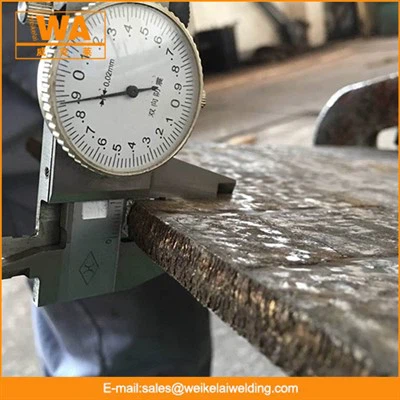
Hardfacing is a process of applying a hard, wear - resistant material to the surface of a base metal. This is typically done through welding, thermal spraying, or other deposition techniques. The hardfacing material can vary, but common choices include alloys of tungsten carbide, chromium carbide, and nickel - based alloys. These materials possess excellent hardness, corrosion resistance, and abrasion resistance properties.
The primary purpose of hardfacing is to protect the base metal from wear, corrosion, and erosion. By adding a layer of hardfacing material, the service life of pipes can be significantly extended, reducing maintenance costs and downtime in the long run.
Challenges in Desalination Plant Pipes
Desalination plant pipes face several challenges that make them prone to degradation. Firstly, the seawater or brackish water used in the desalination process contains a high concentration of salts, which are highly corrosive. Over time, the corrosion can lead to the thinning of the pipe walls, eventually causing leaks and failures.
Secondly, the desalination process often involves the use of high - pressure pumps and flow control systems. The high - velocity flow of water inside the pipes can cause erosion, especially at bends and elbows where the flow changes direction. The impact of high - velocity water and the presence of abrasive particles in the water can quickly wear down the pipe surface.
How Hardfacing Can Address These Challenges
Corrosion Resistance
Hardfacing materials such as nickel - based alloys are known for their excellent corrosion resistance. When applied to the inner surface of desalination plant pipes, they form a protective barrier that prevents the corrosive seawater from coming into direct contact with the base metal. For example, Inconel, a popular nickel - based alloy used in hardfacing, has a high chromium content, which forms a passive oxide layer on the surface. This layer acts as a shield against corrosion, significantly reducing the degradation rate of the pipes.
Abrasion Resistance
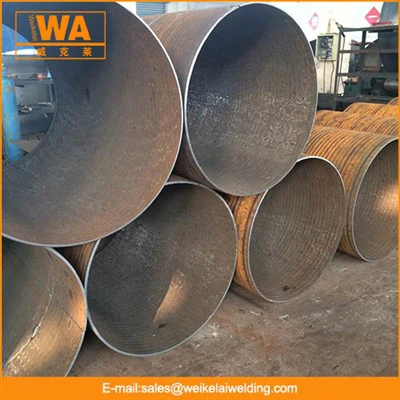
The presence of abrasive particles in seawater, such as sand and silt, can cause significant wear on the pipe walls. Hardfacing materials like tungsten carbide and chromium carbide are extremely hard and can withstand the abrasive action of these particles. A Hardfacing Abrasion Pipe with a layer of tungsten carbide hardfacing can resist the erosive effect of high - velocity water carrying abrasive particles, ensuring the pipes remain intact for a longer period.
Erosion at Bends and Elbows
Bends and elbows in desalination plant pipes are particularly vulnerable to erosion due to the change in flow direction. Hardfacing Abrasion Elbows can be custom - made with a thick layer of hardfacing material to withstand the increased erosion in these areas. By using hardfacing technology, we can improve the durability of pipe elbows and reduce the frequency of replacements.
Types of Hardfacing Pipes Suitable for Desalination Plants
Bent Cladding Pipe
Bent or curved pipes are often used in desalination plants to navigate around equipment and structures. A Bent Cladding Pipe that has been hardfaced can maintain its integrity even under the stress of bending and the erosive flow conditions. The hardfacing layer on a bent pipe protects against both corrosion and abrasion, ensuring reliable performance in the complex piping systems of desalination plants.
Cco Abrasion Pipe
The Cco Abrasion Pipe is designed with a specific hardfacing composition that provides outstanding abrasion resistance. In desalination plants where the water may contain a high level of abrasive particles, this type of pipe is an ideal choice. The hardfacing applied to the Cco Abrasion Pipe increases its resistance to wear, making it suitable for long - term use in a harsh environment.
Wear Resistant Pipe
As the name suggests, Wear Resistant Pipe is engineered to withstand the rigors of constant exposure to abrasive and corrosive substances. Made with a carefully selected hardfacing material, this pipe can provide a cost - effective solution for desalination plants. It reduces the need for frequent pipe replacements, thereby lowering the overall operational costs of the plant.
Installation and Maintenance Considerations
When installing hardfacing pipes in a desalination plant, it is crucial to ensure proper welding and fitting. The hardfacing layer should be applied evenly and without any defects to maintain its protective properties. Skilled welders and technicians should carry out the installation process to guarantee the integrity of the pipes.
In terms of maintenance, hardfacing pipes still require regular inspections. Although the hardfacing layer significantly extends the service life of the pipes, over time, it may experience some wear and tear. Inspection techniques such as ultrasonic testing and visual inspections can be used to detect any signs of damage or degradation. If any issues are identified, timely repairs can be made to prevent further damage.
Cost - Benefit Analysis
The initial cost of hardfacing pipes may be higher compared to traditional pipes. However, when considering the long - term benefits, the investment is worthwhile. By reducing the frequency of pipe replacements, minimizing maintenance costs, and decreasing downtime due to pipe failures, hardfacing pipes can lead to significant cost savings in the lifetime of a desalination plant.
Conclusion
In conclusion, hardfacing can indeed be used in desalination plant pipes with great success. The unique properties of hardfacing materials, including corrosion resistance, abrasion resistance, and erosion resistance, make them well - suited to the harsh conditions found in desalination plants. As a hardfacing pipe supplier, I offer a wide range of hardfacing pipes, such as Bent Cladding Pipe, Cco Abrasion Pipe, Hardfacing Abrasion Pipe, Wear Resistant Pipe, and Hardfacing Abrasion Elbows, which are designed to meet the specific needs of desalination plant applications.
If you are involved in the operation or construction of a desalination plant and are interested in exploring the use of hardfacing pipes, I encourage you to reach out for a detailed discussion. We can work together to find the most suitable hardfacing solutions for your project, ensuring the reliability and efficiency of your desalination plant's piping system.