

Hey there! As a wear-resistant pipe supplier, I've been getting a lot of questions about the acoustic properties of these pipes. So, I thought I'd take a few minutes to share what I know.
First off, let's talk about what we mean by acoustic properties. In simple terms, these are the characteristics of a material that affect how sound waves interact with it. For wear-resistant pipes, this can have some pretty important implications, especially in industries where noise control is a big deal.
One of the key acoustic properties of wear-resistant pipes is their ability to absorb sound. When sound waves hit the surface of a pipe, some of the energy is reflected back, and some is absorbed. The amount of absorption depends on a few factors, including the material the pipe is made of, its thickness, and its internal structure.
Wear-resistant pipes are often made from materials like ceramic, metal alloys, or composite materials. These materials have different acoustic properties, which can affect how well they absorb sound. For example, ceramic pipes tend to be very good at absorbing high-frequency sound waves, while metal alloy pipes may be better at absorbing low-frequency waves.
Another important factor is the thickness of the pipe. Generally speaking, thicker pipes will absorb more sound than thinner ones. This is because the extra material provides more opportunities for the sound waves to be absorbed and dissipated. However, there's a trade-off here, as thicker pipes can also be heavier and more expensive.
The internal structure of the pipe can also play a role in its acoustic properties. For example, pipes with a smooth inner surface may reflect more sound than those with a rough or textured surface. This is because the rough surface helps to scatter the sound waves, reducing their intensity.
So, why does all this matter? Well, in industries like mining, construction, and manufacturing, wear-resistant pipes are often used in environments where noise levels can be very high. Excessive noise can not only be a nuisance for workers, but it can also lead to hearing damage over time. By choosing pipes with good acoustic properties, companies can help to reduce noise levels and create a safer, more comfortable work environment.
In addition to noise control, the acoustic properties of wear-resistant pipes can also affect their performance in other ways. For example, in some applications, such as fluid transportation, sound waves can cause vibrations in the pipe. These vibrations can lead to fatigue and damage over time, reducing the lifespan of the pipe. By choosing pipes that are good at absorbing sound, companies can help to reduce these vibrations and extend the life of their pipes.

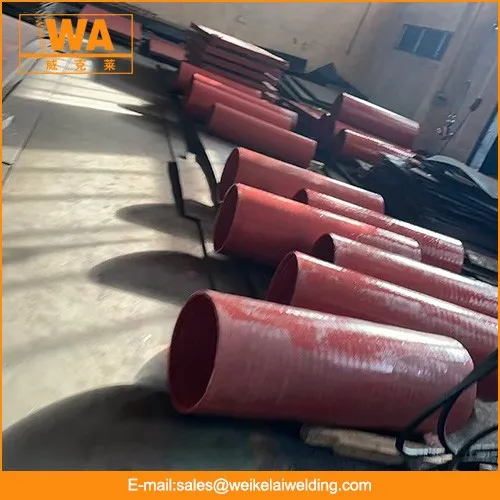
Now, let's take a look at some of the specific types of wear-resistant pipes we offer and their acoustic properties.
Our Wear Resistant Straight Pipe is made from a high-quality metal alloy that provides excellent wear resistance and good acoustic properties. The alloy is designed to absorb a wide range of sound frequencies, making it suitable for use in a variety of applications. The straight design of the pipe also helps to reduce turbulence and noise, further improving its acoustic performance.
Our Cco Abrasion Pipe is another popular option. This pipe is lined with a ceramic material that provides exceptional wear resistance and good sound absorption. The ceramic lining helps to reduce the reflection of sound waves, making the pipe quieter to operate. The Cco Abrasion Pipe is also available in a variety of sizes and configurations, making it suitable for a wide range of applications.
Finally, our Bent Cladding Pipe is a great choice for applications where the pipe needs to be bent or curved. The pipe is clad with a wear-resistant material that provides excellent protection against abrasion and corrosion. The cladding also helps to improve the acoustic properties of the pipe, reducing noise levels and vibrations.
So, there you have it! A brief overview of the acoustic properties of wear-resistant pipes. If you're in the market for wear-resistant pipes and have any questions about their acoustic properties or any other aspect of our products, please don't hesitate to get in touch. We're always happy to help and can provide you with more detailed information and advice. Whether you're looking to reduce noise levels in your workplace or improve the performance of your pipes, we've got the solutions you need.
References
- Some general acoustics textbooks that explain the basic principles of sound absorption and reflection in materials.
- Industry reports on the use of wear-resistant pipes in noise-sensitive environments.





