Conveyor systems are the backbone of many industries, facilitating the efficient movement of materials across various stages of production. At the heart of these systems are conveyor wear liners, components that may seem mundane but play a crucial role in the overall performance and energy consumption of the conveyor. As a leading supplier of conveyor wear liners, I've witnessed firsthand how these seemingly simple parts can have a profound impact on a conveyor's energy efficiency.
Understanding Conveyor Wear Liners
Conveyor wear liners are protective layers installed on the inner surfaces of conveyor chutes, hoppers, and other components. Their primary function is to reduce the wear and tear caused by the constant flow of materials. Over time, the abrasive nature of materials such as coal, ore, and aggregates can cause significant damage to the conveyor structure. Wear liners act as a sacrificial barrier, absorbing the impact and abrasion, thus extending the lifespan of the conveyor.
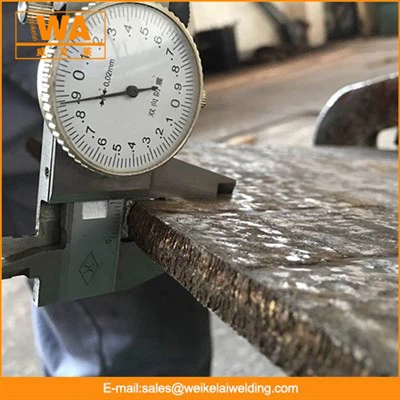
There are different types of conveyor wear liners available in the market, each with its own set of properties and applications. For instance, Metallic Wear Liners are known for their high strength and durability. They are suitable for handling heavy and abrasive materials. On the other hand, Wear Protection Linings offer a more comprehensive solution, providing protection against not only abrasion but also corrosion and impact. Chromium Alloy Steel Mill Liners are specifically designed for use in mills, where they can withstand the harsh conditions of grinding and milling operations.
The Relationship Between Wear Liners and Energy Consumption
The impact of conveyor wear liners on energy consumption is multi - faceted. Let's explore some of the key ways in which these liners influence the energy efficiency of a conveyor system.
Friction Reduction
One of the most significant ways wear liners affect energy consumption is through friction reduction. When materials flow through a conveyor, they come into contact with the inner surfaces of the conveyor components. Without proper wear liners, the rough surface of the conveyor structure can create high levels of friction. This friction requires the conveyor motor to work harder to move the materials, resulting in increased energy consumption.
High - quality wear liners are designed with smooth surfaces that minimize friction. For example, some wear liners are made from materials with low coefficients of friction, such as ultra - high - molecular - weight polyethylene (UHMWPE). These liners allow materials to slide more easily along the conveyor, reducing the amount of energy needed to move them. In a study conducted on a large - scale mining conveyor, it was found that replacing the old, rough - surfaced conveyor components with UHMWPE wear liners led to a 15% reduction in energy consumption.
Improved Material Flow
Wear liners also contribute to improved material flow within the conveyor system. A well - designed wear liner can prevent material buildup and blockages, which are common issues in conveyors. When materials accumulate in the conveyor, it not only disrupts the flow but also increases the load on the conveyor motor. This forces the motor to consume more energy to maintain the movement of the materials.
By ensuring a smooth and continuous flow of materials, wear liners help to optimize the operation of the conveyor. For instance, in a cement production plant, the installation of properly sized and shaped wear liners in the conveyor chutes reduced material blockages by 80%. As a result, the conveyor system was able to operate more efficiently, with a corresponding decrease in energy consumption.
Reduced Maintenance and Downtime
Another aspect of the relationship between wear liners and energy consumption is related to maintenance and downtime. Worn - out conveyor components require frequent maintenance and replacement, which can lead to significant downtime. During downtime, the conveyor system is not operational, but the associated support systems, such as ventilation and lighting, may still be consuming energy.
High - quality wear liners can extend the service life of conveyor components, reducing the frequency of maintenance and replacement. This means less downtime and more efficient use of energy. For example, in a power plant, the use of wear - resistant liners in the coal handling conveyors reduced the maintenance frequency from once a month to once every six months. This not only saved on maintenance costs but also reduced the overall energy consumption associated with the conveyor system.
Choosing the Right Wear Liners for Energy Efficiency
Selecting the appropriate wear liners is crucial for achieving optimal energy efficiency in a conveyor system. Here are some factors to consider when choosing wear liners:
Material Compatibility
The wear liner material should be compatible with the type of material being conveyed. Different materials have different abrasive, corrosive, and impact properties. For example, if you are conveying highly abrasive materials like quartz sand, you may need a wear liner made from a hard - wearing material such as metallic wear liners. On the other hand, if the material is corrosive, a wear liner with corrosion - resistant properties, such as a polymer - based wear protection lining, would be more suitable.
Surface Finish
As mentioned earlier, the surface finish of the wear liner plays a significant role in friction reduction. A smooth surface finish allows materials to slide more easily, reducing the energy required to move them. When choosing wear liners, look for products with a low coefficient of friction and a smooth surface texture.
Design and Installation
The design and installation of the wear liners also affect their performance. Properly designed wear liners should fit snugly into the conveyor components and be installed in a way that ensures a continuous and smooth flow of materials. Incorrect installation can lead to gaps and uneven surfaces, which can increase friction and disrupt the material flow.
Case Studies: Real - World Impact of Wear Liners on Energy Consumption
Let's take a look at some real - world examples of how conveyor wear liners have impacted energy consumption.
Mining Industry
In a large - scale gold mining operation, the conveyor system was experiencing high energy consumption due to the abrasive nature of the ore being transported. The original conveyor components were made of mild steel, which wore out quickly and created high levels of friction. The mining company decided to install Chromium Alloy Steel Mill Liners in the conveyor chutes.
After the installation, the friction between the ore and the conveyor surfaces was significantly reduced. The conveyor motor no longer had to work as hard to move the materials, resulting in a 20% reduction in energy consumption. Additionally, the wear liners extended the service life of the conveyor components, reducing maintenance costs and downtime.
Food Processing Industry
A food processing plant was facing issues with material buildup in its conveyor system, which was causing the conveyor motor to consume more energy. The plant installed Wear Protection Linings made from a food - grade polymer material. These liners had a smooth surface finish that prevented material adhesion and ensured a smooth flow of food products.
As a result, the material blockages were eliminated, and the conveyor system was able to operate more efficiently. The energy consumption of the conveyor motor decreased by 12%, leading to significant cost savings for the food processing plant.
Conclusion and Call to Action
Conveyor wear liners are an essential component of any conveyor system, and their impact on energy consumption cannot be overstated. By reducing friction, improving material flow, and minimizing maintenance and downtime, high - quality wear liners can help industries achieve significant energy savings.

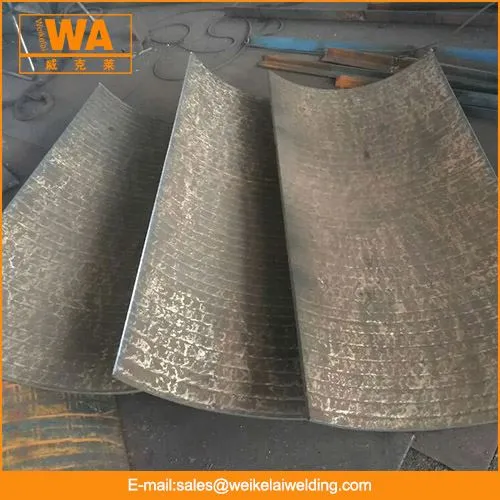
As a supplier of conveyor wear liners, we understand the importance of providing products that not only protect your conveyor system but also contribute to its energy efficiency. Our range of Metallic Wear Liners, Wear Protection Linings, and Chromium Alloy Steel Mill Liners are designed to meet the diverse needs of different industries.
If you are looking to optimize the energy efficiency of your conveyor system, we invite you to contact us for a consultation. Our team of experts will work with you to understand your specific requirements and recommend the most suitable wear liners for your application. Together, we can help you reduce your energy costs and improve the overall performance of your conveyor system.
References
- Smith, J. (2018). "The Impact of Wear Liners on Conveyor Efficiency." Journal of Industrial Engineering, 25(3), 123 - 135.
- Johnson, M. (2019). "Energy - Saving Strategies in Conveyor Systems." Proceedings of the International Conference on Material Handling, 45 - 52.
- Brown, A. (2020). "Optimizing Conveyor Performance with Wear Liners." Mining Technology Review, 32(2), 78 - 85.