Hey there! As a supplier of Metallic Wear Liners, I've seen firsthand how crucial it is to know how to replace worn-out metallic wear liners. In this blog post, I'm gonna share some practical steps and tips to help you through the process.
Why Replace Worn-Out Metallic Wear Liners?
First off, let's talk about why replacing worn-out liners is so important. Metallic wear liners are used in a variety of industries, like mining, cement production, and power generation. They protect equipment from abrasion, impact, and corrosion. When these liners get worn out, they lose their ability to do their job effectively. This can lead to increased maintenance costs, reduced equipment lifespan, and even production downtime. So, replacing them in a timely manner is a no-brainer.
Step 1: Inspection
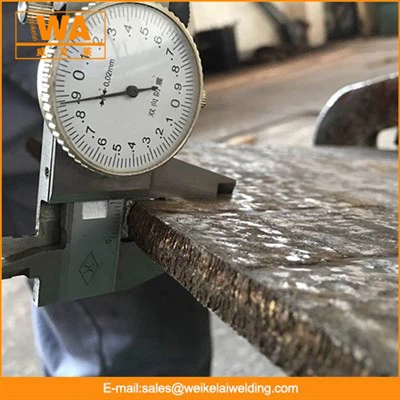
The first step in replacing worn-out metallic wear liners is to conduct a thorough inspection. You need to figure out which liners are worn out and to what extent. Look for signs of excessive wear, such as thinning, cracks, or holes. You can use tools like calipers to measure the thickness of the liners and see if they've reached the end of their useful life.
It's also a good idea to check the surrounding equipment for any damage that might have been caused by the worn liners. For example, if the liners in a mill are worn out, the mill's shell or other components might have been affected. Identifying these issues early on can save you a lot of headaches down the road.
Step 2: Planning
Once you've identified the worn-out liners, it's time to plan the replacement. This involves a few key steps. First, you need to order the new liners. As a Metallic Wear Liners supplier, I can tell you that it's important to choose the right type of liner for your application. For example, if you're in the mining industry, you might need Chromium Alloy Steel Mill Liners that are designed to withstand high levels of abrasion.
You also need to plan the installation process. Figure out how long it will take, what tools and equipment you'll need, and how many people will be involved. Make sure you have a clear schedule and that everyone involved knows their roles and responsibilities.
Step 3: Preparation
Before you start the actual replacement, you need to prepare the work area. This includes shutting down the equipment and making sure it's safe to work on. You should also clean the area where the new liners will be installed to remove any dirt, debris, or old liner material.
If the liners are being replaced in a confined space, like a hopper or a chute, you might need to set up ventilation to ensure a safe working environment. You should also have all the necessary tools and equipment on hand, such as wrenches, drills, and lifting devices.


Step 4: Removal
Now it's time to remove the worn-out liners. This can be a tricky process, especially if the liners are tightly fitted or have been in place for a long time. You might need to use tools like pry bars or cutting torches to remove them.
Be careful not to damage the surrounding equipment during the removal process. If the liners are attached with bolts, make sure you keep track of the bolts and their locations so you can reinstall them correctly later.
Step 5: Installation
Once the old liners are removed, it's time to install the new ones. Start by positioning the new liners in place. Make sure they fit properly and are aligned correctly. You might need to make some adjustments to ensure a snug fit.
If the liners are attached with bolts, insert the bolts and tighten them to the specified torque. If they're welded, make sure the welds are strong and of good quality. Follow the manufacturer's instructions carefully during the installation process to ensure the liners are installed correctly.
Step 6: Testing
After the new liners are installed, it's important to test the equipment to make sure everything is working properly. Start the equipment and run it for a short period of time to check for any leaks, vibrations, or other issues. If you notice any problems, stop the equipment immediately and make the necessary adjustments.
Tips for a Successful Replacement
- Use the right tools: Using the right tools for the job can make the replacement process much easier and safer. Make sure you have all the necessary tools and that they're in good working condition.
- Follow safety procedures: Safety should always be your top priority. Wear appropriate personal protective equipment (PPE), such as gloves, goggles, and hard hats. Follow all safety procedures and guidelines to prevent accidents and injuries.
- Keep records: Keep a record of the replacement process, including the date, the type of liners used, and any issues that were encountered. This can be helpful for future maintenance and troubleshooting.
Conclusion
Replacing worn-out metallic wear liners is an important part of maintaining your equipment and ensuring its long-term performance. By following these steps and tips, you can make the replacement process as smooth and efficient as possible.
If you're in the market for high-quality Metallic Wear Liners or Conveyor Wear Liners, I'd love to help. We offer a wide range of liners that are designed to meet the needs of various industries. Contact us today to discuss your requirements and get a quote.
References
- Industry best practices for equipment maintenance and liner replacement.
- Manufacturer's guidelines for metallic wear liners.