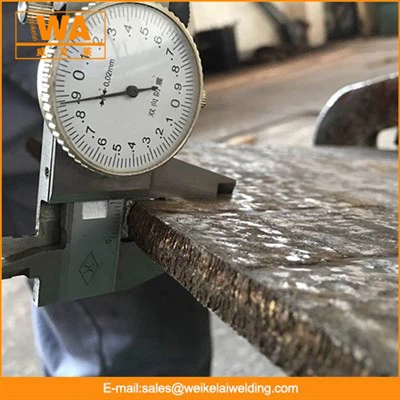
Installing a wear plate is a crucial process that can significantly enhance the durability and performance of various industrial equipment. As a wear plate supplier, I understand the importance of providing clear and detailed guidance on how to install these plates effectively. In this blog post, I will walk you through the step-by-step process of installing a wear plate, from preparation to the final finishing touches.
Step 1: Preparation
Before you begin the installation process, it is essential to prepare the surface where the wear plate will be installed. This involves cleaning the surface thoroughly to remove any dirt, grease, rust, or other contaminants that could affect the adhesion of the wear plate. You can use a wire brush, sandblaster, or chemical cleaner to clean the surface.
Once the surface is clean, you should inspect it for any damage or irregularities. If there are any cracks, holes, or uneven areas, you should repair them before installing the wear plate. This will ensure a smooth and even surface for the wear plate to adhere to.
In addition to preparing the surface, you should also gather all the necessary tools and materials for the installation process. This may include a welding machine, grinding wheel, measuring tape, clamps, and safety equipment such as gloves, goggles, and a welding helmet.
Step 2: Measuring and Cutting the Wear Plate
The next step is to measure and cut the wear plate to the appropriate size and shape. This will depend on the specific requirements of your application and the size of the surface where the wear plate will be installed. You can use a measuring tape to measure the length and width of the surface and then transfer these measurements to the wear plate.
Once you have measured the wear plate, you can use a cutting tool such as a plasma cutter, oxy-fuel cutter, or saw to cut the plate to the desired size and shape. It is important to make sure that the cuts are straight and accurate to ensure a proper fit.
Step 3: Positioning the Wear Plate
After cutting the wear plate, you should position it on the surface where it will be installed. Make sure that the wear plate is aligned correctly and that there are no gaps or overlaps between the plate and the surface. You can use clamps to hold the wear plate in place while you are welding it.
It is also important to make sure that the wear plate is level and flat. You can use a level to check the alignment of the wear plate and make any necessary adjustments.
Step 4: Welding the Wear Plate
Once the wear plate is positioned correctly, you can begin welding it to the surface. There are several welding methods that can be used to weld wear plates, including shielded metal arc welding (SMAW), gas metal arc welding (GMAW), and flux-cored arc welding (FCAW).
The choice of welding method will depend on the type of wear plate, the thickness of the plate, and the specific requirements of your application. It is important to follow the manufacturer's recommendations for welding the wear plate to ensure a strong and durable bond.
Before welding, you should preheat the wear plate and the surface to the appropriate temperature. This will help to prevent cracking and ensure a better weld. You can use a torch or a preheating oven to preheat the materials.
During the welding process, it is important to maintain a consistent welding speed and arc length. You should also use the appropriate welding current and voltage for the type of wear plate and the thickness of the plate.
After welding, you should allow the wear plate to cool down slowly to prevent cracking. You can use a cooling blanket or a water spray to cool the wear plate.
Step 5: Grinding and Finishing
Once the wear plate is welded to the surface, you should grind and finish the edges of the plate to remove any sharp edges or rough spots. This will help to prevent injury and improve the appearance of the wear plate.
You can use a grinding wheel or a sanding block to grind the edges of the wear plate. It is important to make sure that the grinding is done evenly and that the edges are smooth.
After grinding, you can apply a coating or paint to the wear plate to protect it from corrosion and wear. There are several types of coatings and paints available, including epoxy coatings, polyurethane coatings, and ceramic coatings.
The choice of coating or paint will depend on the specific requirements of your application and the environment where the wear plate will be used. It is important to follow the manufacturer's recommendations for applying the coating or paint to ensure a proper finish.
Step 6: Inspection and Testing
After the wear plate is installed and finished, you should inspect it to make sure that it is installed correctly and that there are no defects or damage. You can use a visual inspection or a non-destructive testing method such as ultrasonic testing or magnetic particle testing to inspect the wear plate.


In addition to inspection, you should also test the wear plate to make sure that it meets the specific requirements of your application. This may include testing the hardness, wear resistance, and corrosion resistance of the wear plate.
Conclusion
Installing a wear plate is a complex process that requires careful planning, preparation, and execution. By following the steps outlined in this blog post, you can ensure that your wear plate is installed correctly and that it provides the desired level of protection and performance.
As a wear plate supplier, I am committed to providing high-quality wear plates and excellent customer service. If you have any questions or need further assistance with installing a wear plate, please do not hesitate to contact me. I would be happy to help you with your wear plate needs.
If you are interested in learning more about abrasion resistant metals, you can visit our website at Abrasion Resistant Metals. We also offer hardfacing wear plates and hardfacing processed plates. You can find more information about these products on our website at Hardfacing Wear Plate and Hardfacing Processed Plate.
If you are looking to purchase wear plates for your industrial equipment, we encourage you to contact us to discuss your specific requirements. Our team of experts can help you select the right wear plate for your application and provide you with a competitive quote. Let's start a conversation and find the best wear plate solution for you.
References
- ASME Boiler and Pressure Vessel Code, Section IX - Welding and Brazing Qualifications
- AWS D1.1/D1.1M:2020 - Structural Welding Code - Steel
- Manufacturer's guidelines for wear plate installation and welding