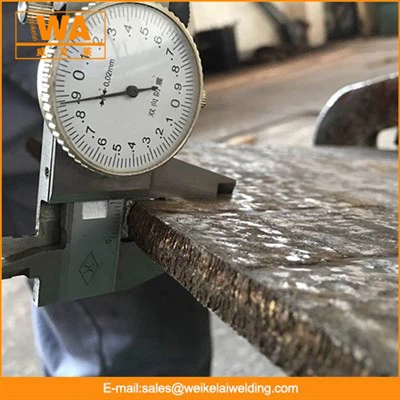
Hey there! As a wear plate supplier, I know how crucial it is to ensure the flatness of wear plates. Flat wear plates not only guarantee better performance but also extend the lifespan of equipment. In this blog, I'll share some tips on how to ensure the flatness of a wear plate.
Understanding the Importance of Flatness
First off, let's talk about why flatness matters. When a wear plate isn't flat, it can cause uneven wear on the equipment it's protecting. This uneven wear leads to premature failure of both the wear plate and the machinery. For example, in conveyor systems, a non - flat wear plate can cause misalignment of the conveyor belt, resulting in increased friction, energy consumption, and potential damage to the belt itself.
Moreover, flat wear plates are essential for proper installation. If a wear plate is warped, it won't fit correctly, making it difficult to secure in place. This can lead to vibrations, noise, and even safety hazards. So, ensuring flatness is a key step in providing high - quality wear plates.
Factors Affecting Wear Plate Flatness
There are several factors that can affect the flatness of a wear plate. One of the main factors is the manufacturing process. During production, if the heat treatment isn't done correctly, it can cause internal stresses in the plate, leading to warping. For instance, rapid cooling during quenching can create uneven shrinkage, which distorts the plate.
Another factor is the material used. Different materials have different properties, and some are more prone to warping than others. For example, Bimetallic Wear Resistant Material has unique characteristics due to its combination of two different metals. If not properly processed, the difference in the expansion and contraction rates of the two metals can cause the plate to lose its flatness.
Handling and storage also play a role. If wear plates are stacked incorrectly or exposed to extreme temperatures during storage, they can become deformed. Rough handling during transportation can also lead to dents and bends, affecting the flatness of the plate.
Ensuring Flatness during Manufacturing
To ensure flatness during manufacturing, we start with high - quality raw materials. We carefully select materials that are less likely to warp and have consistent properties. For Chromium Carbide Wear Plate, we make sure the composition is well - balanced to minimize internal stresses.
The heat treatment process is also closely monitored. We use advanced heat treatment equipment to control the heating and cooling rates precisely. This helps to relieve internal stresses and prevent warping. For example, we might use a slow cooling process after quenching to allow the plate to cool evenly.
In addition, we perform regular quality checks during the manufacturing process. We use precision measuring tools to check the flatness of the plates at different stages. If any deviation is detected, we take immediate corrective actions, such as re - heat treating or machining the plate to correct its shape.
Post - Manufacturing Inspection
Once the wear plates are manufactured, we conduct a thorough post - manufacturing inspection. We use a variety of inspection methods, including visual inspection, straightedge testing, and laser scanning. Visual inspection allows us to quickly identify any obvious dents, bends, or warping.
For more accurate measurements, we use a straightedge. By placing a straightedge on the surface of the wear plate, we can measure the gap between the straightedge and the plate to determine the degree of flatness. Laser scanning is another advanced method that provides detailed 3D measurements of the plate's surface, allowing us to detect even the slightest deviations.
If a wear plate fails the inspection, it goes through a re - work process. We might use mechanical methods, such as pressing or grinding, to correct the flatness. In some cases, if the damage is too severe, the plate may be scrapped to ensure that only high - quality, flat wear plates are delivered to our customers.
Proper Handling and Storage
Proper handling and storage are essential to maintain the flatness of wear plates. When handling the plates, we use appropriate lifting equipment to avoid bending or denting them. We also make sure to lift the plates evenly to prevent uneven stress distribution.
During storage, we stack the wear plates on a flat and stable surface. We use spacers between the plates to prevent them from rubbing against each other and causing damage. The storage area is kept at a stable temperature and humidity to avoid any environmental factors that could cause the plates to warp.
Special Considerations for Different Types of Wear Plates
Different types of wear plates require special considerations to ensure flatness. For Hardox Steel Plate, which is known for its high hardness and strength, we need to pay extra attention to the heat treatment process. The high carbon content in Hardox steel makes it more susceptible to internal stresses during heat treatment. So, we use a customized heat treatment process to minimize these stresses and maintain flatness.
Bimetallic wear plates, on the other hand, require careful control of the bonding process between the two metals. If the bonding isn't uniform, it can cause the plate to warp. We use advanced bonding techniques and quality control measures to ensure a strong and uniform bond, which helps to maintain the flatness of the plate.


Conclusion
Ensuring the flatness of a wear plate is a multi - step process that involves careful manufacturing, thorough inspection, and proper handling and storage. By paying attention to these aspects, we can provide our customers with high - quality wear plates that perform well and last longer.
If you're in the market for wear plates and want to ensure you get the best quality with perfect flatness, don't hesitate to reach out. We're here to discuss your specific needs and provide you with the right wear plate solutions. Contact us for a detailed consultation and let's start a great partnership!
References
- ASM Handbook Volume 4: Heat Treating. ASM International.
- Wear Resistance of Materials: Fundamentals and Applications. Elsevier.