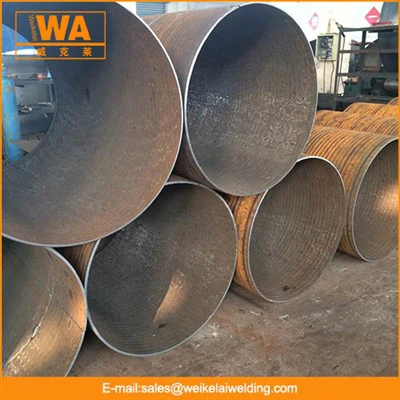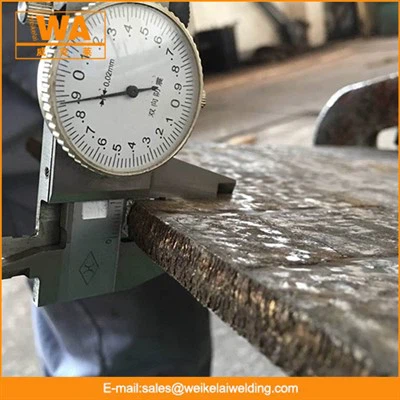
Hey there! As a supplier of Bent Cladding Pipe, I've seen firsthand how the material of the inner pipe can have a huge impact on the overall performance of the bent cladding pipe. In this blog, I'm gonna break down the different ways that the inner - pipe material can affect the bent cladding pipe.
1. Wear Resistance
One of the most important factors in a bent cladding pipe is its wear resistance. Different inner - pipe materials have varying levels of resistance to wear and tear. For instance, if you're looking for a high - wear - resistant option, the Wear Resistant Straight Pipe is a great choice for the inner pipe.
Materials like ceramic or high - alloy steel used in the inner pipe can significantly enhance the wear resistance of the bent cladding pipe. These materials are tough and can withstand the abrasive forces that occur when the pipe is transporting abrasive materials such as coal, sand, or minerals.
A ceramic inner pipe, for example, has an extremely hard surface. When it's used in a bent cladding pipe, it can handle the constant rubbing and scraping of the materials flowing through it. So, if you're dealing with a high - abrasion environment, choosing a ceramic inner pipe can extend the lifespan of your bent cladding pipe dramatically.
On the other hand, if you use a lower - quality or less - wear - resistant material for the inner pipe, you're likely to face more frequent breakdowns. The inner pipe will wear out quickly, and the entire bent cladding pipe may need to be replaced sooner, which can be a real pain in the neck and cost you a fortune in the long run.
2. Corrosion Resistance
Corrosion can be a major headache for bent cladding pipes, especially if they're used in environments where they're exposed to chemicals or moisture. The material of the inner pipe plays a crucial role in determining the pipe's corrosion resistance.
The Cco Abrasion Pipe often uses materials that are specially treated to resist corrosion. Stainless steel, for example, is a popular choice for inner pipes in bent cladding pipes because of its excellent corrosion - resistant properties.
If the inner pipe is made of a material that's prone to corrosion, the rust and damage can spread to the outer cladding over time. This can weaken the entire structure of the bent cladding pipe and reduce its effectiveness. Corroded pipes can also contaminate the materials being transported, which is a big no - no in many industries.
By choosing a corrosion - resistant inner - pipe material, you're essentially giving your bent cladding pipe a shield against the harmful effects of corrosion. This means you won't have to worry as much about the pipe failing due to rust or chemical damage.
3. Structural Integrity
The structural integrity of a bent cladding pipe is vital for its proper functioning. The inner - pipe material needs to be strong enough to support the overall structure of the pipe, especially when it's bent.
When the inner pipe and the outer cladding work together, they form a unified structure. Materials like hardened steel or fiber - reinforced composites can provide excellent support and maintain the shape of the bent pipe. These materials distribute stress evenly throughout the pipe, preventing it from collapsing or deforming under pressure.
For instance, if you use a weak or brittle inner - pipe material, the bent cladding pipe may not be able to withstand the forces applied during bending or while in use. This can lead to cracks or fractures in the pipe, which can be dangerous and costly to repair.
The Abrasion Resistant Elbows, which are a type of bent cladding pipe, rely on a strong inner - pipe material to ensure they can maintain their shape and integrity when the flow of materials changes direction. A good inner - pipe material will help the elbow pipe handle these directional changes without any issues.
4. Flow Characteristics
The material of the inner pipe also affects the flow characteristics of the bent cladding pipe. A smooth - surfaced inner pipe made of materials like polished stainless steel or certain plastics can reduce friction and allow the materials being transported to flow more easily.
When the flow is smooth, there's less chance of blockages and build - up inside the pipe. This is especially important when dealing with materials that are sticky or tend to clump together. For example, if you're transporting sludge or slurry, a smooth inner - pipe surface can keep the flow continuous.
In contrast, a rough - surfaced inner pipe can cause problems. The roughness can slow down the flow, increase the energy required to transport the materials, and eventually lead to blockages. So, when choosing the inner - pipe material, you need to consider how it will impact the flow of your specific materials.
The Hardfacing Abrasion Pipe often takes into account the flow characteristics. By using the right inner - pipe material, it can ensure that the materials move through the pipe efficiently, which is crucial for many industrial processes.
5. Cost - Effectiveness
Let's talk about cost. The material of the inner pipe can have a big impact on the overall cost - effectiveness of the bent cladding pipe. High - end materials like ceramic or certain specialty alloys may offer excellent performance, but they can also be pretty expensive.

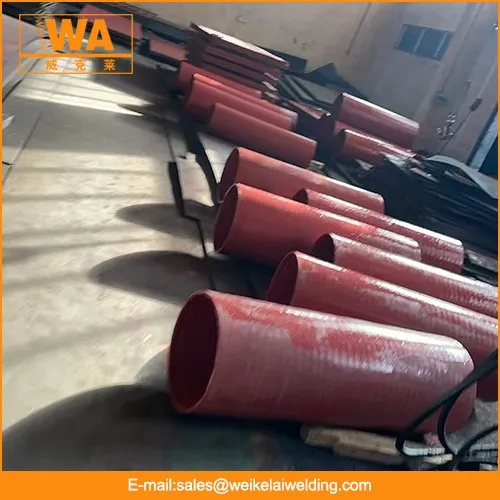
On the other hand, more common materials like carbon steel are cheaper but may not provide the same level of wear or corrosion resistance. You need to find a balance between the performance you need and the cost you're willing to bear.
As a Bent Cladding Pipe supplier, I always work with customers to find the most cost - effective solutions. Sometimes, a good compromise is to use a combination of materials. For example, you can use a less expensive core material and then add a hard - facing or a thin layer of a more wear - resistant material to the inner surface. This way, you get the benefits of both worlds.
Time to Chat
If you're in the market for a Bent Cladding Pipe and are wondering about the best inner - pipe material for your specific needs, don't hesitate to reach out. I've got a wealth of experience and can help you make an informed decision. Whether you're dealing with high - wear, high - corrosion, or other challenging environments, I can guide you to the right Bent Cladding Pipe solution. Let's start a conversation and see how we can work together to meet your requirements.