Hey there! As a hardfacing pipe supplier, I've been getting a lot of questions lately about how hardfacing affects the internal diameter of a pipe. So, I thought I'd put together this blog post to share my insights and experience on the topic.
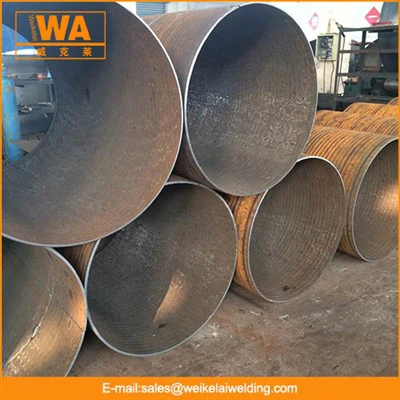
First off, let's talk about what hardfacing is. Hardfacing is a welding process that involves applying a layer of hard, wear-resistant material to the surface of a metal component. In the case of pipes, hardfacing is used to protect the inner surface of the pipe from wear, corrosion, and erosion caused by the flow of abrasive materials such as minerals, coal, and chemicals.
Now, let's get to the main question: how does hardfacing affect the internal diameter of a pipe? Well, the short answer is that it depends on a few factors, such as the type of hardfacing material used, the thickness of the hardfacing layer, and the method of application.


Type of Hardfacing Material
There are several types of hardfacing materials available, each with its own unique properties and characteristics. Some of the most commonly used hardfacing materials for pipes include tungsten carbide, chromium carbide, and stainless steel.
- Tungsten Carbide: Tungsten carbide is a very hard and wear-resistant material that is commonly used in applications where high abrasion resistance is required. When used as a hardfacing material for pipes, tungsten carbide can significantly reduce the wear and tear on the inner surface of the pipe, resulting in a longer service life. However, tungsten carbide is also a relatively expensive material, and its application can be more complex than other types of hardfacing materials.
- Chromium Carbide: Chromium carbide is another popular hardfacing material that is known for its excellent wear and corrosion resistance. Chromium carbide hardfacing is often used in applications where the pipe is exposed to harsh chemicals or high temperatures. Compared to tungsten carbide, chromium carbide is a more cost-effective option, and its application is generally easier and faster.
- Stainless Steel: Stainless steel is a versatile hardfacing material that is commonly used in applications where corrosion resistance is the primary concern. Stainless steel hardfacing can provide a smooth and durable surface that is resistant to rust and other forms of corrosion. While stainless steel is not as hard as tungsten carbide or chromium carbide, it can still provide a significant improvement in the wear resistance of the pipe.
Thickness of the Hardfacing Layer
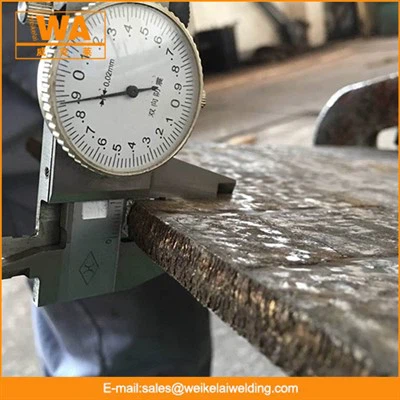
The thickness of the hardfacing layer is another important factor that can affect the internal diameter of a pipe. In general, the thicker the hardfacing layer, the greater the reduction in the internal diameter of the pipe. However, the actual reduction in the internal diameter will depend on several factors, such as the original diameter of the pipe, the type of hardfacing material used, and the method of application.
When selecting the thickness of the hardfacing layer, it's important to consider the specific requirements of your application. For example, if you're using the pipe to transport abrasive materials, you may need a thicker hardfacing layer to provide better wear resistance. On the other hand, if you're using the pipe in a low-abrasion environment, a thinner hardfacing layer may be sufficient.
Method of Application
The method of application is also an important factor that can affect the internal diameter of a pipe. There are several methods of applying hardfacing material to the inner surface of a pipe, including weld overlay, thermal spray, and cladding.
- Weld Overlay: Weld overlay is a common method of applying hardfacing material to the inner surface of a pipe. In this process, the hardfacing material is welded directly onto the inner surface of the pipe using a welding torch. Weld overlay can provide a thick and durable hardfacing layer, but it can also be a time-consuming and expensive process.
- Thermal Spray: Thermal spray is another method of applying hardfacing material to the inner surface of a pipe. In this process, the hardfacing material is heated to a high temperature and then sprayed onto the inner surface of the pipe using a spray gun. Thermal spray can provide a thin and uniform hardfacing layer, but it may not be as durable as weld overlay.
- Cladding: Cladding is a process that involves bonding a layer of hardfacing material to the inner surface of a pipe using a high-pressure welding technique. Cladding can provide a thick and durable hardfacing layer, but it can also be a more complex and expensive process than weld overlay or thermal spray.
Impact on Flow Characteristics
In addition to affecting the internal diameter of the pipe, hardfacing can also have an impact on the flow characteristics of the fluid or material being transported through the pipe. The presence of a hardfacing layer on the inner surface of the pipe can increase the roughness of the surface, which can in turn increase the friction between the fluid or material and the pipe wall. This can result in a decrease in the flow rate and an increase in the pressure drop across the pipe.
However, the impact of hardfacing on the flow characteristics of the pipe can be minimized by selecting the right type of hardfacing material and the appropriate thickness of the hardfacing layer. For example, using a smooth and uniform hardfacing layer can help to reduce the roughness of the surface and minimize the friction between the fluid or material and the pipe wall.
Our Hardfacing Pipe Products
At our company, we offer a wide range of hardfacing pipe products that are designed to meet the specific needs of our customers. Our products include Abrasion Resistant Elbows, Cco Abrasion Pipe, Hardfacing Abrasion Pipe, Wear Resistant Pipe, and Bent Cladding Pipe.
Our hardfacing pipe products are manufactured using the latest technology and highest quality materials to ensure maximum wear resistance and durability. We also offer a variety of customization options to meet the specific requirements of our customers, including different types of hardfacing materials, thicknesses of the hardfacing layer, and pipe sizes.
Contact Us for Procurement
If you're interested in learning more about our hardfacing pipe products or if you have any questions about how hardfacing affects the internal diameter of a pipe, please don't hesitate to contact us. We'd be happy to discuss your specific needs and provide you with a customized solution that meets your requirements.