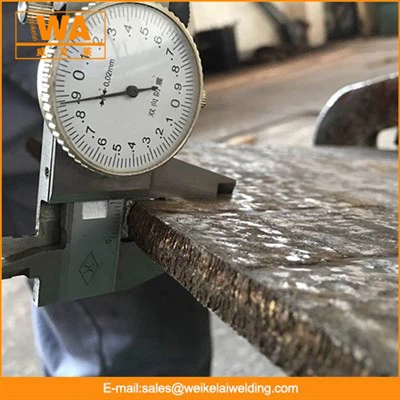
Hey there! As a supplier of Metallic Wear Liners, I've seen firsthand how surface treatment can make a huge difference in the performance of these liners. In this blog, I'm gonna break down the ins and outs of how surface treatment affects metallic wear liners and why it matters for your business.
What Are Metallic Wear Liners?
Before we dive into surface treatment, let's quickly go over what metallic wear liners are. Metallic wear liners are used in a variety of industries to protect equipment from wear and tear. They're commonly found in mining, cement, and power generation, among other sectors. These liners are designed to withstand harsh conditions, such as abrasion, impact, and corrosion. You can check out more about Metallic Wear Liners on our website.
The Basics of Surface Treatment
Surface treatment is all about modifying the surface of a material to improve its properties. When it comes to metallic wear liners, surface treatment can enhance their resistance to wear, corrosion, and other forms of damage. There are several different types of surface treatments, each with its own unique benefits.
1. Coating
Coating is one of the most common surface treatments for metallic wear liners. A coating is a layer of material that's applied to the surface of the liner to provide protection. There are many different types of coatings available, including ceramic, polymer, and metal-based coatings.
Ceramic coatings are known for their high hardness and wear resistance. They're often used in applications where the liner is exposed to extreme abrasion. Polymer coatings, on the other hand, are more flexible and can provide good corrosion resistance. Metal-based coatings can offer a combination of wear and corrosion resistance.
2. Heat Treatment
Heat treatment involves heating and cooling the metallic wear liner to change its microstructure. This can improve its hardness, strength, and toughness. There are several different heat treatment processes, such as quenching, tempering, and annealing.
Quenching is a rapid cooling process that can make the liner very hard. However, it can also make the liner brittle. Tempering is a subsequent heat treatment that's used to reduce the brittleness and improve the toughness of the liner. Annealing is a slower cooling process that can relieve internal stresses and improve the ductility of the liner.
3. Shot Peening
Shot peening is a process where small metal or ceramic particles are shot at the surface of the liner at high velocity. This creates a compressive stress layer on the surface of the liner, which can improve its fatigue resistance and wear resistance. Shot peening can also help to close surface pores and reduce the risk of corrosion.


How Surface Treatment Affects Performance
Now that we know the basics of surface treatment, let's take a closer look at how it affects the performance of metallic wear liners.
1. Wear Resistance
One of the main benefits of surface treatment is improved wear resistance. A well-treated liner can withstand more abrasion and impact without wearing out as quickly. For example, a ceramic-coated liner can have a much higher wear resistance than an untreated liner. This means that it will last longer and require less frequent replacement, which can save you money in the long run.
2. Corrosion Resistance
Corrosion is another major issue for metallic wear liners, especially in environments where they're exposed to moisture or chemicals. Surface treatment can help to protect the liner from corrosion by creating a barrier between the metal and the corrosive environment. A polymer coating, for example, can provide excellent corrosion resistance and prevent the liner from rusting or corroding.
3. Fatigue Resistance
In applications where the liner is subjected to repeated loading and unloading, fatigue can be a significant problem. Surface treatment can improve the fatigue resistance of the liner by creating a compressive stress layer on the surface. This can help to prevent cracks from forming and propagating, which can extend the life of the liner.
4. Friction and Lubrication
Surface treatment can also affect the friction and lubrication properties of the liner. A smooth, well-treated surface can reduce friction and improve the flow of materials over the liner. This can be particularly important in applications such as Conveyor Wear Liners and Chute Wear Liners, where reducing friction can improve the efficiency of the system.
Choosing the Right Surface Treatment
With so many different surface treatments available, it can be challenging to choose the right one for your application. Here are some factors to consider:
1. Operating Conditions
The first thing to consider is the operating conditions of your equipment. If the liner is exposed to extreme abrasion, a ceramic coating or a heat-treated liner may be the best choice. If corrosion is a major concern, a polymer coating or a corrosion-resistant metal-based coating may be more appropriate.
2. Cost
Cost is always a factor when choosing a surface treatment. Some treatments, such as ceramic coatings, can be more expensive than others. However, it's important to consider the long-term cost savings that can be achieved by using a well-treated liner. A more expensive treatment may result in a longer lifespan and less frequent replacement, which can ultimately save you money.
3. Compatibility
It's also important to consider the compatibility of the surface treatment with the base material of the liner. Some treatments may not be suitable for certain types of metals or alloys. Make sure to consult with a surface treatment expert to ensure that the treatment you choose is compatible with your liner.
Conclusion
In conclusion, surface treatment plays a crucial role in the performance of metallic wear liners. It can improve wear resistance, corrosion resistance, fatigue resistance, and friction properties. By choosing the right surface treatment for your application, you can extend the life of your liners, reduce maintenance costs, and improve the efficiency of your equipment.
If you're in the market for metallic wear liners or have any questions about surface treatment, don't hesitate to reach out. We're here to help you find the best solution for your needs. Let's start a conversation and see how we can work together to improve your operations.
References
-ASM Handbook, Volume 5: Surface Engineering
- "Surface Treatment Technologies for Wear Resistance" by John Doe
- "Corrosion Protection of Metals" by Jane Smith