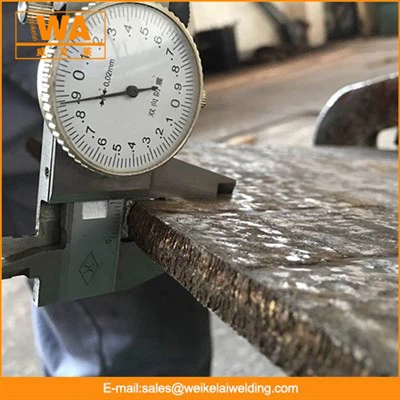
Hey there! As a supplier of Bimetal Wear Plate, I've got a lot to share about how these plates perform in ceramic - manufacturing equipment. Let's dive right in.


Understanding Bimetal Wear Plate
First off, what exactly is a bimetal wear plate? Well, it's a composite material made up of two different metals. Usually, one layer is a tough, wear - resistant metal, and the other is a more ductile metal that provides support. This combination gives the plate unique properties that make it ideal for a variety of high - wear applications.
In ceramic manufacturing, the equipment goes through a lot. There's constant abrasion from the raw ceramic materials, high - pressure processing, and sometimes exposure to high temperatures. That's where bimetal wear plates come in real handy.
Abrasion Resistance
One of the most important aspects of ceramic - manufacturing equipment is dealing with abrasion. The raw ceramic materials are often rough and can quickly wear down the surfaces of the equipment. Bimetal wear plates are designed to resist this abrasion like a champ.
The wear - resistant layer of the bimetal plate, which is often made of materials like High Hardness Steel Plate, can withstand the constant rubbing and scraping from the ceramic particles. This means that the equipment can run for longer periods without needing major repairs or part replacements. For example, in ceramic crushers, the bimetal wear plates can significantly extend the lifespan of the crushing chamber. The wear - resistant layer takes the brunt of the abrasion, while the supporting layer keeps the plate structurally sound.
Impact Resistance
Ceramic manufacturing also involves a lot of impact. When raw materials are being fed into the equipment or when there are sudden changes in the production process, the equipment can be hit with a fair amount of force. Bimetal wear plates are engineered to handle these impacts.
The combination of the tough wear - resistant layer and the ductile supporting layer allows the plate to absorb and distribute the impact energy. This prevents the plate from cracking or breaking under stress. In molding machines, for instance, where the ceramic material is pressed into shape, the bimetal wear plates can withstand the high - impact forces during the pressing operation. The Chromium Carbide Overlay on some bimetal plates further enhances their impact resistance, as chromium carbide is known for its high hardness and toughness.
Temperature Resistance
Some ceramic - manufacturing processes involve high temperatures. Kilns, for example, can reach extremely high temperatures during the firing process. Bimetal wear plates can be designed to handle these temperature variations.
The materials used in bimetal wear plates are carefully selected to have good thermal stability. They can expand and contract with temperature changes without losing their structural integrity. This is crucial in maintaining the performance of the equipment. In a kiln, the bimetal wear plates lining the interior can prevent heat - induced damage to the kiln structure. The wear - resistant layer can also protect against the erosive effects of hot gases and ceramic vapors at high temperatures.
Chemical Resistance
In addition to mechanical wear, ceramic - manufacturing equipment may also be exposed to various chemicals. These chemicals can corrode the equipment surfaces over time. Bimetal wear plates offer good chemical resistance.
The metals used in the plates are chosen for their ability to resist chemical attack. This means that the plates can remain in good condition even when in contact with acidic or alkaline substances used in the ceramic production process. For example, in ceramic glazing equipment, the bimetal wear plates can resist the corrosive effects of the glazing chemicals, ensuring the long - term performance of the equipment.
Cost - Effectiveness
When it comes to running a ceramic - manufacturing business, cost is always a major consideration. Bimetal wear plates offer excellent cost - effectiveness.
Although the initial investment in bimetal wear plates may be a bit higher than some other materials, their long lifespan and low maintenance requirements make them a great long - term investment. Since they can withstand abrasion, impact, temperature, and chemical attacks, the frequency of part replacements is significantly reduced. This saves both time and money in the long run. For a ceramic manufacturer, this means less downtime for equipment repairs and lower overall production costs.
Installation and Maintenance
Installing bimetal wear plates in ceramic - manufacturing equipment is relatively straightforward. They can be easily welded or bolted onto the equipment surfaces. And once installed, they require minimal maintenance.
Regular inspections are recommended to check for any signs of wear or damage. But because of their high - performance characteristics, the need for major maintenance is rare. This is a huge advantage for ceramic manufacturers, as it allows them to focus on their production processes without having to worry too much about equipment upkeep.
Real - World Applications
Let's take a look at some real - world examples of how bimetal wear plates are used in ceramic - manufacturing equipment.
In ceramic extrusion machines, the bimetal wear plates are used to line the extrusion barrels. The plates protect the barrels from the abrasive ceramic material as it is pushed through the machine. This ensures a smooth extrusion process and a consistent quality of the extruded ceramic products.
In ceramic grinding mills, the bimetal wear plates are installed on the grinding chamber walls. They resist the abrasion from the grinding media and the ceramic particles, allowing the mill to operate efficiently for longer periods.
Conclusion
So, as you can see, bimetal wear plates perform extremely well in ceramic - manufacturing equipment. Their ability to resist abrasion, impact, temperature, and chemicals, along with their cost - effectiveness and ease of installation and maintenance, make them an ideal choice for ceramic manufacturers.
If you're in the ceramic - manufacturing industry and looking for a reliable solution to improve the performance of your equipment, I'd highly recommend considering bimetal wear plates. We, as a Bimetal Wear Plate supplier, are always ready to provide you with high - quality products and professional advice. Whether you need Wear Steel Plate or other types of bimetal wear plates, we've got you covered. Feel free to reach out to us for a detailed discussion on your specific requirements and how our products can meet them.
References
- "Materials Science for Engineers" - A general textbook on materials properties and applications.
- Industry reports on ceramic - manufacturing equipment and wear - resistant materials.