Can bent cladding pipes be used in oil and gas pipelines? That's a question I get asked a lot as a supplier of Bent Cladding Pipe. I'm here to break it down for you, sharing my thoughts and some real - world insights.
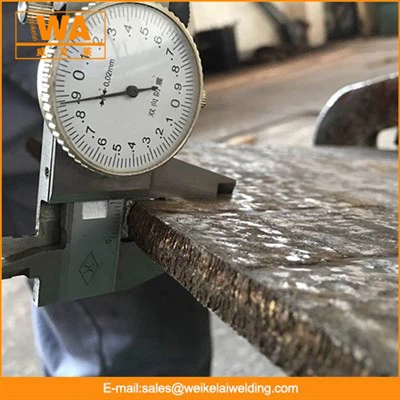
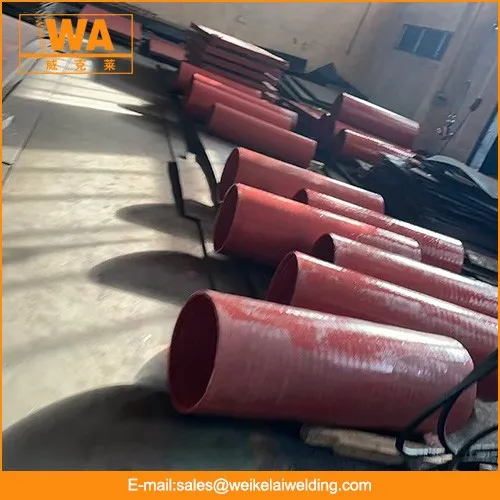
First off, let's talk about what bent cladding pipes are. These pipes are essentially regular pipes that have undergone a special cladding process. Cladding is like adding a super - tough skin to the pipe. It's usually made of materials that are highly resistant to things like abrasion, corrosion, and wear. And the "bent" part means they're not straight; they've been shaped to fit specific pipeline layouts.
Now, when it comes to oil and gas pipelines, there are some pretty strict requirements. The environment inside these pipelines is harsh. You've got high - pressure fluids flowing through, often with abrasive particles mixed in. There's also the risk of corrosion from the chemicals in the oil and gas. So, can bent cladding pipes stand up to all this?
Well, one of the biggest advantages of bent cladding pipes in oil and gas pipelines is their wear resistance. The cladding material acts as a shield, protecting the base pipe from the abrasive action of the flowing oil and gas, along with any sand or other particles that might be in there. For example, in areas where the pipeline has sharp bends, the fluid flow can be more turbulent, causing more wear on the pipe walls. A bent cladding pipe can handle this kind of stress much better than a regular pipe. You can check out more about wear - resistant pipes on our Wear Resistant Straight Pipe page.
Corrosion is another major concern in oil and gas pipelines. The cladding on bent cladding pipes can be made from materials that are highly resistant to corrosion. This means the pipe can last longer in the corrosive environment of an oil or gas pipeline. For instance, some cladding materials are made of stainless steel or other alloys that form a protective layer when exposed to the corrosive elements, preventing the base pipe from rusting or deteriorating.
In terms of installation, bent cladding pipes offer a lot of flexibility. Since they're already bent to the required shape, they can fit into complex pipeline layouts more easily. This can save a lot of time and money during the installation process. You don't have to spend extra time and resources on bending the pipes on - site, which can also reduce the risk of damaging the pipe during the bending process.
But it's not all sunshine and rainbows. There are some challenges when using bent cladding pipes in oil and gas pipelines. One of the main issues is the cost. The cladding process and the special materials used can make bent cladding pipes more expensive than regular pipes. However, when you consider the longer lifespan and better performance, the cost can be justified in the long run.
Another challenge is the quality control of the cladding. If the cladding is not applied properly, it can delaminate or crack over time, reducing its effectiveness. That's why it's crucial to work with a reliable supplier who has strict quality control measures in place. As a Bent Cladding Pipe supplier, we make sure that every pipe we produce goes through rigorous testing to ensure the quality of the cladding.
Now, let's talk about some real - world applications. In offshore oil and gas platforms, bent cladding pipes are often used in the riser systems. These are the pipes that connect the sub - sea wellheads to the platform. The riser systems are exposed to high - pressure seawater, which is highly corrosive. The wear - resistant and corrosion - resistant properties of bent cladding pipes make them a great choice for this kind of application.
In on - shore oil and gas pipelines, bent cladding pipes can be used in areas where the terrain is hilly or where the pipeline needs to make sharp turns. They can also be used in refineries, where the pipes are exposed to high - temperature and high - pressure environments.
If you're in the market for a pipe that can handle extreme abrasion, our Cco Abrasion Pipe is also an option worth considering. It's designed to withstand the toughest abrasive conditions, which can be very useful in some oil and gas pipeline applications.
In conclusion, bent cladding pipes can definitely be used in oil and gas pipelines. They offer many benefits in terms of wear resistance, corrosion resistance, and installation flexibility. However, you need to be aware of the challenges, such as cost and quality control. If you're interested in learning more about our Bent Cladding Pipe and how it can fit your oil and gas pipeline needs, feel free to get in touch with us. We're here to answer all your questions and help you make the right decision for your project.

References
- Industry reports on oil and gas pipeline materials
- Research papers on wear and corrosion resistance of cladding materials