

As a supplier of Conveyor Wear Liners, I've witnessed firsthand the intricate dance between these liners and conveyor pulleys. This relationship is crucial for the smooth operation, efficiency, and longevity of conveyor systems across various industries. In this blog, I'll delve into how conveyor wear liners interact with conveyor pulleys, exploring the science behind it, the benefits, and the factors that influence this interaction.
The Basics of Conveyor Wear Liners and Pulleys
Conveyor pulleys are fundamental components of conveyor systems. They are responsible for guiding, driving, and tensioning the conveyor belt. Pulleys come in different types, such as drive pulleys, idler pulleys, and bend pulleys, each with a specific function. On the other hand, Conveyor Wear Liners are protective layers installed on various parts of the conveyor system, including the pulleys, to reduce wear and tear caused by the movement of materials and the conveyor belt itself.
The primary function of conveyor wear liners is to protect the underlying structures from abrasion, impact, and corrosion. They act as a sacrificial layer, absorbing the forces and damage that would otherwise be inflicted on the conveyor pulleys and other components. By doing so, wear liners extend the lifespan of the conveyor system, reduce maintenance costs, and improve overall operational efficiency.
Interaction Mechanisms
Friction and Traction
One of the most critical aspects of the interaction between conveyor wear liners and pulleys is friction. Friction is what allows the conveyor belt to grip the pulleys and move the materials along the conveyor system. The surface texture and material properties of the wear liners play a significant role in determining the friction coefficient between the belt and the pulley.
High-friction wear liners are often used on drive pulleys to ensure sufficient traction for driving the conveyor belt. These liners typically have a rough surface or are made of materials with high friction coefficients, such as rubber or polyurethane. By increasing the friction between the belt and the pulley, high-friction wear liners prevent slippage, which can lead to reduced efficiency, increased energy consumption, and premature wear of the belt and pulleys.
On the other hand, idler pulleys may require wear liners with lower friction coefficients to allow the belt to move smoothly over them. These liners help reduce the resistance to the belt's movement, minimizing energy losses and wear on the belt.

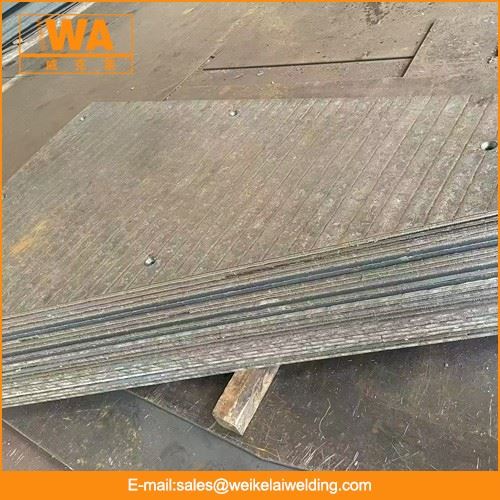
Impact and Abrasion Resistance
Conveyor systems are often subjected to high-impact and abrasive forces, especially in industries such as mining, quarrying, and construction. The wear liners on the pulleys need to be able to withstand these forces to protect the pulleys from damage.
When materials are loaded onto the conveyor belt or when the belt passes over the pulleys, they can cause significant impact and abrasion. Wear liners made of materials such as ceramic, carbide, or high-density polyethylene (HDPE) are commonly used for their excellent impact and abrasion resistance. These materials can absorb the energy of the impact and resist the abrasive action of the materials, ensuring that the pulleys remain in good condition.
Chemical Resistance
In some industries, conveyor systems may be exposed to chemicals, such as acids, alkalis, or solvents. The wear liners on the pulleys need to be chemically resistant to prevent corrosion and degradation.
Rubber and polyurethane wear liners are often used in applications where chemical resistance is required. These materials can withstand a wide range of chemicals and provide long-lasting protection for the pulleys. Additionally, some wear liners are coated with special chemical-resistant coatings to enhance their performance in harsh chemical environments.
Benefits of Proper Interaction
Extended Pulley Lifespan
By providing a protective layer between the conveyor belt and the pulleys, wear liners significantly reduce the wear and tear on the pulleys. This extends the lifespan of the pulleys, reducing the frequency of replacement and maintenance. As a result, companies can save on costs associated with purchasing new pulleys and downtime for maintenance.
Improved Conveyor System Efficiency
Properly selected and installed wear liners can improve the efficiency of the conveyor system. By ensuring sufficient friction and traction between the belt and the pulleys, wear liners prevent slippage, which can lead to reduced energy consumption and increased throughput. Additionally, wear liners with low friction coefficients on idler pulleys can reduce the resistance to the belt's movement, further improving energy efficiency.
Reduced Maintenance Costs
With extended pulley lifespan and improved conveyor system efficiency, the need for frequent maintenance and repairs is reduced. This translates to lower maintenance costs for companies. Additionally, wear liners are relatively easy to install and replace, which further reduces the labor costs associated with maintenance.
Enhanced Safety
Wear liners can also enhance the safety of the conveyor system. By preventing slippage and reducing the risk of belt damage, wear liners minimize the chances of accidents and injuries. Additionally, wear liners with good impact and abrasion resistance can protect the pulleys from damage, reducing the risk of component failure and system breakdown.
Factors Affecting the Interaction
Material Selection
The choice of wear liner material is crucial for the proper interaction between the wear liners and the pulleys. Different materials have different properties, such as friction coefficient, impact and abrasion resistance, and chemical resistance. The material selection should be based on the specific requirements of the conveyor system, including the type of materials being conveyed, the operating conditions, and the desired performance.
Installation Quality
Proper installation of the wear liners is essential for ensuring their effectiveness. The wear liners should be installed tightly and securely on the pulleys to prevent movement and ensure uniform contact with the conveyor belt. Any gaps or misalignments between the wear liners and the pulleys can lead to uneven wear and reduced performance.
Operating Conditions
The operating conditions of the conveyor system, such as temperature, humidity, and the presence of dust and debris, can also affect the interaction between the wear liners and the pulleys. High temperatures can cause the wear liners to expand or soften, reducing their friction coefficient and impact resistance. Humidity can lead to corrosion and degradation of the wear liners, especially in the presence of chemicals. Dust and debris can accumulate on the wear liners, increasing the abrasion and reducing the efficiency of the conveyor system.
Conclusion
The interaction between conveyor wear liners and conveyor pulleys is a complex and crucial aspect of conveyor system operation. By understanding the mechanisms of interaction, the benefits of proper interaction, and the factors that affect it, companies can make informed decisions when selecting and installing wear liners for their conveyor systems.
As a supplier of Conveyor Wear Liners, Wear Protection Linings, and Chute Wear Liners, I am committed to providing high-quality products and professional advice to help our customers optimize the performance of their conveyor systems. If you are interested in learning more about our products or need assistance with your conveyor system, please feel free to contact us for a purchase negotiation. We look forward to working with you to achieve your goals.
References
- Conveyor Belt Handbook, published by The Conveyor Equipment Manufacturers Association (CEMA)
- Wear and Abrasion Resistance of Engineering Materials, edited by Peter K. Liaw and R. Byron Pipes
- Handbook of Polyurethane Elastomers, edited by George Woods



