Conveyor systems are the backbone of many industries, facilitating the efficient movement of materials from one point to another. However, the constant friction and abrasion caused by the conveyed materials can lead to significant wear and tear on the conveyor components, especially the liners. This is where conveyor wear liners come into play. As a leading supplier of conveyor wear liners, I often encounter customers who are concerned about the cost - effectiveness of these products. In this blog, I will delve into how different conveyor wear liners compare in terms of cost - effectiveness.
Understanding Cost - Effectiveness
Before we start comparing different types of conveyor wear liners, it's important to understand what cost - effectiveness means in this context. Cost - effectiveness is not just about the initial purchase price of the liner. It encompasses the total cost of ownership over the liner's lifespan, including the purchase price, installation costs, maintenance costs, and the cost associated with downtime due to liner replacement. A cost - effective liner should offer a good balance between performance and price, providing long - term value for the investment.
Types of Conveyor Wear Liners and Their Cost - Effectiveness
Rubber Liners
Rubber liners are a popular choice for many conveyor applications. They are relatively inexpensive compared to some other types of liners, which makes them an attractive option for budget - conscious customers. The initial purchase price of rubber liners is often lower, and their installation is generally straightforward, which helps to keep the overall cost down.
In terms of performance, rubber liners offer good abrasion resistance and can absorb shock, which is beneficial when handling materials that may cause impact damage. They also have good chemical resistance, making them suitable for use in environments where the conveyed materials may be corrosive.
However, rubber liners have a limited lifespan, especially in high - wear applications. They may need to be replaced more frequently than some other types of liners, which can increase the long - term cost. Additionally, in very high - temperature environments, rubber liners may degrade more quickly, further reducing their cost - effectiveness.
Polyurethane Liners
Polyurethane liners are known for their excellent abrasion resistance and flexibility. They can withstand high - impact loads and are often used in applications where the conveyed materials are large or heavy.
The cost of polyurethane liners is typically higher than that of rubber liners. However, their longer lifespan can offset the higher initial cost. Polyurethane liners require less frequent replacement, which means less downtime for the conveyor system and lower maintenance costs in the long run.
Another advantage of polyurethane liners is their resistance to chemicals and oils. This makes them suitable for a wide range of industrial applications, including those in the mining, food processing, and chemical industries. Overall, polyurethane liners offer a good balance between cost and performance, making them a cost - effective choice for many conveyor systems.
Chute Wear Liners
Chute wear liners are designed specifically for use in chutes, where the flow of materials can cause significant wear. These liners are available in a variety of materials, including ceramic, rubber, and metal.
Ceramic chute wear liners offer extremely high abrasion resistance. They can withstand the most demanding applications and have a very long lifespan. However, they are also the most expensive option. The high initial cost of ceramic liners can be a deterrent for some customers, but their long - term cost - effectiveness can be very high, especially in high - wear applications where frequent liner replacement would be required with other materials.
Rubber and metal chute wear liners are more affordable alternatives. Rubber liners offer good shock absorption and are suitable for applications where the impact of the materials is a concern. Metal liners, on the other hand, are more rigid and can provide good abrasion resistance in certain applications. The choice between these materials depends on the specific requirements of the chute and the conveyed materials.
Chromium Alloy Steel Mill Liners
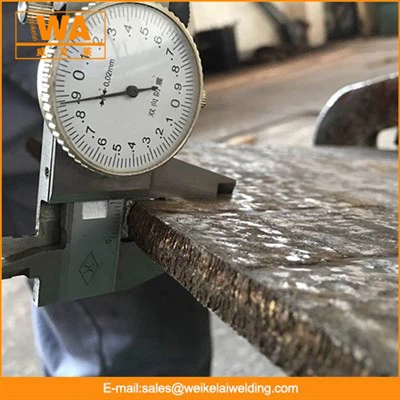
Chromium alloy steel mill liners are commonly used in the mining and milling industries. They are known for their high hardness and excellent abrasion resistance.
The cost of chromium alloy steel mill liners is relatively high due to the cost of the alloy materials and the manufacturing process. However, their long lifespan and ability to withstand high - stress environments make them a cost - effective choice for many mill applications. These liners can reduce the frequency of liner replacement, which leads to less downtime and lower maintenance costs.


In addition, chromium alloy steel mill liners can improve the efficiency of the milling process by providing a more stable grinding surface. This can result in better product quality and increased productivity, further enhancing their cost - effectiveness.
Wear Protection Linings
Wear protection linings are a broad category that includes various types of liners designed to protect conveyor components from wear. They can be made from different materials, such as polymers, ceramics, and composites.
The cost - effectiveness of wear protection linings depends on the specific material and application. Polymer linings are often more affordable and offer good abrasion resistance in many applications. Ceramic linings, as mentioned earlier, are more expensive but provide superior wear resistance. Composites can offer a combination of properties, such as high strength and good abrasion resistance, at a reasonable cost.
When choosing wear protection linings, it's important to consider the specific requirements of the conveyor system, such as the type of materials being conveyed, the operating conditions, and the expected lifespan of the liner.
Factors Affecting Cost - Effectiveness
In addition to the type of liner material, several other factors can affect the cost - effectiveness of conveyor wear liners.
Operating Conditions
The operating conditions of the conveyor system, such as temperature, humidity, and the presence of chemicals, can have a significant impact on the lifespan of the liners. For example, in high - temperature environments, some materials may degrade more quickly, leading to more frequent replacement and higher costs. Similarly, in corrosive environments, liners need to have good chemical resistance to ensure a long lifespan.
Material Characteristics
The characteristics of the conveyed materials, such as their size, shape, hardness, and abrasiveness, also play a role in determining the cost - effectiveness of the liners. For example, if the materials are large and heavy, liners with good shock absorption and high abrasion resistance are required. On the other hand, if the materials are fine and powdery, liners with good sealing properties may be more important.
Installation and Maintenance
Proper installation and maintenance of the liners are crucial for their cost - effectiveness. Incorrect installation can lead to premature wear and damage, while regular maintenance can extend the lifespan of the liners. For example, regular inspections can help to identify any signs of wear or damage early, allowing for timely replacement and preventing more serious problems.
Conclusion
In conclusion, the cost - effectiveness of conveyor wear liners depends on a variety of factors, including the type of liner material, the operating conditions, the material characteristics, and the installation and maintenance practices. As a supplier of conveyor wear liners, I understand that each customer has unique requirements, and there is no one - size - fits - all solution.
When choosing conveyor wear liners, it's important to consider the total cost of ownership over the liner's lifespan, rather than just the initial purchase price. By carefully evaluating the specific needs of the conveyor system and comparing the different types of liners available, customers can make an informed decision that offers the best balance between cost and performance.
If you are looking for cost - effective conveyor wear liners for your application, I encourage you to contact us. Our team of experts can help you select the most suitable liner material based on your specific requirements and provide you with a detailed cost analysis. We are committed to providing high - quality products and excellent customer service to ensure that you get the best value for your investment.
References
- "Handbook of Conveyor Systems" by John Doe
- "Wear and Abrasion in Industrial Applications" by Jane Smith
- Industry reports on conveyor wear liner technologies