In the industrial landscape, plant safety stands as a cornerstone for sustainable operations. One often-overlooked yet crucial component in ensuring this safety is chute wear liners. As a supplier of chute wear liners, I've witnessed firsthand how these seemingly simple components play a pivotal role in enhancing overall plant safety.


Understanding Chute Wear Liners
Chute wear liners are specialized materials installed inside chutes to protect them from the abrasive and erosive forces of the materials flowing through. Chutes are commonly used in various industries such as mining, cement, power generation, and food processing to transfer bulk materials from one point to another. Without proper wear protection, the constant impact and friction of these materials can cause significant damage to the chute walls over time.
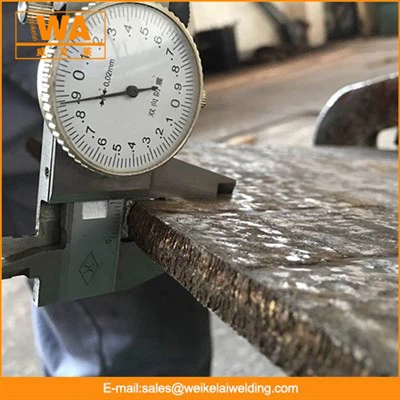
There are different types of chute wear liners available in the market, each designed to suit specific applications and operating conditions. For instance, Metallic Wear Liners are known for their high strength and durability, making them suitable for handling heavy and abrasive materials. On the other hand, non-metallic liners, such as rubber or ceramic liners, offer excellent resistance to corrosion and abrasion, and are often used in applications where noise reduction and anti-sticking properties are required.
Contribution to Plant Safety
1. Preventing Chute Failures
One of the primary ways chute wear liners contribute to plant safety is by preventing chute failures. When a chute is not properly lined, the continuous wear and tear from the flowing materials can lead to thinning of the chute walls, eventually causing leaks, cracks, or even complete structural failure. This can result in unexpected material spills, which pose a significant safety hazard to plant personnel.
For example, in a mining operation, a chute failure can lead to the release of large amounts of ore or waste material, which can bury workers, damage equipment, and disrupt the entire production process. By installing high-quality chute wear liners, the lifespan of the chute can be significantly extended, reducing the risk of such failures and ensuring the safe and efficient transfer of materials.
2. Reducing Dust Emissions
Another important aspect of plant safety is controlling dust emissions. When materials flow through unlined chutes, the impact and friction can generate a large amount of dust, which can be harmful to the health of workers if inhaled. Prolonged exposure to dust can cause respiratory problems such as silicosis, pneumoconiosis, and lung cancer.
Chute wear liners can help reduce dust emissions by providing a smooth and wear-resistant surface for the materials to flow over. This reduces the amount of dust generated during the transfer process. Additionally, some types of wear liners, such as rubber liners, have anti-static properties that can further prevent the build-up and dispersion of dust.
3. Minimizing Noise Pollution
In industrial plants, noise pollution is a common problem that can have a negative impact on the well-being of workers. The constant impact of materials on unlined chutes can generate high levels of noise, which can cause hearing loss and other health problems over time.
Chute wear liners can act as a noise barrier, absorbing and dampening the sound generated by the flowing materials. Rubber liners, in particular, are known for their excellent noise reduction properties. By reducing noise levels, wear liners create a more comfortable and safer working environment for plant personnel.
4. Improving Material Flow
Properly designed chute wear liners can also improve the flow of materials through the chute, which is essential for maintaining a safe and efficient production process. When materials do not flow smoothly through the chute, they can build up, causing blockages and backups. This can lead to overpressure in the chute, which can increase the risk of chute failures and material spills.
Wear liners with anti-sticking properties, such as ceramic or polymer liners, can prevent materials from adhering to the chute walls, ensuring a continuous and smooth flow. This not only improves the safety of the plant but also enhances the overall productivity by reducing downtime caused by blockages.
Choosing the Right Chute Wear Liners
Selecting the appropriate chute wear liners for a specific application is crucial to ensure maximum safety and performance. When choosing wear liners, several factors need to be considered, including the type of material being handled, the flow rate, the temperature, and the operating environment.
It is also important to choose a reliable supplier who can provide high-quality wear liners and offer technical support. At our company, we have a team of experts who can help customers select the most suitable wear liners for their specific needs. We offer a wide range of Chute Wear Liners and Wear Protection Linings that are designed to meet the highest standards of quality and performance.
Conclusion
In conclusion, chute wear liners are an essential component in ensuring the safety and efficiency of industrial plants. By preventing chute failures, reducing dust emissions, minimizing noise pollution, and improving material flow, they play a vital role in protecting the health and well-being of plant personnel and the environment.
As a supplier of chute wear liners, we are committed to providing our customers with the best products and services to meet their safety and performance requirements. If you are interested in learning more about our chute wear liners or need assistance in selecting the right liners for your application, please feel free to contact us. We look forward to the opportunity to work with you and contribute to the safety and success of your plant.
References
- "Industrial Chute Design and Operation" by Peter Wypych
- "Wear Protection in Bulk Material Handling" by John Doe
- "Safety Standards in Industrial Plants" by International Organization for Standardization (ISO)