Do wear liners need to be replaced regularly? That's a question I get asked a lot as a wear liners supplier. And let me tell you, it's not a simple yes or no answer. There are a bunch of factors that come into play when deciding whether to replace wear liners, and I'm gonna break it all down for you in this blog.
First off, what are wear liners anyway? Wear liners are basically protective materials that are used to line the inside of equipment like chutes, conveyors, and hoppers. Their main job is to reduce the wear and tear caused by the movement of materials, whether it's bulk solids, liquids, or even abrasive gases. They help extend the lifespan of the equipment and keep things running smoothly.
Let's start by looking at the reasons why regular replacement of wear liners might be a good idea. One of the most obvious reasons is wear and tear. Over time, the constant contact with materials can cause the liners to wear down. If you're dealing with abrasive materials like sand, gravel, or ore, the wear can be even more rapid. Once the liner has worn down to a certain point, it loses its ability to protect the equipment effectively. This can lead to increased damage to the underlying structure, which can be costly to repair.
Another reason is performance. As wear liners wear out, they can start to affect the performance of the equipment. For example, in a chute, a worn - out liner might cause the material flow to become uneven or even block the chute. This can slow down production and lead to inefficiencies. In a conveyor system, a damaged liner can cause the conveyor belt to wear out faster or cause the material to spill, which is not only a waste but can also create safety hazards.
Now, let's talk about some of the factors that can influence how often wear liners need to be replaced. The type of material being handled is a huge factor. Abrasive materials will obviously cause more wear than less abrasive ones. For instance, if you're handling crushed stone, you'll probably need to replace the liners more often than if you're handling something like grain.

The volume of material also matters. The more material that passes through the equipment, the more wear the liners will experience. High - volume operations will typically require more frequent liner replacements.
The operating conditions are also important. If the equipment is operating in a harsh environment, such as high temperatures or high humidity, it can accelerate the wear of the liners. For example, in a mining operation where the equipment is exposed to dust and moisture, the liners might need to be replaced more often.
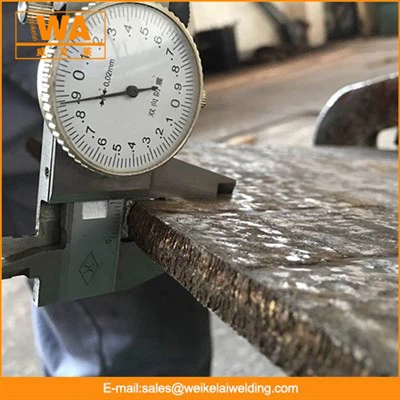
So, how do you know when it's time to replace the wear liners? Regular inspections are key. You should have a schedule in place to check the condition of the liners. Look for signs of wear, such as thinning, cracks, or holes. You can also use non - destructive testing methods, like ultrasonic testing, to measure the thickness of the liners and determine how much life they have left.
There are different types of wear liners available, each with its own lifespan and replacement requirements. For example, Chute Wear Liners are designed specifically for chutes and need to be able to withstand the impact and abrasion of materials falling through them. They might need to be replaced more often if the chute is used for high - volume or abrasive material handling.
Wear Protection Linings are more general - purpose and can be used in a variety of applications. Their replacement frequency will depend on the specific application and the factors I mentioned earlier.
Conveyor Wear Liners are used in conveyor systems and need to be able to handle the constant movement of the conveyor belt and the materials on it. Again, the replacement schedule will vary based on the type of material and the volume of material being conveyed.
In some cases, it might be possible to extend the life of the wear liners. You can do this by using proper maintenance procedures. For example, keeping the equipment clean can prevent the build - up of abrasive materials on the liners. Also, making sure that the equipment is properly aligned and balanced can reduce the stress on the liners.
However, there are also situations where it might not be necessary to replace the wear liners as often. If the equipment is used infrequently or if the material being handled is very gentle, the liners might last a long time. But even in these cases, it's still important to conduct regular inspections to make sure everything is in good condition.
So, to sum it up, in most cases, wear liners do need to be replaced regularly. But the exact frequency depends on a variety of factors. By understanding these factors and conducting regular inspections, you can determine the best replacement schedule for your specific situation.
If you're in the market for wear liners or have questions about their replacement, don't hesitate to reach out. We're here to help you find the right solutions for your equipment and ensure that your operations run smoothly and efficiently. Whether you need Chute Wear Liners, Wear Protection Linings, or Conveyor Wear Liners, we've got you covered. Contact us to start a discussion about your needs and let's work together to keep your equipment in top shape.
References
- "Wear and Tear in Industrial Equipment: Causes and Solutions" - Industrial Machinery Journal
- "Optimizing Material Handling with Wear Liners" - Bulk Solids Handling Magazine
- "Inspection and Maintenance of Wear Liners" - Equipment Maintenance Guide