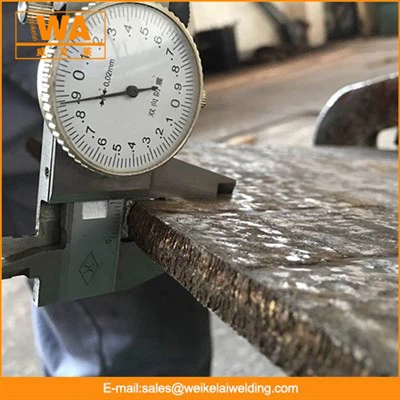
Do Wear Liners Affect the Performance of the Equipment?
As a seasoned supplier of wear liners, I've encountered numerous inquiries regarding the impact of wear liners on equipment performance. In this blog post, I aim to delve into this topic, exploring the various ways wear liners can influence the functionality, efficiency, and longevity of different types of equipment.
Understanding Wear Liners
Before we discuss their impact on equipment performance, let's first understand what wear liners are. Wear liners are protective materials installed inside equipment to safeguard it from abrasion, corrosion, and impact. They act as a sacrificial layer, taking the brunt of the wear and tear that would otherwise damage the underlying equipment.
Wear liners come in a wide range of materials, including rubber, polyurethane, ceramic, and various types of metals. Each material has its own unique properties and is suitable for different applications. For example, rubber liners are often used in applications where shock absorption and noise reduction are important, while ceramic liners are known for their exceptional hardness and resistance to abrasion.
Impact on Equipment Performance
1. Reduced Abrasion and Wear
One of the primary functions of wear liners is to protect equipment from abrasion. In industries such as mining, quarrying, and cement production, equipment is constantly exposed to abrasive materials such as rocks, sand, and gravel. Without proper protection, these materials can cause significant damage to the equipment, leading to premature wear and failure.
By installing wear liners, the abrasive materials come into contact with the liner instead of the equipment itself. This reduces the rate of wear on the equipment, extending its lifespan and reducing the need for frequent repairs and replacements. For example, in a conveyor system, Conveyor Wear Liners can prevent the conveyor belt from being worn down by the transported materials, ensuring smooth and efficient operation.
2. Improved Efficiency
Wear liners can also improve the efficiency of equipment. When equipment is protected from wear and damage, it can operate at its optimal performance level. For instance, in a chute system, Chute Wear Liners can reduce the friction between the chute walls and the flowing materials, allowing for a more consistent and faster flow. This not only increases the throughput of the system but also reduces the energy consumption required to move the materials.
In addition, wear liners can help to maintain the accuracy and precision of equipment. In a mill, for example, Chromium Alloy Steel Mill Liners can ensure that the grinding media is distributed evenly, resulting in a more efficient grinding process and better quality products.
3. Enhanced Safety
Another important aspect of wear liners is their contribution to safety. Worn-out equipment can pose a significant safety risk to operators and maintenance personnel. For example, a damaged conveyor belt can cause materials to spill, creating a tripping hazard. By using wear liners to protect equipment, the risk of such accidents can be greatly reduced.
Wear liners can also prevent the release of harmful substances. In industries where equipment is used to handle corrosive or toxic materials, wear liners can prevent the leakage of these substances, protecting the environment and the health of workers.
4. Cost Savings
Although the initial investment in wear liners may seem significant, they can actually result in substantial cost savings in the long run. By reducing the rate of wear on equipment, wear liners can extend the lifespan of the equipment, reducing the frequency of replacements. This not only saves on the cost of new equipment but also on the labor and downtime associated with installation.
In addition, wear liners can reduce the maintenance costs of equipment. Since the equipment is protected from wear and damage, there is less need for frequent inspections, repairs, and part replacements. This can result in significant savings in terms of labor, parts, and maintenance materials.
Factors to Consider When Choosing Wear Liners
When selecting wear liners for your equipment, there are several factors to consider. These include the type of equipment, the nature of the materials being handled, the operating conditions, and the budget.


1. Type of Equipment
Different types of equipment have different requirements for wear liners. For example, a conveyor system may require a different type of liner than a mill or a chute. It is important to choose a liner that is specifically designed for the equipment and its application.
2. Nature of the Materials
The type of materials being handled by the equipment also plays a crucial role in the selection of wear liners. Abrasive materials such as rocks and sand require liners with high abrasion resistance, while corrosive materials may require liners that are resistant to corrosion.
3. Operating Conditions
The operating conditions of the equipment, such as temperature, pressure, and humidity, can also affect the performance of the wear liners. For example, in high-temperature applications, liners that can withstand high temperatures are required.
4. Budget
Finally, the budget is an important consideration when choosing wear liners. While it is important to invest in high-quality liners that can provide long-term protection, it is also necessary to ensure that the cost is within the budget.
Conclusion
In conclusion, wear liners have a significant impact on the performance of equipment. They can reduce abrasion and wear, improve efficiency, enhance safety, and result in cost savings. By choosing the right wear liners for your equipment and application, you can ensure that your equipment operates at its optimal performance level and has a long lifespan.
If you are interested in learning more about our wear liners or would like to discuss your specific requirements, please feel free to contact us. We are committed to providing high-quality wear liners and excellent customer service to help you achieve the best performance from your equipment.
References
- "Wear Liners: A Guide to Selection and Application" by [Author's Name]
- "The Impact of Wear Liners on Equipment Performance" by [Author's Name]
- "Advances in Wear Liner Technology" by [Author's Name]